- LET'S PLAN YOUR SAFARI
- +256 200 921 002
- +256 793 194 703
- info@rwandagorillatrekkingtours.com

What Is Included in a Rwanda Gorilla Trekking Safari?
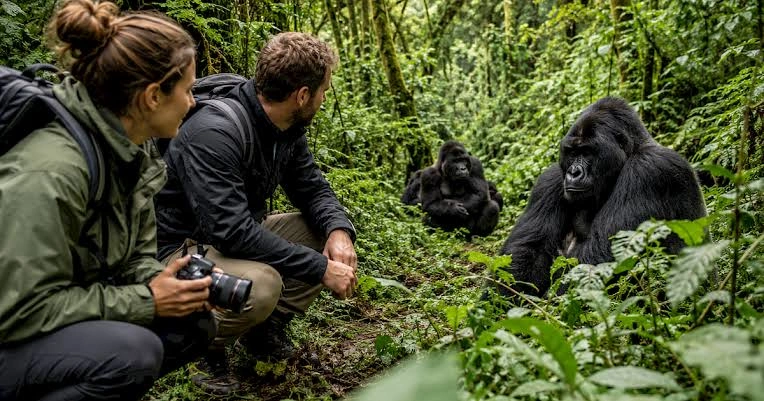
What Is Included in a Rwanda Gorilla Trekking Safari? You have found two Rwanda gorilla safaris that look almost identical, yet one costs hundreds of dollars more than the other. Which is the better deal? The answer usually lies in a short list on the quotation: what is included and what is not. Understanding that list is the single most useful skill a traveller can have when comparing gorilla safaris, because it protects your budget and your expectations.
This guide explains exactly what a Rwanda gorilla trekking safari normally includes, what the gorilla permit does and does not cover, which costs are usually excluded, how inclusions differ between budget, mid-range and luxury trips and how to read a quotation line by line. If you would like an itemised quotation that shows every inclusion clearly, Rwanda Gorilla Trekking Tours can prepare one for your dates.
The Short Answer: What Does a Gorilla Safari Price Usually Include?
Most Rwanda gorilla trekking safaris include five core things: the gorilla trekking permit, ground transport with a driver-guide, accommodation for the nights listed, meals as stated and guiding on the mountain by park rangers and trackers. Many also include airport pickup and drop-off in Kigali, bottled drinking water in the vehicle and a few extras such as a city tour or a cultural visit.
Most safaris exclude international flights, visa fees, travel insurance, tips, porter fees, drinks, laundry and personal items. The details vary by operator and by trip style, which is why two quotations can look so different. The safest habit is to ask for a written, itemised list of inclusions and exclusions before you pay a deposit. For a broad picture of how a trip is structured, see our complete guide to Rwanda gorilla trekking safaris.
What the Gorilla Trekking Permit Covers
The permit is the most important item and the largest single cost. In 2026, the published rate for foreign non-residents is USD 1,500 per person. Foreign residents in Rwanda and other African citizens pay a lower rate, reported at USD 500, and Rwandan and East African citizens pay a much lower rate, reported at about USD 200. A low-season discount of USD 1,050 has been reported for November to May, but it is linked to time in Akagera or Nyungwe National Park, so it applies only to eligible itineraries.
The permit generally covers your entry to Volcanoes National Park, the guided trek with park rangers and trackers, and one hour with a habituated gorilla family once you find them. Sources also note that permit revenue contributes to conservation and to community development around the park. What it does not cover is transport, lodging, meals, porters, tips or visas. About a dozen habituated gorilla families are open to visitors, and each can be visited by a maximum of eight people a day, which is why permits are limited. Tariffs can change, so confirm the current price before you pay.
Transport Included: From Kigali Airport to the Park and Back
Most packages include ground transport, and this is often the biggest difference between quotations. A typical inclusion is airport pickup in Kigali, the drive to the Musanze area, transfers to the park headquarters on trek day and the return to Kigali or the airport. The drive from Kigali to Musanze takes roughly two and a half to three hours by paved road, and lodges are often fifteen to thirty minutes from the park headquarters.
Check whether the vehicle is private or shared, what type it is and who drives. In a private package, you usually have a dedicated four-wheel drive or safari van with a driver-guide for the whole trip. In a shared package, you travel with other guests on a fixed schedule. Also ask whether fuel, parking and driver accommodation are included, and whether any extra transfers, such as a day trip to another park, cost more. If you want to see how a dedicated transfer service describes its arrangements, Pick and Transfer Safaris is one example to browse. If you are starting in the capital, our guide to Rwanda gorilla trekking tours from Kigali explains routes and timings.
The Driver-Guide: What Is Included and What Is Not
On most private and small-group safaris, an English-speaking driver-guide is included for the whole trip. He or she drives, handles park formalities, explains the landscape and culture and helps you adapt to weather and timing. Other languages may be available on request. On the mountain, the trek itself is led by park rangers and trackers who are part of the permit, not by your driver-guide.
Do not confuse the two. Your driver-guide accompanies you to the park headquarters and may wait for you, but the ranger guides lead the hike and the encounter. Tips for both are usually not included. If your budget quote lists a driver but not a guide, ask what that means, because a driver alone may not explain the sights. A clear description of the person who will be with you all week is a sign of a professional operator.
Accommodation Included: Nights, Rooms and Locations
Quotations should list the exact lodges, the number of nights, the room type and the meal plan. On a typical two day safari, one night near the park is included, and on longer trips you may also have nights in Kigali or a second park. Check whether the price is for a shared twin or double room and whether a single supplement applies if you are travelling alone.
Lodges near Volcanoes National Park range from simple guesthouses to some of the finest lodges in Africa. Luxury names include Wilderness Bisate Lodge, One&Only Gorilla’s Nest, Singita Kwitonda Lodge and Sabyinyo Silverback Lodge. In the mid-range, Five Volcanoes Boutique Hotel, Amakoro Songa Lodge, Mountain Gorilla View Lodge and Da Vinci Gorilla Lodge are often mentioned. Distance from the park headquarters matters, so ask exactly how far the lodge is. To see how tiers differ in price and comfort, read our comparison of budget vs luxury Rwanda gorilla safaris.
Meals and Drinks: What Is Usually Covered
Meal plans differ widely. Budget packages may include only breakfast, mid-range packages often include breakfast and dinner or full board near the park and luxury packages usually include all meals and sometimes selected drinks. On trek day, ask whether your lodge provides a packed breakfast or lunch, because you may leave early and return late. Bottled water is often provided in the vehicle, but soft drinks, beer, wine and spirits are commonly excluded unless a luxury lodge says otherwise.
Dietary needs should be raised at the time of booking. Vegetarian, vegan, gluten-free and allergy requirements can usually be managed at lodges with notice. If you are on a very tight budget, ask whether meals in Kigali are included or whether you should budget for them separately. A clear meal plan removes a common source of confusion when the final bill arrives.
What Is Usually Not Included in a Gorilla Safari Price
Exclusions are just as important as inclusions, because they are where surprises hide. The most common exclusions are international flights, visa fees, travel and medical insurance, tips for guides, rangers, trackers and porters, porter fees, drinks, laundry, phone and internet charges and personal items such as souvenirs. Optional activities that are not listed in the itinerary, such as golden monkey tracking or a volcano hike, are also normally extra.
The table below summarises what typically falls on each side of the line.
| Usually included | Usually excluded |
|---|---|
| Gorilla trekking permit for your date | International and regional flights |
| Airport pickup and drop-off in Kigali | Visa fees and e-visa charges |
| Ground transport with driver-guide | Travel and medical insurance |
| Accommodation on the nights listed | Tips for guides, rangers and trackers |
| Meals as stated in the itinerary | Porter fees, unless stated |
| Park entry for listed activities | Alcohol, soft drinks and laundry |
| Bottled water in the vehicle | Optional activities and souvenirs |
If an operator does not offer a written list like this, ask for one. If you want to compare two quotations, place them side by side, and make sure that each line item appears in both. For a worked example of how a full package is put together, see our guide to Rwanda gorilla safari packages.
Porters, Tips and Small Costs You Should Budget For
Porters are one of the best-value additions to a gorilla trek. They carry your daypack, help you on steep or slippery sections and support a local family. Porter fees are reported at about USD 15 to 20, and many visitors also give a gratuity. Rangers, trackers and guides work hard to find the gorillas and keep everyone safe, and tipping them is customary, though the amount is up to you.
Ask your operator for guidance on suitable amounts and carry small notes in local currency or US dollars in good condition. Also remember smaller costs that are rarely included: bottled water beyond what the vehicle provides, snacks, souvenirs, laundry and extra drinks at the lodge. These items are small individually, but together they can add up to a meaningful sum, so include a buffer in your budget.
Visa, Insurance and Flights: The Big Items Outside the Price
Flights are almost never included in a ground package, so budget for them separately and book them after your permit is confirmed. Visas are also usually excluded. According to official tourism information, citizens of all countries can obtain a visa on arrival, with the fee capped at USD 50 for a single entry, and you can also apply for an e-visa online. Citizens of African Union, Commonwealth and La Francophonie member states can receive a free 30-day visa on arrival, and East African Community citizens receive free entry for up to six months.
Travel and medical insurance is your responsibility, and it matters because gorilla trekking involves hiking at altitude and permits are non-transferable and usually non-refundable. Choose a policy that covers trip changes and hiking, and keep digital copies of your documents. Health requirements, including any yellow fever vaccination certificate, can depend on your nationality and route, so check current guidance with your doctor and the official immigration website. If this is your first safari, our guide for first-time gorilla trekkers walks through these steps in order.
Optional Extras: Golden Monkeys, Dian Fossey and Other Activities
Extras are the most common source of price differences between quotations. Golden monkey tracking is listed at up to about USD 100 for foreign non-residents, the Dian Fossey tomb hike at about USD 75, and the Mount Bisoke hike, with its crater lake, at about USD 75. The two day climb of Mount Karisimbi is listed at about USD 400. Tariffs change, so confirm current figures. Some packages include one of these activities, while others list them as optional.
Other extras include visits to the Musanze caves, the Twin Lakes, Buhanga Eco-Park and the Iby’Iwacu Cultural Village, a Kigali city tour and time at Lake Kivu. If you add another park such as Akagera or Nyungwe, ask whether park entry fees, game drives, boat trips, chimpanzee tracking and guides are included. Each addition changes the total, so ask your operator to show the effect of each option separately.
What Is Included on a 1 or 2 Day Gorilla Safari?
Short trips have shorter lists. A two day safari usually includes the permit, airport pickup, transport, one night in a lodge near the park, meals as stated and the driver-guide. See our overview of short Rwanda gorilla safaris for a full comparison of two to five day plans. A one day trip usually includes the permit, a private or shared vehicle, a driver-guide, bottled water and sometimes a packed breakfast or lunch, but no lodging, because you sleep in Kigali before and after.
Because a one day trek is long, ask about timing and buffers, and avoid booking an evening flight on the same day. If you are considering it, read whether a 1-day Rwanda gorilla trekking tour is possible and what it demands. Whichever length you choose, make sure the quotation states the pickup time, the lodge and what happens if the trek runs long.
How Inclusions Differ: Budget, Mid-Range and Luxury Safaris
The permit is the same for everyone, but the rest of the list changes with the tier. The table below shows typical differences.
| Item | Budget | Mid-range | Luxury |
|---|---|---|---|
| Accommodation | Simple guesthouse or hotel | Comfortable lodge | Top-tier lodge or villa |
| Meals | Breakfast only, often | Breakfast and dinner or full board | Full board, sometimes drinks |
| Transport | Shared or public | Private with driver-guide | Private premium vehicle, optional helicopter |
| Activities | Trek only | One or two extras | Several extras, private guides |
| Extras like laundry | Paid separately | Sometimes included | Often included |
Third-party guides commonly cite budget rooms near the park at roughly USD 50 to 120 per night, mid-range lodges at around USD 200 to 350 and luxury lodges at well over USD 1,000, often including meals and activities. These are rough guides, not quotations, and rates vary by season. The important lesson is to compare tiers fairly.
Private vs Small Group vs Shared: What Changes in the Inclusions
Inclusions change with the type of trip. A private safari includes a dedicated vehicle and driver-guide and gives you full control over the schedule, as we explain in our guide to private Rwanda gorilla trekking tours. A small group safari splits the cost of the vehicle and guide among several travellers, which lowers the price per person, and our page on small group Rwanda gorilla safaris shows how group size works on the mountain.
On the mountain itself, the arrangement is identical. Each gorilla family accepts a maximum of eight visitors a day, and you spend one hour with the gorillas. The difference is everything around the trek. Ask whether your vehicle is shared, whether your lodge room is shared and whether the guide is shared with other groups. These details often explain price gaps between offers that look similar.
What Is Included in Cross-Border Rwanda and Uganda Trips?
Some travellers combine Rwanda and Uganda. A cross-border package should state clearly which permits are included, how the border is crossed, what the vehicle arrangements are and where you sleep on each side. Each country requires its own permit and has its own price and rules, and extra time should be allowed for border formalities. If you fly into Kigali and out of Entebbe, this guide on beginning a tour from Kigali airport and ending in Entebbe explains how such a route can work.
If your route includes the Kisoro area, the page on Ikoro Hotel in Kisoro shows one accommodation option, and the article on what to do after a gorilla tour in Bwindi helps with the days that follow. You can also browse Pick and Transfer Safaris for wider ideas about transfers and safari planning across the region. Always confirm that both permits are included in a combined price.
How to Read a Gorilla Safari Quotation Line by Line
A good quotation is itemised. It should show the dates, the number of travellers, the permit for each traveller, each night of accommodation with the lodge and room type, the vehicle and driver-guide, the meal plan, the activities and a clear list of exclusions. It should also state the total price, the deposit, the balance due date and the cancellation terms. If any of these are missing, ask for them in writing.
When you compare two quotations, check five things in this order. First, confirm that both include the permit for every traveller. Second, compare the lodges by name and distance from the park. Third, compare the transport, including whether it is private or shared. Fourth, compare the meals and activities. Fifth, compare the exclusions, especially tips, porters and drinks. A comparison based on these five steps almost always explains why one price is higher than another.
Hidden Costs and Surcharges to Watch For
Some costs are easy to overlook. A single supplement may apply if you are travelling alone and want your own room. Peak-season rates can raise lodging prices in the dry months of June to September and December to February. Some operators charge extra for airport pickups outside certain hours, for long transfers to a second park or for fuel on longer routes. Card payments may include a processing fee, and bank transfers can carry charges from your bank.
Also look for currency issues. If a quotation is in US dollars but your payment is in another currency, exchange rates and fees can change your final cost. Ask when the exchange rate is fixed and whether the price is guaranteed once you pay the deposit. A reliable operator explains these points clearly, and an unclear answer is a reason to ask more questions. To see how a mid-range trip compares with a luxury one, read our comparison of budget and luxury gorilla safaris.
Questions to Ask Before You Pay a Deposit
A short list of questions can protect you. Who secures the permit, and in whose name is it issued? Which lodges are confirmed, and how far are they from the park headquarters? Is the vehicle private or shared, and who is the driver-guide? What meals are included, and are drinks or laundry covered? Are porters, tips and optional activities included, or do I pay for them locally?
Also ask what happens if your flight is delayed, if you are ill on trek day or if you need to change dates. Ask about payment methods, receipts and the refund policy, and keep every confirmation in writing. A trustworthy operator answers these questions quickly and does not mind if you take a few days to decide. You can send your questions to our team and see how helpful the reply is.
Red Flags in Gorilla Safari Offers
Be careful with offers that seem too good to be true. Gorilla permits have a fixed published price, so a package that promises a full trek at a price below the permit cost is a warning sign. Other red flags include operators who cannot show a physical address or contact details, who cannot name the lodges, who ask for full payment through unofficial channels or who pressure you to pay immediately.
Vague inclusions are another warning. If a quotation says only “all-inclusive” without listing what that means, ask for details. Read recent reviews, ask for references and confirm that the company is properly registered. Looking at how other operators present their lodging, such as the Ikoro Hotel page in Kisoro, also helps you judge how much detail a good listing should give. A legitimate operator has clear terms, a professional website and responsive staff, and it welcomes questions about what is included.
Booking Steps and Payment Terms
The booking sequence protects you from costly mistakes. Choose your dates and trip style, then contact your operator with the full name of each traveller as it appears on the passport. The operator secures the permit first, then confirms lodging and transport. Once the permit is confirmed, book your flights. Permits are non-transferable and usually non-refundable once issued, so double-check names and dates.
Payment terms vary. Many operators ask for a deposit to secure the permit and lodges, with the balance due before arrival, but conditions differ, so confirm them in writing. Keep receipts, and use official payment channels only. If your route includes Uganda, this article on what to do after a gorilla tour in Bwindi is a useful resource for planning the days that follow a Ugandan trek.
A Sample Inclusions Checklist You Can Copy
Before you pay, tick each item on this list and make sure it appears in writing. Permit for each traveller and date. Airport pickup and drop-off. Vehicle type and whether it is private or shared. Driver-guide and languages. Lodge names, nights and room type. Meals, including trek-day packed meals. Bottled water. Park entry for listed activities. Porters and tips. Optional activities and their prices. Visa, flights and insurance. Deposit, balance and cancellation terms.
Save this checklist and use it with every operator, so that you compare like with like. If you would like a printable version tailored to your dates, ask Rwanda Gorilla Trekking Tours. For a full overview of what a trip involves from start to finish, our complete guide to Rwanda gorilla trekking safaris is a good companion. If your route crosses the border, the page on Ikoro Hotel in Kisoro shows one kind of stay in the border area.
Common Mistakes When Comparing What Is Included
The most common mistake is comparing totals without comparing inclusions. A lower price may leave out the permit, transfers or park fees, while a higher price may include better lodges, meals and activities. Another mistake is forgetting porter fees, tips and visas, which can add up. Others include booking flights before securing a permit, assuming that a private tour means a private trek and forgetting that children under fifteen cannot trek.
Avoid these problems by using the checklist above, asking for an itemised quotation and getting advice from an experienced operator. If you plan to see gorillas in Uganda too, the resources at Pick and Transfer Safaris can help you think through the transfers there, and this guide on flying into Kigali and out of Entebbe explains how an open-jaw route can work.
Why Book Your Gorilla Safari with a Local Team?
A local team knows what should be included and what should not, because it deals with lodges, drivers and parks every day. It secures your permit, reserves lodging near the park, schedules transfers so that you arrive rested and adjusts the plan if anything changes. It also gives you a clear, itemised quotation so that you always know what you are paying for.
At Rwanda Gorilla Trekking Tours, we are happy to walk you through every line of a quotation and explain what each item means. If you would like to see how packages are put together, our guide to Rwanda gorilla safari packages shows typical structures, and you can send your dates through our website for a personal plan.
Frequently Asked Questions About What Is Included in a Rwanda Gorilla Safari
Does the gorilla permit include lodging or meals?
No. The permit covers park entry and the guided trek, but not accommodation, meals, transport, porters, tips or visas. Those are usually part of the safari package.
Are tips included in the price?
Usually not. Tips for guides, rangers, trackers and porters are normally paid separately, and your operator can advise on suitable amounts.
Are flights and visas included?
Almost never. International flights, visa fees and travel insurance are normally excluded from ground packages, so budget for them separately.
Is a porter included?
Sometimes, but often not. Porter fees are reported at about USD 15 to 20, so check whether they are included or paid locally.
What is the cheapest thing that can be included?
The permit is fixed at USD 1,500 for foreign non-residents on the standard published rate, so the savings come from lodging, transport and extras. Ask for a written quotation to see the exact breakdown.
Are Uganda and Rwanda permits included together?
Only if the package says so. Each country requires its own permit, so confirm that both are listed if your trip crosses the border.
Know Exactly What You Are Paying For
Knowing what is included in a Rwanda gorilla trekking safari turns a confusing comparison into a clear decision. Ask for an itemised quotation, check the permit, the lodging, the transport, the meals and the exclusions and keep a buffer for tips, porters and small costs. With that knowledge, you can choose the safari that fits your budget without surprises and focus on the hour that matters most: the one you spend with the gorillas.
Ready to compare? Send your travel dates, group size and preferred style to Rwanda Gorilla Trekking Tours, and we will prepare a clear, itemised quotation and help you secure your permit. Permits are limited every day, so the sooner you plan, the better your chance of getting the date you want. The gorillas are waiting.