- LET'S PLAN YOUR SAFARI
- +256 200 921 002
- +256 793 194 703
- info@rwandagorillatrekkingtours.com

Budget vs Luxury Rwanda Gorilla Safaris
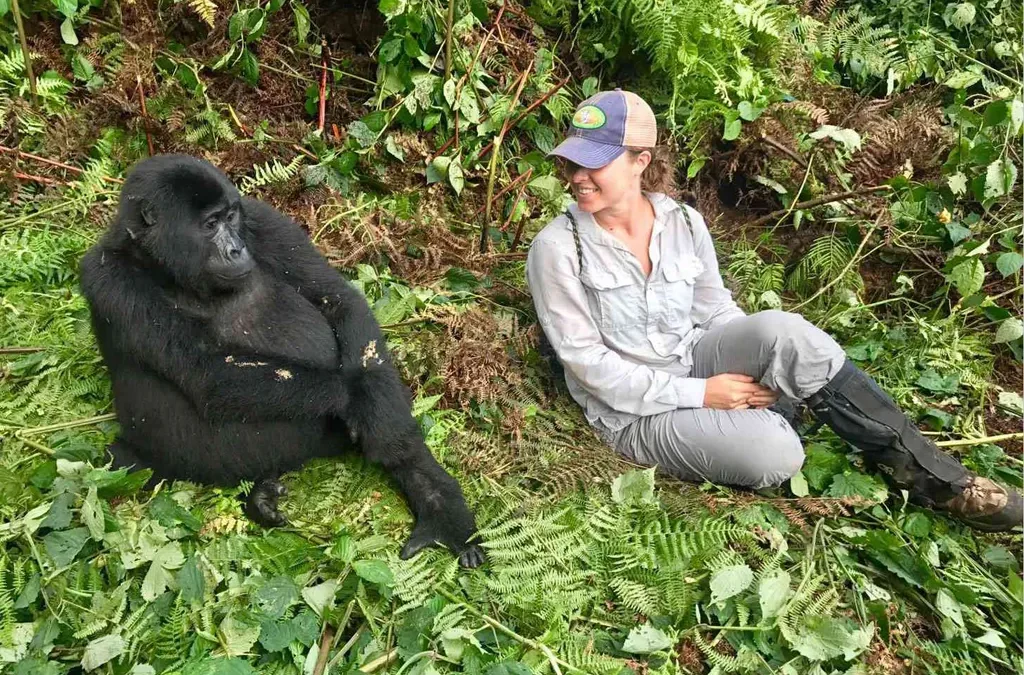
Budget vs Luxury Rwanda Gorilla Safaris. Every traveller who plans a gorilla trek in Rwanda faces the same decision sooner or later: should you keep costs low and save for the permit, or treat yourself to one of Africa’s most beautiful lodges? Both styles lead to the same magical hour with the gorillas, and both can be rewarding. What changes is everything around that hour: where you sleep, how you travel, what you eat and how much energy you have when the trek begins.
This guide compares budget and luxury Rwanda gorilla safaris in plain terms and in detail. You will see what each style includes, how much extra you should expect to pay, what you gain and give up at each level and why many travellers find the mid-range the best value. If you would like a quotation for any of the three, Rwanda Gorilla Trekking Tours can prepare options side by side so that you can compare them clearly.
The Quick Answer: Budget or Luxury?
Choose a budget safari if your priority is seeing the gorillas at the lowest possible total cost, you are comfortable with simple accommodation and you are happy to be flexible. Choose a luxury safari if this is a special occasion, if comfort, privacy and service matter to you or if you want to recover in style after a demanding trek. Choose a mid-range safari if you want comfort without the very high prices, which is what most travellers do, and our team can quote all three for the same dates.
Whichever you choose, remember the most important point: the gorilla permit costs the same for everyone. That means even the cheapest safari is a premium trip, and the difference between budget and luxury comes from lodging, transport and extras, not from the encounter itself.
The One Cost That Never Changes: The Gorilla Permit
The permit is set by the authorities and does not vary by lodge or operator. The published rate for foreign non-residents is USD 1,500 per person. Foreign residents in Rwanda and other African citizens pay a lower rate, reported at USD 500, and Rwandan and East African citizens pay a much lower rate, reported at about USD 200. A low-season discount of USD 1,050 has been reported for November to May, but it is linked to time in Akagera or Nyungwe National Park, so it does not automatically apply to every itinerary.
This fixed cost is why a truly cheap gorilla safari does not exist. Any offer that promises a full trek at a price below the permit fee is a red flag. On a two or three day trip, the permit can make up more than half of the total cost in a budget safari, while on a luxury safari the lodge becomes the largest cost. Tariffs change, so confirm the current price before you pay.
What Does Budget Really Mean in Rwanda?
A budget Rwanda gorilla safari usually means simple guesthouses or basic hotels in Musanze or Kinigi, shared or public transport, fewer meals included and few extras. It is not unsafe or unprofessional, but it is basic. Rooms may be small, hot water may be limited, meals may be simple and service is friendly but informal. You may need to organise more of the small details yourself.
Budget does not mean careless. Good budget operators still secure your permit, confirm a clean guesthouse, arrange a reliable driver or a clear transport plan and brief you before the trek. The savings come from choosing simplicity, not from cutting safety or conservation rules. To see what a budget plan could look like for your dates, ask our team for a quotation.
What Does Luxury Really Mean in Rwanda?
A luxury Rwanda gorilla safari usually means a top-tier lodge with dramatic views, spacious suites or villas, fine dining, attentive staff and often a private vehicle and guide. Many luxury lodges sit a short drive from the park headquarters, so your morning is relaxed, and they offer fireplaces, gardens and extras that make the evenings as memorable as the trek. Transfers may include a helicopter option for those who want to save time.
Luxury also means privacy and flexibility. With a private guide and vehicle, you decide when to leave, where to stop and how to pace the day. Meals are usually included and are often excellent, and small touches such as warm blankets, hot water bottles and a hot bath after a muddy trek can make a real difference. It is the best choice for honeymoons, milestone birthdays and anyone who wants the trip to feel effortless.
Budget vs Luxury Rwanda Gorilla Safaris: Side-by-Side Comparison
This table summarises the main differences between the three styles.
| Feature | Budget | Mid-range | Luxury |
|---|---|---|---|
| Gorilla permit | Same price | Same price | Same price |
| Accommodation | Simple guesthouse or hotel | Comfortable lodge | Top-tier lodge or villa |
| Distance to park | Often 10 to 15 km or more | Usually 15 to 30 minutes | Usually close to the park |
| Transport | Shared or public | Private with driver-guide | Private, often premium 4×4 |
| Meals | Often not included | Breakfast or full board | Full board |
| Extras | Few | One or two activities | Many, including private guides |
| Comfort after the trek | Basic | Good | Excellent |
| Best for | Solo and backpackers | Most travellers | Honeymoons and special trips |
Notice that the first row is identical. Everything else is a choice about comfort, convenience and how you want to spend your days before and after the trek.
How Much More Does Luxury Cost? Indicative Ranges
Prices vary by season and by lodge, and published figures differ between sources, so treat the following as rough guides and not quotations. Third-party travel guides commonly cite budget rooms near the park at roughly USD 50 to 120 per night, mid-range lodges at around USD 200 to 350 per night and luxury lodges at well over USD 1,000 per night, often quoted per villa or per person and usually including meals and activities. Private vehicles with a driver-guide are commonly quoted at a few hundred dollars a day, and helicopter transfers can cost several thousand dollars per person round trip.
These numbers show why lodge choice changes the total more than any other factor. On a two night trip, moving from a budget guesthouse to a top-tier luxury lodge can add several thousand dollars to your bill. Always ask for a written quotation that lists the lodge, the room type, the meals and the transport, and confirm current prices before you commit. To receive a personal breakdown, contact Rwanda Gorilla Trekking Tours.
Budget Rwanda Gorilla Safari: Where You Stay
Budget travellers usually sleep in Musanze, the town formerly known as Ruhengeri, or in the village of Kinigi near the park headquarters. Guesthouses and simple hotels that appear often in travel guides include Kinigi Guesthouse, Villa Gorilla, Gorilla Solution Lodge, Faraja Hotel, La Palme Hotel, Hotel Muhabura, Best View Hotel and Garden Place Hotel. Distances to the park vary from a short walk to more than ten kilometres, so ask exactly how far your lodging is from the headquarters before you book.
The closer you are to the park, the easier your morning will be, and it is worth paying a little more for a place near Kinigi if your budget allows. Standards and details change over time, so check recent reviews and confirm what is included, such as breakfast, hot water and Wi-Fi. A clean bed, a hot shower and an early breakfast are the essentials for trek day, and they are available at the budget level if you choose carefully.
Budget Rwanda Gorilla Safari: How You Travel
Transport is where budget travellers save the most. Public buses run between Kigali and Musanze, and shared minibuses and motorbike taxis can take you around town and to the park area. Some operators also offer shared vehicles that split the cost among several travellers. The journey from Kigali to Musanze takes roughly two and a half to three hours by road, and public transport can take longer because of stops.
The main trade-off is time and predictability. On trek day, you must reach the park headquarters in Kinigi for the early morning briefing, and public transport may not run early enough or may leave you with no reliable ride back. Many budget travellers therefore pay for a private transfer or a shared safari vehicle just for the trek day, which is a sensible use of money. If you would like advice on the safest low-cost transport plan, ask Rwanda Gorilla Trekking Tours.
A Sample 2 Day Budget Rwanda Gorilla Safari
Day one. You travel from Kigali to Musanze by bus or shared vehicle in the morning, check in at a simple guesthouse near Kinigi, have a light lunch, walk around the village and go to bed early. You pack your daypack with water, snacks, a rain jacket and gloves and confirm your transport for the next morning.
Day two. You wake at dawn, eat breakfast, arrive at the park headquarters for the briefing at about seven o’clock and trek to your gorilla family with your guide and trackers. After your hour with the gorillas, you hike back, celebrate at the headquarters and return to your guesthouse for lunch. In the afternoon, you travel back to Kigali, allowing plenty of time before any onward flight.
Ways to Save Money Without Spoiling the Experience
Smart planning can lower your total cost without harming the trek. Book early to get the dates you want and the best rates on lodging. Travel in a group of three or four and share the cost of a vehicle and guide. Consider the shoulder or low seasons, when lodging is often cheaper and permits are easier to find, and ask about the reported low-season permit discount for eligible itineraries from November to May. Skip optional extras that do not matter to you.
Bring your own snacks and refillable water bottle, pack rain gear and gloves so you do not need to buy them locally and choose a lodge with breakfast included. On the other hand, do not save money in ways that affect your safety or the trek, such as skipping waterproof boots, avoiding a porter when you would benefit or choosing unreliable transport on trek day. A few well-spent dollars can protect a very expensive permit.
The Pros and Cons of a Budget Gorilla Safari
Pros. The total cost is lower, the experience is simple and authentic, and you meet local people and other independent travellers. You still enjoy exactly the same gorilla encounter as any other visitor, and the money you save can go toward a longer stay or another activity. Budget travel can also put more of your spending directly into local hands.
Cons. Comfort is limited, and the logistics take more effort. You may face longer travel times, an earlier start on trek day and less flexibility if something changes. If the trek is long and muddy, returning to a basic room with limited hot water is less restful than a luxury lodge. If you are travelling with children, older relatives or anyone who needs comfort, budget may not be the best choice.
The Sweet Spot: Mid-Range Rwanda Gorilla Safaris
For many travellers, mid-range is the best value. Comfortable lodges near the park, private transport with a driver-guide and meals included give you most of the benefits of a luxury trip at a fraction of the price. Properties often mentioned in this category include Five Volcanoes Boutique Hotel, Amakoro Songa Lodge, Mountain Gorilla View Lodge, Da Vinci Gorilla Lodge, Lebambou Gorilla Lodge and Tiloreza Eco Lodge, and many are around fifteen to thirty minutes from the park headquarters.
Guides often quote mid-range rooms in the region of USD 200 to 350 per night, though rates vary by season. At this level, you can expect warm rooms, good food, helpful staff and enough time to rest. It is an excellent choice for couples, families and small groups, and it is the tier that Rwanda Gorilla Trekking Tours is most often asked to arrange.
Combining Budget and Luxury: The Split-Stay Approach
You do not have to choose one style for the whole trip. A popular strategy is to mix them. For example, you might stay in a comfortable mid-range lodge near the park on the night before your trek, so that your morning is easy, and then use a simpler hotel in Kigali before and after. Or you might splurge on one night at a luxury lodge to celebrate after the trek and stay in budget accommodation for the rest of your journey.
This approach lets you invest where it matters most. Sleeping close to the park before the trek is usually the best place to spend, because it reduces your morning stress and helps you arrive rested. Spending less in Kigali, where you may only need a clean, safe bed, saves money without affecting the gorilla experience.
Luxury Rwanda Gorilla Safari: The Lodges
Volcanoes National Park is home to some of the most admired lodges in Africa. Wilderness Bisate Lodge is described as an award-winning eco-chic retreat with forest villas in a volcanic landscape. One&Only Gorilla’s Nest offers freestanding cottages suspended above gardens, with local art and seasonal cuisine. Singita Kwitonda Lodge is known for eco-conscious design, volcanic-stone pathways and plant-based dining, and Sabyinyo Silverback Lodge has stone cottages with fireplaces and private verandas overlooking the volcanoes. Volcanoes Virunga Lodge is a ridge-perched sanctuary at about 2,300 metres with lake views.
These lodges emphasise design, views, conservation and personal service, and many invest in the communities around them. Rates are high and vary by season, and guides commonly quote well over USD 1,000 per night for the top properties, usually including meals and activities. Rooms are limited, so book early, especially for the dry season. Lodge details and standards change, so confirm current information before you decide.
Luxury Rwanda Gorilla Safari: Transport and Guiding
Luxury safaris typically use private vehicles, often premium four-wheel drives, with an experienced driver-guide who stays with you throughout the trip. You control the schedule, choose your photo stops and travel at your own pace. Many operators also arrange private guiding for other activities, such as village visits or Kigali city tours, so that you are never part of a crowd.
For those who want to save road time, helicopter transfers are offered in Rwanda by operators such as Akagera Aviation, which lists charters and seats on scheduled flights, and some safari companies advertise helicopter transfers between Kigali and Volcanoes National Park. Third-party guides often quote such transfers at several thousand dollars per person round trip, though prices and availability depend on weather and demand, so ask for a written quote. The trek itself is still on foot, but arriving by air can make the day feel effortless.
A Sample 4 Day Luxury Rwanda Gorilla Safari
Day one: Arrival in Kigali. You are met at the airport by your private driver-guide and transferred to a boutique hotel. After a rest, you enjoy a private tour of Kigali, including the Kigali Genocide Memorial and a visit to a local craft market or coffee shop, followed by dinner at a well-regarded restaurant.
Day two: Kigali to your luxury lodge. You travel by private vehicle, or by helicopter if you have chosen that upgrade, to a lodge near Volcanoes National Park. After a leisurely lunch, you relax in your villa, take a garden walk or enjoy a spa treatment if the lodge offers it, then have a candlelit dinner and an early night.
Day three: Gorilla trekking. You have breakfast at dawn, drive a short distance to the park headquarters and trek to your gorilla family with your guide. After your hour with the gorillas, you return to the lodge for a hot bath, a long lunch and a slow afternoon, perhaps with a massage or simply a book by the fireplace.
Day four: Return. After breakfast, you can add a golden monkey trek or a visit to a community project before returning to Kigali by road or air. The pace is unhurried, and each day has room to breathe. If you would like a luxury plan like this built around your dates, talk to our team.
The Pros and Cons of a Luxury Gorilla Safari
Pros. Comfort, privacy and service are outstanding. You recover quickly after the trek, sleep well before it and enjoy the scenery from your villa. Lodge locations reduce your morning transfer, and private guides and vehicles remove logistics from your mind. It is ideal for honeymoons, anniversaries, family celebrations and travellers who want the trip to feel special from start to finish.
Cons. The cost is much higher, and the extra money does not improve the gorilla encounter itself, which is the same for every visitor. Luxury lodges can also feel removed from everyday Rwandan life unless you make time for cultural experiences. If your priority is the gorillas and your budget is tight, the money may be better spent on a longer trip or a second park.
Who Should Choose Which? A Simple Decision Guide
Choose budget if you are a solo traveller, a student or a backpacker who is comfortable with simple accommodation and flexible plans, and if the permit already uses much of your budget. Choose mid-range if you are a couple, a family or a small group who want comfort and reliable service without extreme prices. Choose luxury if you are celebrating, if you value privacy and design or if you want to combine gorillas with a very relaxed, high-end holiday.
Also think about your fitness and age. Older travellers and those with health concerns benefit from comfortable lodges, private transport and a rested morning. Younger, energetic travellers may prefer to spend less on the lodge and more on additional experiences. If you are unsure, send your questions to Rwanda Gorilla Trekking Tours, and we will help you decide.
What Does Not Change Between Budget and Luxury
Several things are the same for every visitor. The permit price is identical. The trek is led by park rangers and trackers, so the quality of the guiding on the mountain does not depend on your lodge. You are assigned to a gorilla family at the morning briefing, and you spend the same hour with the animals. The rules, such as the minimum age of fifteen, the safe distance of about seven metres and the ban on flash photography, apply to everyone.
Seeing this clearly can be freeing. The most important part of a gorilla safari does not depend on your budget, so you can spend as much or as little as suits you and still have an extraordinary experience. If you spend less, you lose comfort and convenience, but not the gorillas.
Extending Your Safari: Budget and Luxury Add-Ons
You can extend a safari at any budget. Golden monkey tracking is listed at up to about USD 100 for foreign non-residents, the Dian Fossey tomb hike at about USD 75 and the Mount Bisoke hike at about USD 75, while the Mount Karisimbi climb is listed at about USD 400. Tariffs change, so confirm current prices. Other affordable extras include village visits, the Musanze caves and the Twin Lakes. Luxury travellers may add Akagera game drives, a Nyungwe chimpanzee trek or time at Lake Kivu.
If your journey includes Uganda, this guide on beginning a tour from Kigali airport and ending in Entebbe explains how an open-jaw route can work. For the border area, the page on Ikoro Hotel in Kisoro shows one accommodation option, and the article on what to do after a gorilla tour in Bwindi helps with the days that follow. You can also browse Pick and Transfer Safaris for regional transfer ideas.
Budget vs Luxury for Couples, Families, Solo Travellers and Groups
Couples. Couples often choose mid-range or luxury for at least one night, because a special lodge turns a trek into a memory. If you are celebrating a honeymoon or an anniversary, a split stay works well: a luxury lodge near the park, and a simpler hotel in Kigali. Tell your operator early so that the lodge can prepare a welcome and the schedule leaves room to relax. Ask us for a couples plan that fits your budget.
Families. The minimum age for gorilla trekking is fifteen, so families with younger children need activities for those who stay behind. Comfortable mid-range lodges with family rooms, flexible meal times and short drives are usually the best fit. Luxury lodges can be wonderful for families if the budget allows, while budget guesthouses may lack the space and services that children need.
Solo travellers. Solo visitors often find luxury lodges expensive because single supplements apply, and private vehicles cost more per person when the cost cannot be shared. Budget or mid-range with shared transport is usually the most efficient choice, and joining a small group can lower costs further.
Groups and colleagues. Groups of three to six can share the cost of a private vehicle and guide, which makes mid-range and even luxury more affordable per person. Because each gorilla family accepts only eight visitors a day, larger groups need to book early so that everyone can trek together. To organise a group, contact our team with your numbers and dates.
Rwanda or Uganda: Which Is Cheaper for a Budget Gorilla Safari?
Travellers on a tight budget often ask whether Uganda might be cheaper. The published Ugandan permit has been lower than Rwanda’s, at around USD 800 in the high season and USD 600 in the low-season months of April, May and November, according to figures reported in 2026, but it changes and you should confirm the current price. Uganda’s roads to the gorilla parks are longer, so transport and time add to the cost, while Rwanda’s short drives can save money on fuel, lodging and days.
Many travellers do both. If you fly into Kigali and out of Entebbe, this guide on beginning a tour from Kigali airport and ending in Entebbe explains how such a route can work. For an overnight in the border town of Kisoro, the page on Ikoro Hotel in Kisoro shows one accommodation option, and the article on what to do after a gorilla tour in Bwindi is useful for the days after a Ugandan trek. Each country requires its own permit and has its own rules.
Best Time to Go: Does Season Change the Budget vs Luxury Choice?
Season affects both comfort and price. The dry seasons, generally June to September and December to February, are the most popular for gorilla trekking, because trails are less muddy and views are clearer. They are also the busiest, so lodges fill early and rates are higher, especially at the luxury end. If you want a luxury lodge in the dry season, book several months ahead.
The wetter months, roughly March to May and October to November, are greener and quieter, with more availability and often lower lodge rates. They also bring the reported low-season permit discount for eligible itineraries. On a budget, the wet season can be a smart choice, provided you bring good rain gear and accept muddier trails. In a luxury lodge, a wet day is easy to enjoy, because a fire, a hot bath and a good meal are waiting after the trek.
How to Book a Budget, Mid-Range or Luxury Rwanda Gorilla Safari
The booking sequence is the same at every level. Choose your dates and style, then contact your operator with the full name of each traveller as it appears on the passport. The operator secures your permit first, then confirms lodging and transport. Once the permit is confirmed, book your flights. Permits are limited, non-transferable and usually non-refundable once issued, so double-check names and dates.
Ask for an itemised written quotation that lists the permit, the lodge and room type, the number of nights, meals, transport, guide, activities and exclusions. If you compare offers from several operators, compare the same items line by line, because a lower price can hide a weaker lodge, shared transport or a missing permit. You can begin the process by sending your details through our website.
Rwanda Visa and Entry Rules for Every Budget
Visa rules do not depend on your safari style. According to official tourism information, citizens of all countries can obtain a visa on arrival, and the fee is capped at USD 50 for a single entry. Travellers from African Union, Commonwealth and La Francophonie member states can receive a free 30-day visa on arrival, and citizens of East African Community countries receive free entry for up to six months. You can also apply for an e-visa in advance.
Your passport should be valid for at least six months. Health requirements, including any yellow fever vaccination certificate, can depend on your nationality and route, so check current rules with your doctor and the official immigration website. If your safari includes Uganda, check entry rules for both countries. Rules change, so verify everything before you fly, and our team can guide you through the steps.
Porters, Tips and Small Costs You Should Not Forget
Small costs add up, and they apply at every budget level. Porters are reported at about USD 15 to 20, and many visitors also tip rangers, trackers and guides. Add the cost of your visa, travel insurance, drinks that are not included, laundry and souvenirs. If you choose a luxury lodge, ask how tips for lodge staff are handled, because some lodges pool them and others do not.
Carry small notes in local currency or US dollars in good condition, and ask your operator for tipping guidance. Hiring a porter is a good idea at any budget, because it supports a local family and makes a hard trek easier. It is one of the best-value purchases on the whole trip.
Common Mistakes When Choosing Between Budget and Luxury
The first mistake is assuming that a budget safari means a budget permit. The permit is the same for everyone. The second is choosing a lodge far from the park to save a little and then paying more for a long early transfer, or arriving late for the briefing. The third is booking flights before securing a permit. Another is comparing quotations without checking what is included, so that a cheaper offer turns out to leave out transfers, meals or park fees.
Other mistakes include over-spending on luxury when the trek is your main goal, or under-spending in ways that reduce your comfort and safety, such as skipping waterproof boots or a porter. Avoid them by deciding what matters most, asking for itemised quotes and getting advice from an experienced operator. If your route crosses the border, the guide on Ikoro Hotel in Kisoro shows one kind of stay available on the Ugandan side.
Why Plan Your Safari with a Local Team?
A local team knows the lodges at every level, the real distances to the park, the seasonal patterns and the small details that shape a comfortable trip. It can suggest where to spend and where to save, compare several options for you and adjust the plan if something changes. It also secures your permit at the right time, which is the foundation of the whole safari.
At Rwanda Gorilla Trekking Tours, we arrange budget, mid-range and luxury safaris, and we are happy to show you each option side by side so that you can decide with confidence. If you also plan a Ugandan leg, the resources at Pick and Transfer Safaris can help you think about the transfers there. Send your dates and interests through our website, and we will suggest the best plan.
Frequently Asked Questions About Budget and Luxury Rwanda Gorilla Safaris
Is there a cheap way to see gorillas in Rwanda?
There is no cheap permit, because the published price is USD 1,500 for foreign non-residents. You can lower the total by choosing a simple guesthouse, shared transport and a short trip, and by asking about the low-season discount for eligible itineraries.
Is a luxury Rwanda gorilla safari worth it?
It depends on what you value. Luxury does not change the gorilla encounter, but it greatly improves comfort, privacy and recovery after the trek, which is worth it for many honeymooners and travellers celebrating a special occasion.
Do luxury travellers get better gorilla families?
No. Gorilla families are assigned by park staff at the morning briefing based on group size and fitness, not on your lodge or budget. You can ask for an easier or harder trek, but the assignment is made by the park.
What is the best value option?
For most travellers, mid-range gives the best balance. Comfortable lodges near the park, private transport and included meals provide most of the benefits of luxury at a lower price. Rwanda Gorilla Trekking Tours can send a mid-range quotation for your dates.
Can I mix budget and luxury on one trip?
Yes. Many travellers choose a comfortable lodge near the park for the trek night and simpler accommodation elsewhere. Splitting your stay lets you invest where it matters most.
Can I combine Rwanda and Uganda on any budget?
Yes, though you need a separate permit for each country and extra time for the border. For ideas after a Ugandan trek, see the article on what to do after a gorilla tour in Bwindi.
Choose the Rwanda Gorilla Safari Style That Fits You
Budget or luxury, the hour you spend with a gorilla family will be the highlight of your trip. The right style is the one that fits your budget, your comfort needs and the story you want to tell about the journey. If you want to keep costs low, choose simple lodging and sensible transport. If you want to celebrate, choose a lodge that makes every hour special. If you want the best of both, a mid-range plan or a split stay may be ideal.
Ready to compare options? Send your travel dates, group size and preferred style to Rwanda Gorilla Trekking Tours, and we will prepare a clear, itemised plan and help you secure your permit. Permits are limited every day, so the sooner you plan, the better your chance of getting the date you want. The gorillas are waiting.