- LET'S PLAN YOUR SAFARI
- +256 200 921 002
- +256 793 194 703
- info@rwandagorillatrekkingtours.com

Rwanda Gorilla Trekking Safaris
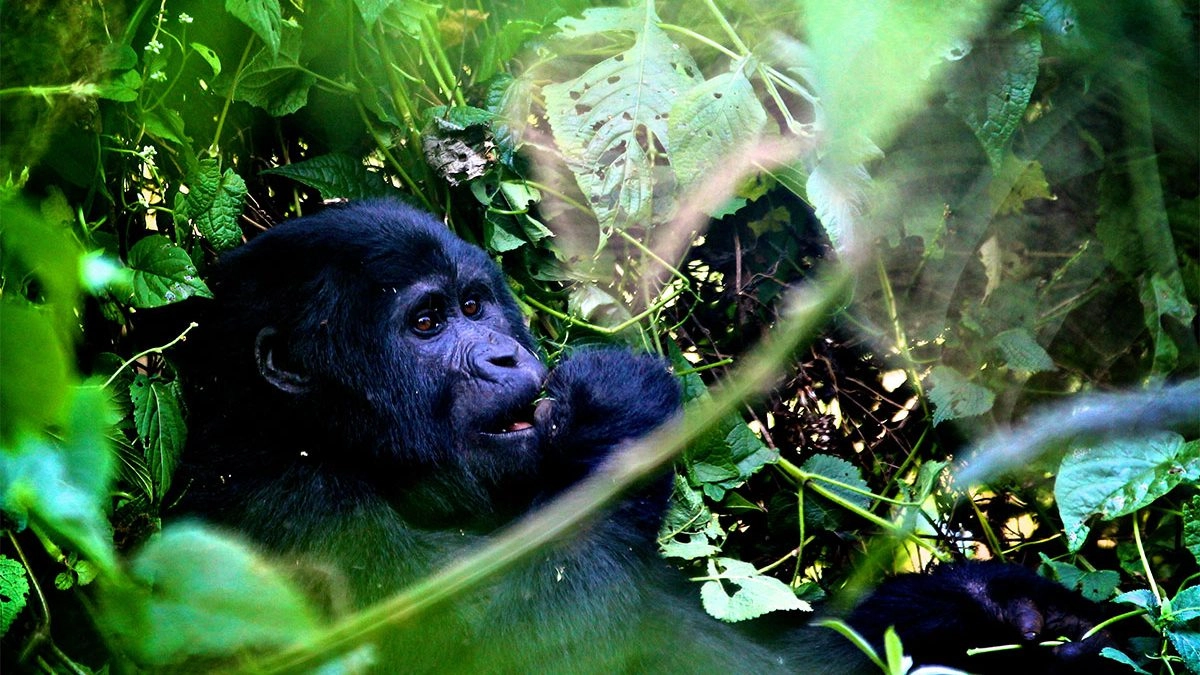
Rwanda Gorilla Trekking Safaris. There are moments in life that stay with you forever, and looking into the eyes of a mountain gorilla is one of them. In the misty bamboo forests of northern Rwanda, a silverback watches over his family while babies wrestle and mothers groom, and you are allowed to sit close enough to hear them breathe. Rwanda gorilla trekking safaris turn that dream into a practical, well-organised journey, and the country has become one of the most rewarding places on Earth to do it.
This complete guide covers everything you need to know: how gorilla trekking works, which gorilla families you might meet, how much the permit costs in 2026, the best time to go, sample itineraries, lodges, what to pack, visas and how to book. Whether you have two days or two weeks, you will find a plan that fits. If you would like a local team to arrange it all, Rwanda Gorilla Trekking Tours can build a safari around your dates, budget and interests.
What Is a Rwanda Gorilla Trekking Safari?
A Rwanda gorilla trekking safari is a guided journey whose highlight is a hike into Volcanoes National Park to spend one hour with a habituated mountain gorilla family. Habituated means that the gorillas have been gradually accustomed to human presence over months or years by trained trackers, so that they behave naturally while visitors watch from a respectful distance. The trek is the main event, but a full safari usually includes airport pickup, transport, accommodation, meals and often a few extra experiences around the park.
Some travellers choose a quick two day trip that includes only the gorillas. Others build a longer safari that combines gorillas with golden monkeys, a savannah safari in Akagera National Park, a chimpanzee trek in Nyungwe Forest, a rest by Lake Kivu or a visit to Kigali. Because Rwanda is small and its roads are good, you can design a rich journey without spending long hours in a vehicle.
Why Choose Rwanda for Gorilla Trekking?
Rwanda combines conservation success with outstanding convenience. Kigali International Airport connects with Europe, the Middle East and Africa, and the road from Kigali to Musanze, the gateway to Volcanoes National Park, takes roughly two and a half to three hours on pavement. Lodges are close to the park, so you can be on the trail soon after breakfast. The country is also known for its cleanliness, safety and efficient organisation, which is reassuring for first-time visitors to Africa.
Another reason is the quality of the park’s management. Groups are small, briefings are thorough, rangers and trackers are experienced and the rules are enforced. The result is an experience that feels intimate and respectful. Many travellers who have trekked in more than one country say that Rwanda’s ease of access makes it the best choice for a short or moderately priced trip, and our team can tell you which style of safari suits your dates and budget.
Mountain Gorillas: A Conservation Success Story
Mountain gorillas are among the rarest great apes on Earth, and for years they teetered on the edge of extinction. Poaching, habitat loss and disease reduced their numbers dramatically during the twentieth century. Conservationists, park rangers, scientists and local communities worked together to reverse the trend, and the gorillas began to recover. The last full censuses, completed in 2018, counted 604 gorillas in the Virunga Massif and 459 in Bwindi, giving a total of 1,063 individuals, and estimates since then point to continued growth.
Gorilla tourism is part of that success. Permit fees help pay for rangers, trackers, anti-poaching patrols and veterinary care, and a share of revenue supports communities living near the park. When you trek gorillas, you are not only enjoying a wildlife experience, but also helping to protect the species and the forest that supports it. That is one reason why permits are limited and priced as they are.
Volcanoes National Park: The Home of Rwanda’s Gorillas
Volcanoes National Park lies in the north-west of Rwanda, on the border with Uganda and the Democratic Republic of the Congo, in the Virunga Mountains. Its slopes rise above two thousand metres and are covered in bamboo, mossy forest, open meadows and volcanic soil. The park is named for its chain of volcanoes, including Karisimbi, Bisoke, Sabyinyo, Gahinga and Muhabura, and its scenery is dramatic in any weather.
The park is also famous for the work of Dian Fossey, the American scientist who founded the Karisoke Research Center here and spent years studying the gorillas. Her research brought worldwide attention to their plight and helped launch the conservation movement that continues today. Visitors can walk to her grave and the ruins of her old camp on a separate hike, which is a moving complement to a gorilla trek.
Meet the Gorilla Families of Volcanoes National Park
About a dozen habituated gorilla families are open to visitors, and each family can receive a maximum of eight people per day. Family names include Agashya, Amahoro, Hirwa, Kwitonda, Sabyinyo, Susa, Karisimbi, Bwenge, Kwisanga and Umubano, among others. Some are large, with more than twenty members, while others are smaller. The Sabyinyo group is often mentioned for its silverback Guhonda, who is believed to be one of the largest wild mountain gorillas, and the Susa group is remembered as the first family studied by Dian Fossey.
Family sizes, leaders and locations change over time, because gorillas are born, groups split and silverbacks challenge one another. You cannot usually choose your family, since park staff assign visitors at the morning briefing based on the number of trekkers and their fitness. You can ask for an easier or harder trek, and your guide will do their best to match you. The important thing is that every family offers a wonderful hour.
Rwanda Gorilla Permit Prices in 2026
The gorilla trekking permit is the largest single cost, and its price is set by the authorities. The table below shows the published rates.
| Visitor category | Published price per person | Notes |
|---|---|---|
| Foreign non-residents | USD 1,500 | Standard rate |
| Foreign non-residents, low season offer | USD 1,050 | Reported discount for November to May, linked to time in Akagera or Nyungwe |
| Foreign residents in Rwanda and other African citizens | USD 500 | Proof required |
| Rwandan and East African citizens | About USD 200 | Proof required |
Permits cover park entry and the guided trek, but not transport, lodging, porters, tips or visas. Tariffs can change, so confirm the current price and any discount conditions before you pay. To receive a full quotation that includes everything, contact Rwanda Gorilla Trekking Tours.
How to Book a Rwanda Gorilla Trekking Safari
Booking is simple if you follow the right order. Choose your dates and trip length, then contact your operator with the full name of each traveller as it appears on the passport. The operator secures the permit for your date and reserves lodging and transport. Once the permit is confirmed, book your flights. This sequence protects you from buying tickets for a date that has no permits available.
Permits are usually non-transferable and non-refundable once issued, so double-check names and dates. For the busy months of June to September and December to February, book several months ahead. Luxury lodges have few rooms and also fill early. When you are ready, send your details through our website, and we will help you choose the best date.
Types of Rwanda Gorilla Trekking Safaris
Short gorilla trips. These last two to three days and focus entirely on the gorillas. They suit travellers with limited time and are the most popular choice for first-time visitors. A common plan is to drive from Kigali to Musanze on day one, trek on day two and return on day two or three.
Gorilla and primate safaris. These add golden monkey tracking, the Dian Fossey tomb hike or a volcano climb to the gorilla trek, and they usually run three to five days. They are ideal for travellers who love primates and want more time in the Virungas.
Gorilla and wildlife safaris. These pair the gorillas with Akagera National Park for game drives and boat trips, or with Nyungwe National Park for chimpanzees and canopy walks. They run five to ten days and give a full picture of Rwanda’s wildlife and landscapes.
Luxury gorilla safaris. These use the country’s finest lodges, private guides and vehicles, and may include helicopter transfers where available. They are popular for honeymoons, anniversaries and special occasions.
Budget gorilla safaris. These use simple guesthouses and shared transport to keep costs low, although the permit remains the biggest expense. They suit solo travellers and backpackers.
Family and group safaris. These are designed around shared rooms, flexible schedules and activities for children who are too young to trek, since the minimum age is fifteen.
Cross-border gorilla safaris. These combine Rwanda with Uganda, so that you can trek in both countries. They require two permits and extra time for the border crossing.
Sample Itineraries: How Many Days Do You Need?
The table below shows how trip length shapes the experience. Every option uses the same permit, so the price difference comes from lodging, transport and extras.
| Length | Typical route | Best for |
|---|---|---|
| 2 days | Kigali, Musanze, gorilla trek, Kigali | Short breaks and tight schedules |
| 3 days | Adds golden monkeys or a Dian Fossey hike | First-time visitors |
| 4 days | Adds Kigali city or Lake Kivu | Couples and families |
| 5 to 6 days | Adds Akagera or Nyungwe | Wildlife lovers |
| 7 to 10 days | Adds both parks or Uganda | Full East African adventures |
If you are short of time, two days is the comfortable minimum, and three days is the sweet spot. A one day trip is possible, but it is long and depends on how far the gorillas have moved that morning. To decide which option suits your flights and fitness, ask Rwanda Gorilla Trekking Tours to review your plans.
A Sample 4 Day Rwanda Gorilla Trekking Safari
Day one: Kigali. You arrive at Kigali International Airport, meet your driver-guide and transfer to your hotel. In the afternoon, you visit the Kigali Genocide Memorial and a local market or coffee shop, which helps you understand the country’s history and its extraordinary recovery. You rest early, because the next day involves a long drive.
Day two: Kigali to Musanze. After breakfast, you drive north through terraced hills and small towns, reaching the Musanze area in about two and a half to three hours. You check in at your lodge, have lunch and spend the afternoon relaxing or visiting a nearby village. An early dinner and a briefing from your guide prepare you for the trek.
Day three: Gorilla trekking. You wake at dawn, drive to the park headquarters in Kinigi for the briefing at about seven o’clock, then trek to your assigned gorilla family. You spend one hour with the gorillas, hike back, celebrate at the headquarters and return to your lodge for a warm meal and rest.
Day four: Return to Kigali. After a relaxed breakfast, you drive back to Kigali and are transferred to the airport or your hotel. If you have time, you can add a golden monkey trek that morning before you leave. This plan gives you comfort, culture and gorillas in a balanced rhythm.
Best Time to Go Gorilla Trekking in Rwanda
The gorillas can be trekked all year, but the seasons affect comfort. The dry seasons, generally June to September and December to February, are the most popular because trails are less muddy and views are clearer. They are also the busiest, so book early. The wetter months, roughly March to May and October to November, are greener and quieter, and they bring the reported low-season permit discount for eligible itineraries.
Highland weather is changeable in every season, so pack for rain and cool mornings whenever you go. If you have flexible dates, the shoulder months at the start or end of the dry seasons can offer a good balance of weather and availability. Once you choose your dates, our team can check permit availability for you.
Where to Stay on a Rwanda Gorilla Trekking Safari
Most lodges are around Musanze and the villages of Kinigi, close to the park headquarters. At the luxury end, well-known names include Wilderness Bisate Lodge, One&Only Gorilla’s Nest, Singita Kwitonda Lodge, Sabyinyo Silverback Lodge and Volcanoes Virunga Lodge. In the mid-range, options often mentioned include Five Volcanoes Boutique Hotel, Amakoro Songa Lodge, Mountain Gorilla View Lodge and Da Vinci Gorilla Lodge. Budget travellers can choose guesthouses and simple hotels in Kinigi and Musanze.
Choose a lodge according to your budget, your interests and how close you want to be to the trailheads. A lodge near the park shortens your morning, while a lodge with a fireplace, a view and good food makes the evenings memorable. Standards and details change, so confirm current information before you book, and ask for recommendations that match your travel style. Contact us for lodge suggestions at every budget.
Combining Rwanda with Uganda: Gorillas in Two Countries
Uganda is the other home of mountain gorillas, in Bwindi Impenetrable National Park and Mgahinga Gorilla National Park, and many travellers combine both countries. The border near Kisoro links the two areas, making it possible to trek in Rwanda and then continue to Bwindi or Mgahinga, or the reverse. If you fly into Kigali and out of Entebbe, this guide on beginning a tour from Kigali airport and ending in Entebbe explains how such a route can work.
If you plan to break the journey in the Kisoro area, the page on Ikoro Hotel in Kisoro gives a sense of accommodation options, and the article on what to do after a gorilla tour in Bwindi is helpful for the days that follow. You can also explore Pick and Transfer Safaris for wider ideas about transfers and safari planning across the region. Remember that each country requires its own permit and has its own price and rules.
How a Gorilla Trekking Day Works, Step by Step
Knowing what will happen helps you relax and enjoy it. You wake early, eat breakfast and drive to the park headquarters in Kinigi, where guides gather visitors for a briefing at about seven o’clock. Rangers explain the rules, describe the terrain and assign each group to a gorilla family. Traditional dancers often perform while visitors wait, which is a lively start to the day.
You then drive to the trailhead and begin walking with a guide, armed rangers and trackers who have already located the family. The hike may cross farmland, then climb through bamboo and forest on muddy, sometimes steep paths. When you get close, you leave your bags with the porters, take only your camera and approach quietly. Then you spend one full hour with the gorillas, watching them feed, play and rest, before the guides lead you back.
How Hard Is Gorilla Trekking in Rwanda?
The difficulty depends on where your family is. Some treks last an hour or two on gentle slopes, while others take five or six hours on steep, wet ground. Sources often quote trek times ranging from a couple of hours to most of a day, with the hour spent with the gorillas in between. The altitude, above two thousand metres, makes walking harder than at sea level.
You do not need to be an athlete, but you should be reasonably fit and used to walking for several hours. Walk regularly for a few weeks beforehand, practise on hills and break in your boots. At the briefing you can ask for an easier or more challenging trek, and staff will try to match you with a suitable family. If you have health concerns, talk to your doctor and let your operator know in advance.
What to Pack for Gorilla Trekking in Rwanda
Good gear makes a difficult day much more comfortable. Bring sturdy waterproof hiking boots, long trousers, a long-sleeved shirt, a waterproof jacket and warm layers. Gardening gloves are a favourite tip, because they protect your hands from nettles and thorns when you grab plants for balance. Add a hat, sunscreen, insect repellent, a small daypack, a refillable water bottle, snacks and a rain cover for your camera.
Keep your main luggage at the lodge and carry only what you need. Bring your passport in case it is checked at registration, and pack small notes for tips and porter fees. If you want a printable packing list tailored to your dates and the season, ask Rwanda Gorilla Trekking Tours, and we will send you one.
Porters, Guides and Tips
Hiring a porter is one of the best choices you can make. Porters carry your daypack, offer a hand on slippery sections and give you a chance to support a local family. Typical porter fees are reported at about USD 15 to 20, and many visitors also give a gratuity. Rangers, trackers and guides work hard to find the gorillas and keep everyone safe, and tipping them is customary, though the amount is up to you.
Ask your operator for guidance on suitable tip amounts and how to hand them over respectfully. Carry small notes in good condition. The people who lead your trek know the forest, the gorilla families and the signs the animals leave behind, and their knowledge is a major part of what makes the day special.
Gorilla Trekking Rules You Must Follow
The rules protect the gorillas and are strictly enforced. Visitors must be at least fifteen years old. You must keep a safe distance, generally about seven metres, and avoid direct eye contact with a silverback. Do not eat, drink or smoke near the gorillas, and do not use flash photography. Speak softly, move slowly and follow your guide at all times.
Gorillas can catch human diseases, so you must not trek if you have a cough, cold or stomach illness, and you should tell your guide if you feel unwell. If a gorilla approaches you, stay calm, do not run and let the guide handle it. Never touch the animals, even if they touch you. These rules may feel strict, but they are the reason the population has grown, and they make the experience even more special.
Photography Tips for Gorilla Trekking
The forest is dim and the gorillas are often in shade, so a camera with good low-light performance helps. Use a lens that lets you photograph from a distance, keep your camera settings simple and switch off the flash. Take a few photos, then put the camera down and simply watch, because the hour passes quickly and the memory will be stronger than any picture.
Protect your gear from rain and mud, carry spare batteries and memory cards and keep everything in a waterproof bag. Ask your guide before you move to a new position, and never move closer to the gorillas for a better shot. Serious photographers who want extra time and flexibility can ask about a private vehicle and a longer itinerary.
More Things to Do in Volcanoes National Park
Golden monkey tracking is a popular second activity. These rare, lively monkeys have golden-orange fur and live in the bamboo zone, and tracking them is easier than a gorilla trek. Published tariffs list it at up to about USD 100 for foreign non-residents. The Dian Fossey tomb hike, listed at about USD 75, leads to the grave of the American scientist and the ruins of her research camp.
Stronger hikers can climb Mount Bisoke, with its crater lake, at about USD 75, or Mount Karisimbi, the highest of the Virungas, on a two day trek at about USD 400. Away from the volcanoes, you can visit the Musanze caves, walk to the Twin Lakes of Burera and Ruhondo, explore Buhanga Eco-Park or visit the Iby’Iwacu Cultural Village. Tariffs change over time, so confirm current prices when you book. If you would like these activities added to your trip, talk to our team.
Beyond the Gorillas: Akagera, Nyungwe, Lake Kivu and Kigali
Akagera National Park, in the east, offers savannah game drives with lions, elephants, giraffes, zebras, hippos and rhinos, plus boat trips on Lake Ihema. Nyungwe National Park, in the south-west, is a vast mountain rainforest known for chimpanzee tracking, colobus monkeys, birdlife and a canopy walkway above the trees. Each park offers a different experience from Volcanoes, and pairing them with the gorillas gives you variety without long travel.
Lake Kivu, on Rwanda’s western border, is a peaceful place to rest after trekking, with beaches, boat trips and cafes. Kigali, the capital, is clean, green and welcoming, and the Kigali Genocide Memorial is a moving place to learn about the country’s history. A good safari mixes adventure and rest, and Rwanda Gorilla Trekking Tours can help you choose the right balance.
After the Trek: Where to Go Next
If you plan to continue to Uganda, the resources at Pick and Transfer Safaris on what to do after a gorilla tour in Bwindi can help you think about the next stage. If you are heading home, allow a buffer of at least a few hours between your trek and any flight. Give yourself a gentle day after the trek, because the hike is physical and a rest helps your body recover. To plan flights for a cross-border trip, this guide on flying into Kigali and out of Entebbe may help.
Rwanda Visas and Entry Requirements
Rwanda has one of the most visitor-friendly entry systems in Africa. According to official tourism information, citizens of all countries can obtain a visa on arrival, and the fee is capped at USD 50 for a single entry. Citizens of African Union, Commonwealth and La Francophonie member states can receive a free 30-day visa on arrival, and citizens of East African Community countries receive free entry for up to six months. You can also apply for an e-visa online before you travel.
Your passport should be valid for at least six months and have blank pages. Health requirements, including any yellow fever vaccination certificate, can depend on your route and nationality, so check current rules with your doctor and the official immigration website. If your safari includes Uganda, check that country’s entry rules too. Rules change, so verify everything before you fly, and our team can guide you through the steps.
Getting to Rwanda and Moving Around
Most international visitors arrive at Kigali International Airport, about twenty minutes from the city centre. Several airlines, including RwandAir, connect Kigali with Europe, the Middle East and many African cities. From Kigali, the road to Musanze is paved and scenic, and a private vehicle with a driver-guide is the most comfortable way to travel, because you can stop for photographs and start early on trek day.
Self-drive is possible but not recommended for a first visit, because mountain roads can be busy and signage is limited. A driver-guide also handles park formalities and can explain the culture as you travel. If you are planning an open-jaw trip, for example arriving in Kigali and leaving from Entebbe, this article on starting a tour in Kigali and ending in Entebbe is a helpful reference.
How Much Does a Rwanda Gorilla Trekking Safari Cost?
The permit is fixed at USD 1,500 for foreign non-residents on the standard published rate, and everything else depends on your choices. Lodging is the biggest variable, from simple guesthouses to some of Africa’s finest lodges. Transport is the next, with shared vehicles costing less per person and private vehicles giving you more freedom. Length matters too, because each extra day adds lodging, meals and activities.
Other costs to plan for include visas, travel insurance, porters, tips, drinks, optional activities and flights. Groups of three or four often find the cost per person lower than a solo traveller, because vehicle and guide costs are shared. Ask each operator for a written itemised quotation that lists inclusions and exclusions, and compare them carefully. To receive a personal estimate, send your dates and group size to Rwanda Gorilla Trekking Tours.
Health, Insurance and Safety
Rwanda is widely regarded as one of the safest and best-organised countries in Africa for visitors, but sensible precautions still apply. Take out travel and medical insurance that covers hiking at altitude and trip changes. Speak to your doctor about vaccinations and any personal health concerns, and carry regular medication in your daypack. Use sunscreen and insect repellent, drink plenty of water and keep valuables secure.
Follow official travel advice for your country and for Rwanda, and use trusted transport. Remember that you must not trek if you are ill with anything contagious, so tell your operator early if you feel unwell, and ask about the terms for rescheduling. A calm, prepared traveller enjoys the experience much more.
Responsible Gorilla Tourism and Community Impact
Gorilla tourism works when it benefits both the animals and the people who live near them. Permit fees fund rangers, trackers, veterinary care and community projects such as schools and health centres around the park, and Rwanda’s approach to conservation has become a model for other countries. Every traveller who follows the rules and chooses responsible operators helps sustain that model.
You can increase your positive impact by hiring local porters and guides, buying crafts from community cooperatives, staying in lodges that employ local staff and support conservation, avoiding single-use plastic and respecting the gorillas’ space. Ask your operator how the safari supports conservation and communities. Good operators are proud to explain, and their answers can help you choose with confidence.
Why Book Your Rwanda Gorilla Trekking Safari with a Local Team?
A local team understands the roads, weather, lodges and park routines. It knows which lodge is closest to the trailhead, how to schedule transfers so that you arrive rested and how to adjust when plans change. It also provides a driver-guide who can explain the culture, landscape and wildlife, turning a trip into a story rather than a series of transfers.
At Rwanda Gorilla Trekking Tours, we help travellers choose the right length, lodges and extras, and we arrange every detail from permit to airport drop-off. We also help groups, families and couples with special requests. If you are also planning a Ugandan leg, the resources at Pick and Transfer Safaris can help you think through the transfers on that side. Send your dates through our website, and we will suggest the best plan.
Common Mistakes When Planning Gorilla Trekking Safaris
The most common mistake is booking flights before securing a permit. Another is choosing a package only on price and discovering that it excludes the permit, transfers or park fees. Others include planning a same-day flight after the trek, packing the wrong footwear, underestimating the difficulty, skipping a porter and forgetting that children under fifteen cannot trek.
Some travellers also assume that the trek will be short, and then find that a long hike leaves them exhausted. Avoid these problems by booking early, reading inclusions carefully, allowing a buffer day, training a little and asking an experienced operator to review your plan. If your route crosses the border, the guide on Ikoro Hotel in Kisoro shows the kind of accommodation available on the Ugandan side.
Frequently Asked Questions About Rwanda Gorilla Trekking Safaris
How much is a gorilla permit in Rwanda?
The published standard price is USD 1,500 per person for foreign non-residents, with lower rates for foreign residents, other African citizens and East African citizens. A low-season discount has been reported for November to May with conditions, so confirm the current rate before booking. Rwanda Gorilla Trekking Tours can provide a written quotation.
How many days do I need for gorilla trekking in Rwanda?
Two days is a comfortable minimum, and three days is ideal for first-time visitors. Add more days if you want to include Akagera, Nyungwe, Lake Kivu or Uganda.
How long do you spend with the gorillas?
You spend one hour with the gorilla family once you find them. The hike can take anywhere from a couple of hours to most of the day, depending on where the gorillas are.
What is the minimum age for gorilla trekking?
Visitors must be at least fifteen years old. Younger family members can enjoy other activities nearby while others trek.
What is the best month for gorilla trekking in Rwanda?
June to September and December to February are the driest and most popular months. The wetter months are quieter, and a reported permit discount may apply to some itineraries from November to May.
Can I trek gorillas in Rwanda and Uganda on the same trip?
Yes. The border near Kisoro links the two areas, but you need a separate permit for each country and extra time for the crossing. For ideas on the Ugandan side, see the guide on what to do after a gorilla tour in Bwindi.
Is gorilla trekking in Rwanda safe?
Yes. Trekking is well organised, groups are guided by experienced rangers and trackers and rules protect both visitors and gorillas. Follow the guidance of your guide and official travel advice.
Book Your Rwanda Gorilla Trekking Safari Today
Rwanda gorilla trekking safaris offer a rare chance to enter the world of one of Earth’s most remarkable animals, in a country that has made conservation a national priority. With careful planning, the right dates, a comfortable lodge and an experienced local team, your journey will be smooth, meaningful and unforgettable. Whether you choose a quick two day trek or a grand tour of Rwanda’s parks, the hour with the gorillas will stay with you for life.
Ready to begin? Send your travel dates, group size and interests to Rwanda Gorilla Trekking Tours, and we will help you design your safari and secure your permit. Permits are limited every day, so the sooner you plan, the better your chance of getting the date you want. The gorillas are waiting.