- LET'S PLAN YOUR SAFARI
- +256 200 921 002
- +256 793 194 703
- info@rwandagorillatrekkingtours.com

Rwanda Gorilla Trekking Tours from Kigali
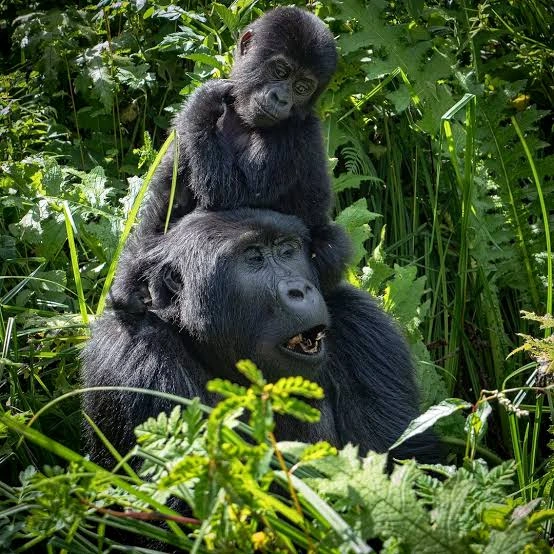
Rwanda Gorilla Trekking Tours from Kigali. For almost every visitor, the journey to meet Rwanda’s mountain gorillas begins in the same place: Kigali. The capital is where your flight lands, where your driver-guide meets you and where you start the scenic road north to Volcanoes National Park. Because Rwanda is small and its roads are good, gorilla trekking tours from Kigali can be as short as two days, and with an early start even a single long day is possible.
This guide explains everything about planning a gorilla trek from Kigali. You will find drive times, sample itineraries from one to five days, advice on airport arrival, where to stay in the city, transport options, 2026 permit prices, what to see in Kigali before or after your trek and how to book. If you would like a team to arrange it all, Rwanda Gorilla Trekking Tours can meet you at the airport and plan every step to the gorillas and back.
Why Kigali Is the Best Starting Point for Gorilla Trekking
Kigali International Airport is Rwanda’s main gateway, with flights from Europe, the Middle East and across Africa, including services by RwandAir. The airport is about twenty minutes from the city centre, and most visitors arrive there, meaning that Kigali is the natural place to begin. From the capital, the road to Musanze, the town near Volcanoes National Park, is paved and scenic, and the drive takes roughly two and a half to three hours.
Starting in Kigali also gives you options. You can stay a night in the city to rest after your flight, add a city tour before or after the trek, or travel directly to the park on the day you arrive if your flight lands early. Kigali has hotels for every budget, restaurants, coffee shops and cultural sites, so it works well as both a starting and finishing point for a short safari.
The Route from Kigali to Volcanoes National Park
The road from Kigali to Musanze heads north-west through the hills for which Rwanda is famous, often called the Land of a Thousand Hills. The distance is roughly a hundred kilometres, and the route passes terraced farms, small towns, roadside markets and green valleys. As you approach Musanze, the volcanoes of the Virunga range appear on the horizon, which is a memorable moment for many travellers.
Drive times depend on traffic, road works and the time you leave, but two and a half to three hours is a reliable estimate. From Musanze, the park headquarters in Kinigi is a short drive away, and many lodges are only fifteen to thirty minutes from the headquarters. If you are on an early trek, leaving Kigali the day before and sleeping close to the park is far more comfortable than starting before dawn from the capital.
Getting Around: Transport Options from Kigali to the Gorillas
Private vehicle with a driver-guide. This is the most comfortable and flexible option. Your driver meets you at the airport, drives you to the park, stays with you during your stay and returns you to Kigali. You can stop for photographs and coffee, and start early on trek day. It is the option recommended for most visitors, particularly on short trips.
Shared safari vehicle. Some operators run shared departures, which lower the cost per person but follow a fixed schedule. This suits solo travellers and budget-minded couples.
Public bus and taxi. Buses run between Kigali and Musanze, and shared minibuses and motorbike taxis can take you around town and to the park area. It is the cheapest option, but journeys can take longer and may not fit the early start needed for trek day.
Helicopter. Helicopter charters and seats on scheduled flights are offered in Rwanda by operators such as Akagera Aviation, and some safari companies advertise helicopter transfers between Kigali and the park. Prices are usually given on request and can be high, and weather affects availability, so ask for a written quote.
Self-drive. Car rental is possible, but mountain roads can be busy and signage limited, and a driver-guide also handles park formalities. Most first-time visitors prefer a driver.
Gorilla Permit Prices for Tours from Kigali in 2026
The permit is the same whether you start in Kigali or elsewhere. The table below shows the published rates.
| Visitor category | Published permit price per person | Notes |
|---|---|---|
| Foreign non-residents | USD 1,500 | Standard rate |
| Foreign non-residents, low season offer | USD 1,050 | Reported discount for November to May, linked to time in Akagera or Nyungwe |
| Foreign residents in Rwanda and other African citizens | USD 500 | Proof required |
| Rwandan and East African citizens | About USD 200 | Proof required |
Permits cover park entry and the guided trek, but not transport, lodging, porters, tips or visas. They are limited, and about a dozen habituated gorilla families are open to visitors, each accepting a maximum of eight people a day. Tariffs can change, so confirm the current price before you pay. For the full picture, read our complete guide to Rwanda gorilla trekking safaris.
1 Day Gorilla Trek from Kigali: Is It Possible?
Yes, a one day trek from Kigali is possible, but it is a long day. You leave the capital before dawn, usually between four and five in the morning, and reach the park headquarters in Kinigi for the briefing at about seven o’clock. You then trek to your gorilla family, spend an hour with them and drive back to Kigali in the afternoon or evening. Trek times range from an hour or two to most of the day, so your return time depends on where the gorillas are.
A one day trip suits fit travellers with a firm schedule, and it should not be combined with an evening flight on the same day. If you are unsure, a two day trip is far more comfortable. If your time is limited, our guide to short Rwanda gorilla safaris shows what fits into two to five days.
2 Day Gorilla Trekking Tour from Kigali
Two days is the most popular option for a reason. On day one, you are collected in Kigali in the morning, drive north with stops for coffee and views and check in at your lodge near Volcanoes National Park in time for lunch. You spend a relaxed afternoon resting, walking in the gardens or visiting a nearby village, and go to bed early. On day two, you wake at dawn, have breakfast, attend the briefing at the park headquarters and trek to your gorilla family. After an hour with the gorillas, you hike back, enjoy lunch at the lodge and drive back to Kigali in the afternoon.
This plan gives you a full night’s sleep before the trek, which matters because the hike is physical. It also lets you return to Kigali with time for dinner or an onward flight the following morning. Avoid booking an evening flight on the same day as your trek, because a long hike or traffic can cause delays. To compare inclusions and prices, see our Rwanda gorilla safari packages guide.
3 Day Gorilla Trekking Tour from Kigali
Three days adds room to breathe and a second experience. A typical plan is to drive from Kigali to the Musanze area on day one, trek gorillas on day two and spend day three tracking golden monkeys before returning to Kigali. Golden monkeys are rare, lively primates with golden-orange fur that live in the bamboo forest, and tracking them is easier than a gorilla trek. Published tariffs list golden monkey tracking at up to about USD 100 for foreign non-residents, so confirm the current price.
You can replace the monkeys with the Dian Fossey tomb hike, a walk through the forest to the grave of the American scientist and the ruins of her research camp, listed at about USD 75 for foreign non-residents. This is the most popular length for first-time visitors, because it balances cost, comfort and variety without needing much leave.
4 Day Gorilla Tour: Kigali City, Culture and Gorillas
Four days lets you weave Kigali into the story. On day one, you arrive, rest and enjoy a city tour, including the Kigali Genocide Memorial, a local market and a coffee shop. On day two, you drive to Musanze and settle into your lodge. Day three is your gorilla trek, and day four is a slow morning and a drive back to Kigali. The memorial is a moving place that helps visitors understand Rwanda’s history and its remarkable recovery, and many travellers say it deepens their appreciation of everything else they see.
Alternatively, you can use the extra day for a cultural experience near the park, such as a village walk, a dance performance, a craft workshop or a visit to the Musanze caves. This is a good choice for couples, families and older travellers who want a relaxed pace. If you are wondering about a single day, read whether a 1-day Rwanda gorilla trekking tour is possible.
5 Day Gorilla and Wildlife Tour from Kigali
With five days, you can pair the gorillas with a second park. Akagera National Park, in the east, is about a couple of hours’ drive from Kigali and offers savannah game drives with lions, elephants, giraffes, zebras, hippos and rhinos, plus boat trips on Lake Ihema. Nyungwe National Park, in the south-west, is a vast mountain rainforest known for chimpanzee tracking, colobus monkeys, birdlife and a canopy walkway above the trees. Each park offers a very different experience from Volcanoes.
A common route is to start in Kigali, spend two nights in Akagera, return through Kigali to Musanze for the gorillas and finish in the capital. The drive between parks takes several hours, so plan for at least one long travel day. If this is your first safari, our guide for first-time gorilla trekkers in Rwanda will help. If you would like to continue to Uganda afterwards, the article on what to do after a gorilla tour in Bwindi can help you plan.
Kigali Airport Arrival: What to Expect
Arriving at Kigali International Airport is simple. You clear immigration, collect your luggage and meet your driver-guide in the arrivals hall, where he or she will usually hold a sign with your name. According to official tourism information, citizens of all countries can obtain a visa on arrival, with the fee capped at USD 50 for a single entry, and you can also apply for an e-visa online before you travel. Citizens of African Union, Commonwealth and La Francophonie member states can receive a free 30-day visa on arrival, and East African Community citizens receive free entry for up to six months.
Your passport should be valid for at least six months. Health requirements, including any yellow fever vaccination certificate, can depend on your nationality and route, so check current guidance with your doctor and the official immigration website. Rules change, so verify everything before you fly. If you arrive late at night, sleep in Kigali and travel to the park the next morning, since the mountain roads are best driven in daylight.
Where to Stay in Kigali Before or After Your Trek
Kigali has a wide range of accommodation, from international-standard hotels to boutique guesthouses and simple budget rooms. Staying in the city the night before your trek is useful if your flight lands late, while staying after the trek makes sense if you have an early departure. Choose a place near the airport if your flight is early, or near the centre if you want to explore, and ask about airport transfers and breakfast times.
Because the drive to the park is long, consider sleeping near the park rather than in Kigali on the night before your trek. Many travellers stay in Kigali on the first and last nights and near Volcanoes National Park on the middle night, which gives the best balance. Deciding how much to spend? Compare budget vs luxury Rwanda gorilla safaris.
Things to Do in Kigali Before or After Your Gorilla Trek
Kigali is clean, green and welcoming, and it deserves at least half a day. The Kigali Genocide Memorial is one of the most important sites to visit, offering a moving account of the country’s history, and it is best approached with a thoughtful and respectful attitude. Local markets, craft shops, art galleries and coffee shops give a taste of daily life, and Rwandan coffee is worth trying.
If you have more time, ask your guide about cultural centres, viewpoints and neighbourhood walks. A city tour also helps you adjust to the time and altitude after a long flight. Because your trek is physically demanding, choose a gentle city plan before it and a more active one afterwards, if you have energy. A well-planned day in Kigali adds depth to your gorilla safari.
Continuing from Kigali to Uganda
Some travellers begin in Kigali and continue to Uganda’s gorilla parks, or the reverse. The border near Kisoro links the Musanze area with south-western Uganda, and a separate permit is required for each country. If you plan to fly into Kigali and out of Entebbe, this guide on beginning a tour from Kigali airport and ending in Entebbe explains how such a route can work.
If your route includes the Kisoro area, the page on Ikoro Hotel in Kisoro shows one accommodation option, and the article on what to do after a gorilla tour in Bwindi helps with the days that follow. You can also browse Pick and Transfer Safaris for wider ideas about transfers and safari planning across the region.
A Detailed 3 Day Itinerary from Kigali, Hour by Hour
Day one, morning: Kigali pickup. Your driver-guide collects you from the airport or your hotel at around eight o’clock. After loading luggage and a short briefing, you leave the capital and head north through the hills. Along the way, you may stop for coffee, photographs and a look at roadside markets.
Day one, afternoon: Arrival at the lodge. You reach the Musanze area around midday or early afternoon, check in at your lodge and enjoy lunch. The rest of the day is yours to relax, take a short walk or visit a nearby village. Your guide reviews the plan for the next morning, and you prepare your daypack. Dinner is early, and bedtime is earlier still.
Day two, dawn: Briefing and trek. After breakfast, you drive to the park headquarters in Kinigi for the briefing at about seven o’clock, where rangers explain the rules and assign visitors to gorilla families. You drive to the trailhead and start hiking with your guide, rangers and trackers. The hike can last from an hour or two to most of the day, depending on the gorillas.
Day two, midday: Your hour with the gorillas. When you reach the family, you spend one hour observing from a respectful distance. Afterwards, you hike back, celebrate at the headquarters and return to the lodge for a hot shower and lunch. The rest of the day is for rest, since trekking is tiring.
Day three: Golden monkeys and return. If you feel strong, you can track golden monkeys in the morning, then drive back to Kigali with time for lunch and a craft market stop. You are back in the capital in the afternoon, ready for airport transfers, ideally with a comfortable buffer before any evening flight. Travelling with friends or family? See how small group Rwanda gorilla safaris work.
Lodges Near Volcanoes National Park for Your Kigali Trip
The lodge you choose shapes your trek morning. Well-known luxury properties include Wilderness Bisate Lodge, One&Only Gorilla’s Nest, Singita Kwitonda Lodge, Sabyinyo Silverback Lodge and Volcanoes Virunga Lodge. Mid-range options often mentioned include Five Volcanoes Boutique Hotel, Amakoro Songa Lodge, Mountain Gorilla View Lodge and Da Vinci Gorilla Lodge, and budget travellers can find guesthouses and simple hotels in Kinigi and Musanze.
When comparing lodges, ask how far they are from the park headquarters, what time breakfast is served on trek day and whether packed breakfast or lunch can be arranged. Lodge details and standards change, so confirm current information before you book. If you would like recommendations for your budget and travel style, ask our team.
Best Time to Trek Gorillas When Starting from Kigali
Gorillas can be trekked all year, but the dry seasons, generally June to September and December to February, are the most comfortable, with drier trails and clearer views. They are also the busiest, so book permits and lodges early. The wetter months, roughly March to May and October to November, are greener and quieter and bring the reported low-season permit discount for eligible itineraries.
The drive from Kigali is easier in the dry season, when roads are less affected by rain, and the trek is less muddy. In the wet season, add a buffer day and pack good rain gear. If you are travelling from Kigali on a short trip, a dry-season date gives you the most reliable experience, but the gorillas are worth the effort in any month.
How Hard Is the Trek, and How Should You Prepare?
The difficulty depends on where your gorilla family is that day. Some treks last an hour or two on gentle slopes, while others take five or six hours on steep, muddy terrain above two thousand metres. You do not need to be an athlete, but you should be reasonably fit and comfortable walking for several hours. Park staff try to match visitors to families according to ability, and you can ask at the briefing for an easier or harder trek.
Walk regularly for a few weeks before you travel, practise on hills or stairs and break in your boots. If you have health concerns, speak to your doctor and let your operator know in advance. Because the drive from Kigali is long, arrive rested, and avoid a same-day flight after the trek. A porter can carry your bag and help you on steep sections, and hiring one supports a local family.
What to Pack for a Gorilla Trek from Kigali
Pack sturdy waterproof hiking boots, long trousers, a long-sleeved shirt, a waterproof jacket and warm layers for the early morning. Gardening gloves protect your hands from nettles and thorns, and a hat, sunscreen, insect repellent, a small daypack, a refillable water bottle and snacks complete the kit. Bring a rain cover for your camera, and keep your main luggage in the vehicle or at the lodge.
If you are combining Kigali with the park, pack a small overnight bag for the lodge and leave larger luggage at your Kigali hotel if you are returning. Bring your passport for registration, and small notes for tips and porter fees. For more flexibility, look at private Rwanda gorilla trekking tours.
Flight Planning for Gorilla Tours from Kigali
Flights are the most important piece of your schedule. The safest plan is to arrive in Kigali at least a day before your trek, or at least in time to travel to the park with a comfortable margin, and to leave at least a day after. Do not book an evening flight on the same day as your trek, because trek times vary from an hour or two to most of the day and the drive back to Kigali takes roughly two and a half to three hours.
Book your permit first and your flight second. Permits are limited, non-transferable and usually non-refundable once issued, so a ticket bought for a date with no availability can be an expensive mistake. If you are flying into Kigali and out of another city, such as Entebbe, plan the connection carefully. If you plan to leave through Entebbe, this guide on starting in Kigali and ending in Entebbe explains how such a route can work. The basics are covered in our overview of gorilla trekking safaris in Rwanda.
How Much Do Gorilla Trekking Tours from Kigali Cost?
The permit is fixed at USD 1,500 per person for foreign non-residents on the standard published rate, and everything else depends on your choices. Lodging is the biggest variable, from simple guesthouses to some of the finest lodges in Africa. Transport from Kigali is the next, with shared vehicles costing less per person and private vehicles giving you more freedom. Trip length matters too, because each extra day adds lodging, meals and activities.
Other costs include visas, travel insurance, porters, tips, drinks, optional activities and flights. Groups of three or four often find the cost per person lower, because vehicle and guide costs are shared. Ask each operator for an itemised quotation that lists inclusions and exclusions, and compare them line by line. You can also read about short gorilla trips in Rwanda if you only have a few days.
Common Mistakes When Planning a Trek from Kigali
The most common mistake is underestimating the drive. The trip from Kigali to the park takes roughly two and a half to three hours each way, and doing it in a single day adds up. Another is booking flights before securing a permit. Others include planning a same-day flight after the trek, skipping the night near the park, packing the wrong footwear and underestimating the difficulty of the hike.
Travellers also sometimes choose a tour only on price and discover that it excludes the permit, transfers or park fees, or forget that children under fifteen cannot trek. Avoid these problems by planning early, reading inclusions carefully, allowing a buffer day and asking an experienced operator to review your plan. If your route crosses into Uganda, the guide on Ikoro Hotel in Kisoro shows the kind of stay available in the border area.
Why Book Your Kigali Gorilla Tour with a Local Team?
A local team turns a complicated journey into a simple one. It meets you at Kigali airport, secures your permit, chooses a lodge close to the park, schedules the drive so that you arrive rested and briefs you on what to expect. It also adjusts the plan if flights, weather or trek times change, and it provides a driver-guide who explains the culture, landscape and wildlife along the way.
Our page on gorilla safari packages in Rwanda explains what a typical package covers. If you are also planning a Ugandan leg, the resources at Pick and Transfer Safaris can help you think through the transfers there. Our one day gorilla trek guide explains the timeline in detail.
Frequently Asked Questions About Gorilla Trekking Tours from Kigali
How far is Kigali from the gorillas?
Volcanoes National Park is roughly a hundred kilometres from Kigali, and the drive to the Musanze area takes about two and a half to three hours on a paved road.
Can I see the gorillas in one day from Kigali?
Yes, but it is a long day. You leave before dawn, trek for anything from a couple of hours to most of the day and drive back. A two day trip is more comfortable.
How much is a gorilla permit?
The published standard price is USD 1,500 per person for foreign non-residents, with lower rates for foreign residents, other African citizens and East African citizens. A low-season discount has been reported for November to May with conditions, so confirm the current rate before booking. Beginners can start with our tips for first-time travelers.
Can I continue from Kigali to Uganda?
Yes, but you need a separate permit for each country and extra time for the border. For ideas on the Ugandan side, see the article on what to do after a gorilla tour in Bwindi.
Book Your Rwanda Gorilla Trekking Tour from Kigali
Kigali makes gorilla trekking easy. With good roads, a welcoming airport and lodges close to the park, you can leave the capital in the morning and be in the forest at dawn the next day. Whether you choose a quick two day trek, a relaxed four day break or a grand wildlife journey, the hour you spend with a gorilla family will be the highlight of your trip.
Ready to begin? Send your travel dates, group size and flight details to Rwanda Gorilla Trekking Tours, and we will help you choose the best plan and secure your permit. Permits are limited every day, so the sooner you plan, the better your chance of getting the date you want. The gorillas are waiting, and if you want to see how Uganda’s border area looks, the page on Ikoro Hotel in Kisoro is a helpful place to start.