- LET'S PLAN YOUR SAFARI
- +256 200 921 002
- +256 793 194 703
- info@rwandagorillatrekkingtours.com

Less Budget Gorilla Trekking Safaris in Rwanda
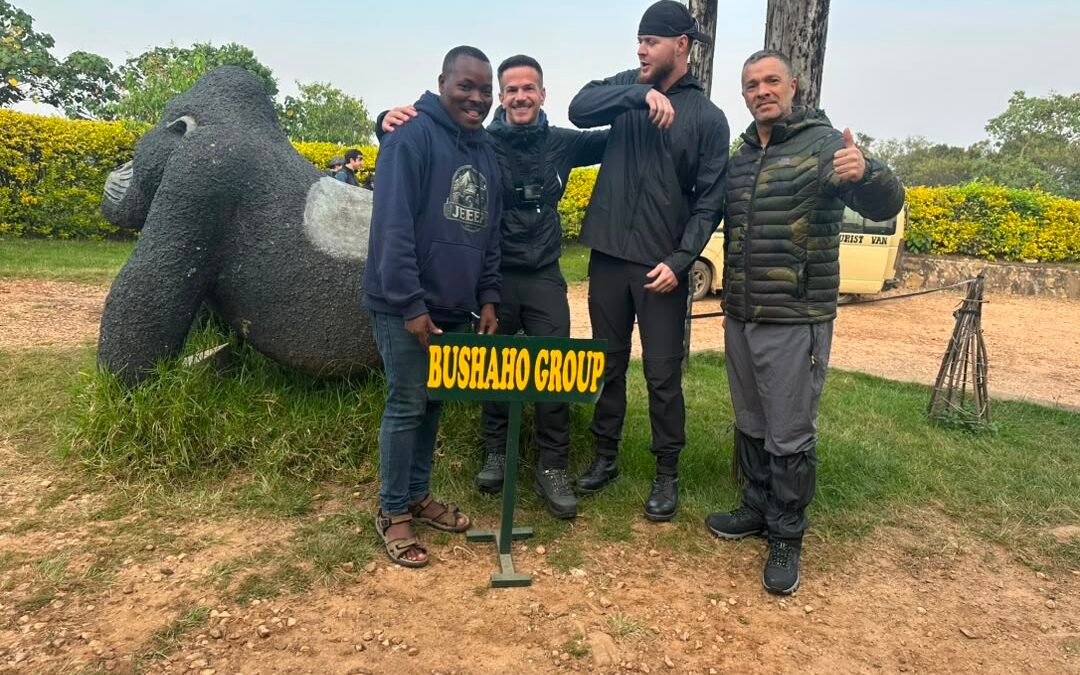
Less Budget Gorilla Trekking Safaris in Rwanda. Ask most travellers what stops them from booking a gorilla safari and the answer is the same: cost. The headline price of a Rwanda gorilla permit is high, and it is easy to assume that meeting mountain gorillas is a luxury reserved for people with unlimited budgets. The good news is that it does not have to be. With smart planning, flexible dates and the right itinerary, budget gorilla trekking safaris in Rwanda are entirely possible, and you can keep the experience just as moving as any premium trip.
This guide is written for travellers who want the best possible value. You will learn exactly where your money goes, which parts of the trip are fixed and which are flexible, how to save on transport, lodging and food, and when an alternative such as a short cross-border trek into Uganda can lower your total bill. Along the way you will find real starting prices from our own gorilla safari packages, so that you can compare options with confidence.
Just as important, this guide explains where not to cut corners. Gorilla trekking is a once-in-a-lifetime experience, and a few careless savings, such as choosing an unlicensed operator or skipping insurance, can cost you far more than they save. Read on, and you will finish with a clear, realistic plan for seeing gorillas on a budget you can live with.
Is Budget Gorilla Trekking in Rwanda Really Possible?
Yes, but it helps to be honest about what “budget” means here. Rwanda deliberately prices its gorilla permits high, at USD 1,500 per person for foreign visitors at the time of writing, to keep visitor numbers low and to fund conservation and community projects. That fee is fixed, so no tour operator can lower it. If someone offers you a Rwanda gorilla safari that seems too cheap to be true, it probably is, and you should ask exactly what is included before you pay.
The savings, therefore, come from everything around the permit: your route, your travel dates, the length of your trip, your accommodation level, how you move around and whether you choose Rwanda or a neighbouring country. A short two-day trek from Kigali with mid-range lodging costs far less than a ten-day luxury tour, even though both include exactly the same one-hour meeting with a wild gorilla family. Once you understand this, budget planning becomes a matter of choosing where to spend and where to save.
Where the Money Goes: A Cost Breakdown of a Rwanda Gorilla Safari
Before you can trim a budget, you need to know what it contains. The largest item by far is the gorilla permit. Next comes transport: getting from Kigali International Airport to the park base in Musanze and back, which is a drive of roughly two to three hours each way. Then there is accommodation for the night before your trek, meals, park-related extras such as porters and tips, visa fees, insurance and international flights.
Of these, the permit is non-negotiable, while accommodation and transport offer the most flexibility. A mid-range guesthouse near Kinigi costs a small fraction of a luxury eco-lodge, and a shared vehicle costs less than a private 4×4 with a driver-guide. Meals, tips and souvenirs are easy to control. Flights are also worth studying: booking early, travelling in the shoulder season and flying into Kigali or Entebbe, whichever is cheaper on your dates, can save hundreds of dollars before you even reach Africa.
Rwanda Gorilla Permit Discounts and Promotions to Ask About
From time to time, the Rwanda Development Board announces promotional rates that reduce the permit price for travellers who meet specific conditions. In the past, these have included discounts for visitors who combine gorilla trekking with several days in other national parks such as Akagera or Nyungwe, particularly during the low-season months, and for participants in approved conferences and events. Terms, dates and eligibility change, so always ask your operator whether any discount currently applies to your travel dates.
Residents of Rwanda and citizens of East African Community countries also pay reduced permit rates, so if you live in the region, be sure to travel with your identification documents and inform your operator when you book. For everyone else, the most reliable way to trim the permit cost is to trek in the low season and to combine your gorillas with other parks in a single itinerary, as this is when promotional offers are most likely to appear. A quick message to our safari planning team will tell you whether an offer is available for your dates.
The Cheapest Way to See Gorillas from Kigali: Trek in Uganda
If your goal is to spend as little as possible while still seeing wild mountain gorillas, consider a short cross-border trip from Kigali into south-western Uganda. Uganda’s gorilla permits are priced considerably lower than Rwanda’s, at about USD 800 per person at the time of writing, and Kigali is only a few hours by road from the Ugandan border. That means you can start in Rwanda, trek in Uganda and return without needing a flight to Entebbe. Always confirm the current permit price with your operator, because tariffs can change.
Uganda’s gorillas live in two parks: Mgahinga Gorilla National Park, which sits on the border and shares the same volcanoes as Rwanda’s Volcanoes National Park, and Bwindi Impenetrable National Park, a dense ancient forest where nearly half of the world’s mountain gorillas live. Both offer the same one-hour encounter, and many visitors describe the experience as equally powerful. For background on each park, take a look at this Bwindi Impenetrable Forest overview and this guide to Mgahinga Gorilla National Park.
One Day Uganda Gorilla Safari Starting from Kigali
For the leanest budget, the one day Uganda gorilla safari starting from Kigali is hard to beat, with a listed starting price of about USD 1,100 per person. You leave Kigali before sunrise, cross the Cyanika border, meet Mgahinga’s habituated Nyakagezi gorilla family for an hour and return to Kigali the same evening. There is no hotel bill to pay, and you keep your other days free for the rest of your Rwanda trip. It is a long and tiring day, so this option suits fit, adventurous travellers. See how the schedule looks in this one-day gorilla safari itinerary.
2 Days Uganda Gorilla Tour Starting from Kigali
If a single long day sounds exhausting, the 2 days Uganda gorilla tour starting from Kigali is a gentler option, listed from about USD 1,200 per person. You travel to the Bwindi area on day one, enjoy a comfortable night near the park and trek the next morning before returning to Kigali. Compared with a single-day dash, it gives you a proper night’s sleep and a more relaxed approach to the trek. A similar programme is outlined in this 2-day Uganda gorilla trek guide.
3 Days Uganda Gorilla Safari from Rwanda
For travellers who want a little more time in the forest and the surrounding countryside, the 3 days Uganda gorilla safari from Rwanda starts at about USD 1,300 per person. It offers a slower pace, more scenery and a chance to enjoy the lakes and hills of south-western Uganda. If you are willing to spend a couple more days, the 5 days Uganda gorilla and chimps safari starting from Rwanda adds chimpanzee tracking, and this article explains how you can start in Kigali and finish in Entebbe to avoid an expensive backtrack.
Budget-Friendly Gorilla Trekking Safaris Inside Rwanda
Perhaps you would rather trek in Rwanda itself, with its famously smooth roads, polished park management and short drives from the airport. That is also possible on a sensible budget. The key is to choose short itineraries that focus on the gorilla trek itself, rather than long tours that add extra parks, flights and luxury lodges. Two of our shortest packages are designed for exactly this purpose, and both include the permit, accommodation, private transport, meals and a driver-guide.
2 Days Volcanoes Gorilla Trek from Kigali
The 2 days Volcanoes gorilla trek from Kigali is our most economical Rwanda option, listed from around USD 2,050 per person for a mid-range stay. The package covers your gorilla permit for Volcanoes National Park, one night of mid-range accommodation near Kinigi or Musanze, private 4×4 transport from Kigali and back with an English-speaking driver-guide, meals as indicated and bottled water. You settle in near the volcanoes on day one, trek on day two and return to Kigali in the evening. Have a look at how the same trip is presented in this 2-day Volcanoes trek overview.
3 Days Rwanda Gorilla Tracking and Cultural Tour
If you can stretch your budget slightly, the 3 days Rwanda gorilla tracking and cultural tour starts from about USD 2,150 per person and adds considerable value for only a small increase. Along with the permit, two nights of mid-range accommodation and private transport, it includes a guided tour of Kigali with entry to the Kigali Genocide Memorial and a guided visit to a community cultural village near Kinigi. In other words, for roughly USD 100 more than the two-day option, you gain a full day of sightseeing and cultural depth. This 3-day cultural gorilla itinerary shows the day-by-day plan.
Rwanda vs Uganda on a Budget: Which Saves You More?
Put simply, Uganda is cheaper on the permit, while Rwanda is easier and more convenient. The Ugandan itineraries above start at roughly USD 1,100 to 1,300, while the Rwandan packages start at roughly USD 2,050 to 2,150, a gap of nearly USD 1,000 per person that is almost entirely explained by the difference in permit fees. For a couple or family, the saving multiplies quickly.
However, cheaper does not always mean better for you. Rwanda’s park headquarters is only a short drive from the airport road, the trek starts within an hour or two of your lodge and the hiking conditions in Volcanoes are generally moderate. Bwindi’s rainforest can be steeper and longer, and cross-border trips involve early starts and border formalities. If you value comfort and convenience, Rwanda is worth the extra cost. If your priority is to save, Uganda is the smart pick. You can compare the parks in more detail on our Volcanoes National Park guide, or read this overview of Volcanoes National Park.
Travel in the Low Season to Save Money
Timing has a huge influence on cost. The dry months of June to September and December to February are the most popular for gorilla trekking, and lodges, drivers and flights all charge their highest rates. The wetter months of March to May and October to November are considerably quieter, and it is common to find discounted accommodation, easier permit availability and, at times, special promotions on the permit itself.
The trade-off is weather. Trails can be muddy and slippery in the rains, and you will need a good waterproof jacket and boots. In return, you get lush green forests, dramatic skies, fewer visitors on the trail and a lower bill. Gorillas also tend to remain lower on the slopes during the rains, following fresh vegetation, which can shorten your hike. For travellers on a tight budget, the low season is the single best way to get more for less.
Travel Together and Share the Costs
Private transport with a driver-guide is one of the largest costs on a short safari, but it does not vary greatly with the number of passengers. A vehicle carrying four people costs about the same as one carrying two, so the cost per person falls as the group grows. If you are travelling with friends or family, book the same itinerary together and share the vehicle and driver. Solo travellers can ask whether there are other guests already booked on the same dates.
Group booking also helps at the permit desk. The Rwanda Development Board allocates permits in groups of up to eight people per gorilla family, so travelling as a small group makes it easier to secure the same trekking day and the same family. Our team can advise you on the most cost-effective vehicle size and help you find travel partners if you are willing to join others.
Choose Budget and Mid-Range Accommodation Near the Park
Luxury eco-lodges near Volcanoes National Park can cost several hundred dollars per person per night, but you do not need one to enjoy a memorable trek. Comfortable mid-range hotels and simple guesthouses in Musanze and the villages around Kinigi provide clean rooms, hot showers and hearty breakfasts for a fraction of the price. Since you will spend most of your time trekking or sleeping, a modest room often offers better value than an expensive one.
Look for accommodation that is close to the park headquarters, so that you do not waste time or fuel on the pre-dawn drive, and check that hot water and a reliable breakfast are included. If you cross into Uganda, budget-friendly options exist around Kisoro, the border town that serves Mgahinga. This profile of Ikoro Hotel in Kisoro is a helpful example of the kind of lodging available in that area.
Save on Ground Transport Without Cutting Safety
Getting from Kigali to the volcanoes is a drive of roughly two to three hours, and how you do it affects your budget. Public buses and shared minibuses run between Kigali and Musanze at very low fares, and they are a real option for adventurous solo travellers who are comfortable with local travel and have flexible schedules. However, the early start on trekking day means you would need to overnight in Musanze or Kinigi and arrange a separate ride from your lodge to the park headquarters.
For most travellers, a private vehicle with an experienced driver-guide is the better choice for a short trip, because it saves time, protects your non-refundable permit against delays and lets you stop for photographs along the way. Where budget is tight, the best compromise is to share a vehicle with other travellers, choose a shorter itinerary and avoid unnecessary detours. Never compromise on the reliability of the vehicle or the driver, because your gorilla day depends on getting there on time.
Eat Well for Less
Rwandan food is inexpensive, fresh and filling. Local restaurants serve dishes of beans, plantains, cassava, potatoes, vegetables and grilled meat or fish for a few dollars, and street-side stalls sell roasted maize, samosas and fresh fruit. Kigali also has excellent cafés where a coffee and a snack cost far less than in Europe or North America. Eating where locals eat is often the cheapest and most enjoyable way to experience the country.
On trekking day, pack a picnic lunch from your lodge, carry water, and bring high-energy snacks such as nuts, biscuits and fruit. Most of our budget packages already include the meals listed in the itinerary and bottled drinking water, so check exactly what is included before you decide how much extra money to bring.
Low-Cost Add-Ons in Kigali and Musanze
You do not need to spend a fortune to fill the days before and after your trek. Kigali is one of the most walkable and enjoyable capitals in Africa, and many of its best experiences are inexpensive. Visit the Kigali Genocide Memorial, browse the colourful stalls of the local markets, sample coffee at neighbourhood cafés and stroll through the city’s clean, tree-lined avenues. Our Kigali City travel guide lists the highlights, and this article on things to do in Kigali offers further ideas.
Around Musanze, you can explore local villages, watch traditional dance performances and walk through farmland with views of the volcanoes, all for modest fees. Golden monkey tracking and the hike to Dian Fossey’s grave are popular extras in Volcanoes National Park, and their fees are far lower than the gorilla permit. Ask your operator for the current price of each activity so you can decide which add-ons fit your budget.
Adding Nyungwe or Akagera Without Blowing Your Budget
Many travellers want to see more of Rwanda than gorillas, and the country’s other parks are close enough to add without exploding your budget, provided you keep the extension short. Akagera National Park, Rwanda’s only savannah park, is just two and a half to three hours from Kigali, so a compact trip there needs fewer nights on the road. Nyungwe Forest National Park, home to chimpanzees and a famous canopy walk, is a longer drive of five to six hours, so it works best when you can allow at least two nights.
To explore these parks in more depth, see our guides to Akagera National Park and Nyungwe Forest National Park, or read these overviews of Akagera’s wildlife and Nyungwe’s primates. Compact itineraries such as the 3 days Akagera National Park safari from Kigali and the 2 days Nyungwe chimps tracking trip let you add another primate or wildlife experience without turning a budget trip into a luxury one.
How Hidden Costs Can Quietly Inflate Your Budget
Many travellers set a budget based on the headline price of a package and then feel surprised by the small expenses that appear along the way. Plan for them in advance and you stay in control. Typical extras include your visa, travel insurance, vaccinations and health preparation, tips for guides, drivers and porters, drinks beyond those provided with meals, souvenirs, and any additional activities you decide to book on the spot. If you cross into Uganda, allow for possible visa or entry fees, and check whether your nationality qualifies for a regional tourist visa that covers several East African countries.
Ask your operator for a written list of inclusions and exclusions for every itinerary. Our package pages, such as the 2-day Volcanoes gorilla trek, spell out exactly what is covered, including the permit, accommodation, transport, meals and taxes, and what is not, such as international flights and personal spending. Knowing this in advance helps you set aside a sensible cushion, usually a couple of hundred dollars per person for tips and extras, so that a small surprise never becomes a big worry.
How to Compare Safari Quotes Fairly
When you request quotes from several operators, the cheapest number is not always the best deal. Two safaris that look similar on paper can differ enormously in what they actually deliver. Start by confirming that the permit is included and that it is for the date you want. Then compare the quality of the accommodation, the type and age of the vehicle, whether the driver-guide speaks your language, how many meals are provided and whether all taxes and fees are already in the price.
Read the cancellation and refund terms carefully, because gorilla permits are typically non-refundable once purchased and you need to understand your exposure if your plans change. Look for reviews, a physical address and responsive communication. A quote that is much lower than others usually leaves something out, and those omissions show up later as extra charges. A trustworthy team will explain its prices openly and answer your questions without hesitation.
Gear You Can Buy, Borrow or Rent Cheaply
Good gear helps you enjoy the trek, but you do not need to spend a fortune on it. If you already own comfortable hiking boots, a rain jacket and long trousers, you are most of the way there. Borrow gaiters, gloves or a daypack from friends, buy secondhand outdoor equipment or pick up inexpensive gardening gloves at a local shop, since their main job is to protect your hands from nettles and thorny branches.
Some items can also be found in Rwanda itself. Rain ponchos, gloves and snacks are sold in Musanze and Kigali at low prices, and walking sticks are usually provided free at the trailhead. Even so, do not delay your shopping until the last minute, because you will want to break in your boots before the trek. Comfortable, well-fitting footwear is the one item worth investing in, because blisters can ruin a wonderful day.
What Every Traveller Gets, Whatever They Spend
It is worth remembering that the gorilla encounter itself is the same for everyone. Whether you stay in a simple guesthouse or a five-star eco-lodge, you attend the same morning briefing at the park headquarters, hike with the same trained guides and trackers and spend the same one hour with a habituated gorilla family, in a group of no more than eight visitors. The silverback does not know how much you paid for your bed, and the baby gorilla who tumbles past you is just as playful.
That is why budget travellers often end up feeling they got the best of the experience. You put your money where it matters, into the permit, the guide and the memories, and skip the frills that have nothing to do with the gorillas. If you want a little more variety, our 5 days Rwanda wildlife and gorillas safari is the natural step up once your budget expands, and you can explore it further in this 5-day wildlife and gorilla itinerary.
Budget Gorilla Trekking for Solo Travellers, Couples and Families
Your ideal budget plan depends on who is travelling. Solo travellers pay the full cost of private transport and often a single-room supplement, so joining a shared departure or teaming up with other guests can make a noticeable difference. Couples benefit from splitting the vehicle and a double room, which brings the per-person price down without changing the experience. Families and friend groups enjoy the greatest savings of all, since one vehicle and one driver-guide serve the whole party, but remember that every trekker aged 15 and above needs their own permit.
Children below the age of 15 cannot trek gorillas, so families with younger children should plan alternative activities for them, such as a cultural village visit, a Kigali city tour or a relaxed day at the lodge. Older teenagers and adults who are reasonably fit usually manage the trek well. Tell your operator the ages and fitness levels of everyone in your group, and the team can advise on the most suitable itinerary and the most economical way to travel together.
Budget Mistakes to Avoid When Booking a Gorilla Safari
A few common mistakes turn a smart budget into an expensive lesson. The first is waiting too long to book, because permits for popular dates sell out and last-minute prices rise sharply. The second is arriving on the very day of your trek, since a delayed flight or a long immigration queue can cost you a non-refundable permit. Always arrive at least one day early. The third is choosing an operator solely on price, without checking what is included, who is responsible for your permit and what happens if plans change.
Other mistakes are quieter. Some travellers underestimate the cost of tips and small purchases, others skip travel insurance to save a little and regret it later, and some pack the wrong shoes and struggle on the trail. Avoiding these errors costs nothing, and it protects the money you have worked hard to save. When you are ready to plan, our team is happy to review your budget and point out anything that might catch you out.
Where Not to Cut Corners on a Gorilla Safari
Saving money is smart, but a few things are simply not worth the risk. The first is your operator. Always book through a licensed, reputable company with a real local presence, verifiable contact details and clear inclusions and exclusions. Unlicensed middlemen sometimes sell fake or duplicated permits, and losing a permit fee of USD 1,500 is a far bigger setback than any saving you might have made. Ask for written confirmation, permit details and a clear payment schedule, and be wary of anyone who pressures you to pay quickly.
The second is insurance. Choose a comprehensive policy that covers medical emergencies, evacuation and cancellation, because gorilla permits are usually non-refundable and you may be hiking at altitude in remote terrain. The third is equipment: decent waterproof boots, a rain jacket and gloves cost little compared with a ruined trek. Finally, never skimp on your guide and vehicle. Experienced, well-trained guides make your day safer and smoother, and you will notice the difference every hour of the trip. To find out more about the team behind our safaris, see our about us page.
Smart Money-Saving Tips for Your Gorilla Trek
A few practical habits can help you save without losing anything that matters. Book your permit and flights as early as possible, since early planning gives you more choice of dates, lower fares and better rooms. Be flexible about your trekking day, because a shift of a few days can make it easier to find a permit or a cheaper lodge. Travel light and carry only the gear you need, which reduces baggage fees and makes the hike easier.
Bring a reusable water bottle and refill it, carry small denominations of local currency for tips and snacks, and use mobile money or local cards where possible to avoid poor exchange rates. Hire a porter, because although it adds a small cost, it makes the trek easier and supports a local family. Finally, be clear with your operator about your budget from the start. A good team will design an itinerary around your figure rather than trying to upsell you, and we would rather build a trip that fits than one that leaves you worried about money.
Sample Budget Plans to Match Your Time and Wallet
To make planning easier, here are three simple ways to think about your trip. If you have just one day, the Kigali-to-Mgahinga day trip is the lowest-cost route. If you have two days and want a comfortable night’s sleep, the two-day Uganda trek from Kigali balances price and comfort. If you prefer to stay in Rwanda, the two-day Volcanoes trek is the most economical way to see the country’s own gorillas, and the three-day cultural option adds a lot of value for a small extra amount.
Travellers with more time and a modest budget can build up gradually, combining a gorilla trek with a short wildlife extension and a day or two in Kigali. Our wider wildlife safaris and extended safaris can be adjusted to your budget, and our team can remove or replace items to bring the total down. Remember that any price you see online is a starting point, and it depends on your dates, group size and accommodation choices.
What to Do After Your Trek Without Spending More
After the excitement of meeting the gorillas, the best way to relax is often the cheapest. Enjoy a hot shower, share a meal with your fellow trekkers, walk around the village near your lodge and reflect on the day. If you have trekked in Uganda, this list of ideas on what to do after a gorilla tour in Bwindi offers low-cost ways to spend your recovery time. Allow at least a buffer day before any international flight so that delays never put your journey at risk.
Frequently Asked Questions About Budget Gorilla Trekking in Rwanda
What is the cheapest way to see gorillas from Rwanda?
The most economical option is usually a short cross-border trip from Kigali into Uganda, because Uganda’s permit costs less than Rwanda’s. The one-day Kigali to Mgahinga safari starts from about USD 1,100 per person, while two- and three-day options start from about USD 1,200 and USD 1,300.
Can I trek gorillas in Rwanda for less than USD 1,500?
Not with a standard foreign-visitor permit, because the permit itself costs USD 1,500. Exceptions include residents and East African Community citizens, who pay reduced rates, and travellers who qualify for an official promotional discount. Always confirm current offers with your operator or the Rwanda Development Board.
Is a cheaper gorilla safari less safe or less enjoyable?
Not if you choose carefully. Your encounter with the gorillas is identical whatever you spend, because every visitor gets the same one-hour visit in a group of no more than eight. Savings should come from lodging, transport and trip length, not from safety, guides or insurance.
When is the cheapest time to go?
The low season, from March to May and October to November, usually brings lower accommodation prices, easier permit availability and occasional promotions. Expect more rain and muddier trails in exchange for a quieter park and better value.
How far ahead should I book?
Book at least three to six months ahead for the dry months, and earlier if you need specific dates. Low-season travel is more flexible, but early booking still gives you the best choice of lodging and transport.
Do I need to tip on a budget trip?
Tipping is not compulsory, but it is customary, and guides, trackers, porters and drivers rely on it. Plan a small amount in your budget, because it is a meaningful contribution to local incomes.
Ready to Plan Your Budget Gorilla Safari?
Seeing a wild mountain gorilla does not have to drain your savings. By choosing the right route, travelling in the low season, sharing costs, staying in comfortable mid-range lodging and asking about promotions, you can bring a Rwanda gorilla trek within reach without compromising the magic of the encounter. Whether you decide on a quick Ugandan day trip from Kigali or a two-day Volcanoes trek in Rwanda, you will return home with memories that far outweigh the cost.
The best time to begin is today, because low-season dates and affordable rooms disappear quickly. Explore our full range of gorilla safaris, or see the wider selection at this gorilla safari collection, then contact our team with your dates, group size and budget. We will build a plan around your figures and help you meet the gorillas without financial stress.