- LET'S PLAN YOUR SAFARI
- +256 200 921 002
- +256 793 194 703
- info@rwandagorillatrekkingtours.com

Gorilla Trekking Safaris in Rwanda
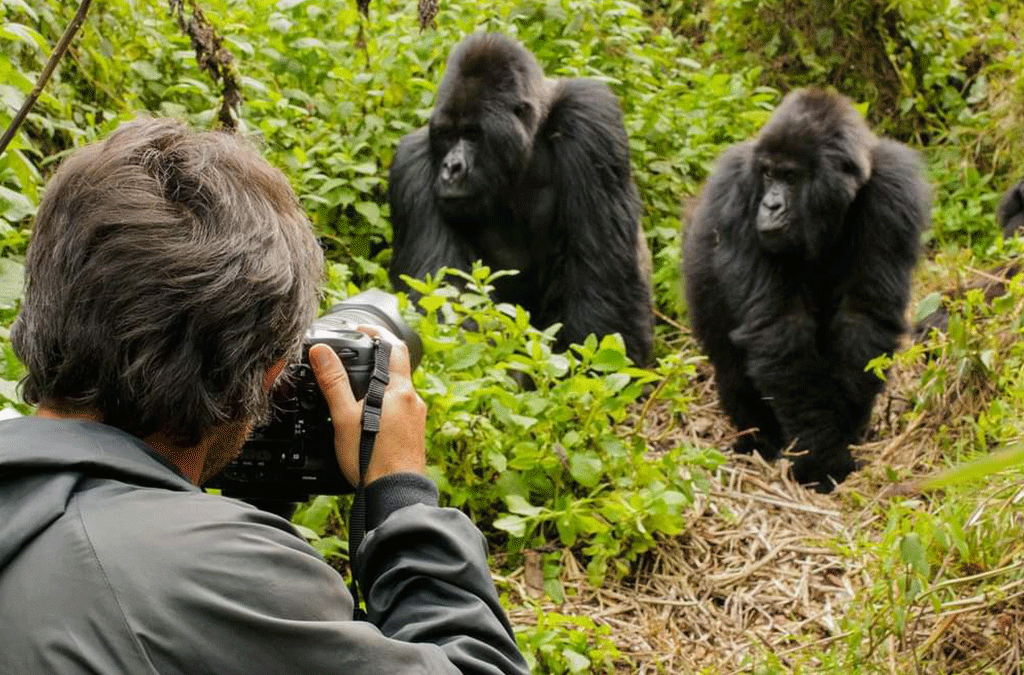
Gorilla Trekking Safaris in Rwanda. There are travel moments you plan for months and remember for a lifetime. Standing a few metres from a silverback gorilla in the mist-wrapped bamboo forest of northern Rwanda is one of them. The giant sits calmly, chewing wild celery, while a juvenile tumbles through the undergrowth and a mother cradles a newborn against her chest. Nobody speaks above a whisper. Time slows down. That is the magic of gorilla trekking safaris in Rwanda, and it is why travellers from every continent make the journey to the Land of a Thousand Hills.
Rwanda has become the most polished and reliable gorilla trekking destination in Africa. The roads are smooth, the capital is spotless and safe, the national park headquarters is only a short drive from the trailheads, and the mountain gorillas of Volcanoes National Park are among the best-studied primates on the planet. Whether you have one free weekend or two full weeks, a well-planned gorilla safari can turn a bucket-list dream into a smooth, deeply moving reality.
This guide walks you through everything you need to know: how gorilla trekking works, what the permit costs, when to travel, how difficult the hike really is, what to pack, and which itineraries give you the best value. You will also find ideas for extending your trip to chimpanzee forests, savannah parks and neighbouring Uganda. Read it from start to finish, or jump to the section you need. By the end, you will be ready to book with confidence.
Why Rwanda Is One of the Best Places on Earth for Gorilla Trekking Safaris
Only three countries in the world offer legal, organised encounters with wild mountain gorillas: Rwanda, Uganda and the Democratic Republic of Congo. Of the three, Rwanda stands out for its convenience and its conservation success story. The trailheads sit roughly two to three hours by road from Kigali International Airport, which means you can land in the morning, reach your lodge by lunchtime and trek the next day. There are no domestic flights to catch and no punishing overland journeys to endure.
Rwanda also runs one of the most disciplined tourism systems in Africa. Group sizes are strictly limited, rules are enforced firmly but kindly, and a significant share of park revenue is reinvested in the communities living beside the forest. Guides, trackers, porters, lodge staff and craft makers all benefit directly from every visitor. When you trek here, your money protects the gorillas and supports the people who live next door to them.
Finally, Rwanda gives you more than gorillas. Within a single trip you can meet golden monkeys, follow chimpanzees through ancient rainforest, watch elephants and lions on the savannah, and explore a capital city that has reinvented itself with remarkable energy. Our Volcanoes National Park travel guide is a good starting point if you want a deeper look at the region before you plan.
Meet the Mountain Gorillas: Facts Every Traveller Should Know
Mountain gorillas (Gorilla beringei beringei) are one of the two subspecies of eastern gorilla, and they live only in the cool, high-altitude forests of the Virunga Massif, which spans Rwanda, Uganda and the DRC, and in Uganda’s Bwindi Impenetrable Forest. Their long, thick fur helps them survive at elevations where temperatures often drop close to freezing at night. Adult males, known as silverbacks because of the silver saddle that develops across their backs, can weigh well over 150 kilograms and lead family groups of a dozen or more individuals.
The story of these animals is one of the great comebacks in conservation. In the 1980s, poaching, snares and habitat loss had pushed the Virunga population down to roughly 250 individuals. Thanks to anti-poaching patrols, veterinary care, community programmes and tourism revenue, numbers have climbed to more than a thousand, and the species has moved from Critically Endangered to Endangered on the IUCN Red List. Every gorilla trekking permit sold today is a direct vote for that recovery.
Gorilla life is wonderfully familiar. Families spend the morning feeding on bamboo shoots, thistles, nettles and wild celery, rest during the middle of the day, then build fresh nests of leaves and branches each evening. Young gorillas wrestle, beat their chests in imitation of the silverback and sometimes stroll right past trekkers with complete confidence. Watching them, it is impossible not to notice how much they resemble us: the expressive eyes, the careful hands, the fierce attention a mother pays to her baby.
Volcanoes National Park: Home of Rwanda’s Gorilla Families
Volcanoes National Park, known locally as Parc National des Volcans, covers roughly 160 square kilometres of montane rainforest, bamboo belts, alpine meadows and volcanic slopes in north-western Rwanda. It is the Rwandan section of the Virunga Massif, a chain of eight volcanoes shared with Uganda and the DRC. Five of them can be seen from the Rwandan side: Karisimbi, Bisoke, Muhabura, Gahinga and Sabyinyo. On clear mornings their cones rise above the clouds like something from a dream.
The park is also where Dr Dian Fossey established the Karisoke Research Centre in 1967 and spent nearly two decades studying and defending the gorillas. Her work, later immortalised in the book and film Gorillas in the Mist, brought the plight of the species to a global audience. Today, the centre continues her research, and visitors can hike to the site of her grave and the old camp as a separate activity.
About a dozen habituated gorilla families are open to visitors here, each with its own personality, history and range. Some groups live close to the park boundary and can be reached in an hour, while others sit higher on the slopes and demand a longer, steeper climb. Park rangers match trekkers to families based on fitness, age and preference, so it is worth telling your guide honestly what you can manage. For a closer look at the park’s habitats, wildlife and activities, see this Volcanoes National Park destination guide.
How Gorilla Trekking Works: From Sunrise Briefing to One Magical Hour
Your gorilla trekking day begins early. Most travellers wake before dawn, enjoy a quick breakfast at their lodge and drive to the park headquarters at Kinigi, where guides gather for a briefing around 7:00 am. Over coffee and traditional dancing performed by local troupes, rangers explain the rules, allocate visitors to gorilla families and introduce your guides. Groups are capped at eight trekkers per gorilla family, which keeps disturbance low and gives every visitor an intimate view.
After the briefing, you drive to the trailhead of your assigned family. Trackers who set out at first light have already located the gorillas from their nests of the previous night and radio the position back to the guides. The hike may last anywhere between thirty minutes and four hours each way, depending on where the family has moved. You will pass through farmland and stone walls, cross into the park, then climb through bamboo and hagenia forest on paths that can be muddy and steep.
When you meet the gorillas, your guide will tell you to leave your walking sticks and bags behind, keep your voices low and stay together. Then comes the encounter itself: one hour in the company of wild gorillas. It sounds short, but every minute is intense. You watch, photograph and simply breathe it all in. When the hour ends, you hike back down, receive a certificate of completion at the headquarters and return to your lodge with a story you will tell for years.
Rwanda Gorilla Permit Cost and What It Includes
The Rwanda gorilla trekking permit is currently priced at USD 1,500 per person for foreign visitors, one of the highest permit fees in Africa. Higher pricing is a deliberate conservation choice: it keeps visitor numbers low, funds anti-poaching and veterinary work, and returns a share of tourism revenue to nearby communities through schools, clinics, water projects and cooperatives. Prices and promotions can change, so always confirm the latest rate with your tour operator or the Rwanda Development Board before you finalise your budget.
The permit covers your park entrance fee, a ranger-guide and trackers for the day, security escorts and the one-hour encounter with your assigned gorilla family. It does not cover accommodation, meals, transport, porters, tips or your international flights. Many travellers also budget for a porter, which costs a modest fee and puts money directly into the pockets of local families, as well as for a walking stick, which is usually provided free at the trailhead.
Permits are non-transferable, issued in the name of the individual traveller and tied to a specific date, so you need to provide accurate passport details when booking. Occasionally, promotional rates are announced for travellers who combine gorilla trekking with other national parks or who visit in the low season. If flexibility fits your plans, ask about current offers before you commit.
How to Book Your Rwanda Gorilla Permit Without Stress
You have two ways to secure a permit: book directly with the Rwanda Development Board, or let a licensed tour operator do it for you. Most travellers choose the second option because an operator handles the paperwork, checks availability across multiple dates, coordinates your transport and accommodation and steps in when plans change. That convenience is especially valuable during the peak season, when permits can sell out months ahead.
A good rule of thumb is to book your permit at least three to six months before travel, and earlier if you plan to visit in June, July, August, September or during the December holidays. Have your passport details, preferred dates and the number of trekkers ready. Our team can check availability within a day and build a complete itinerary around the date you secure. To start the conversation, contact our safari experts and tell us how many people are travelling and how many days you have.
Bear in mind that permits are also tied to a trekking day, so arriving in Rwanda at least one day early is wise. Late flights, missed connections or long immigration queues can otherwise cost you a non-refundable permit. Our itineraries always include a safety buffer, so that you arrive rested, adjust to the altitude and meet your guide before the big day.
Best Time to Go Gorilla Trekking in Rwanda
Gorillas live in the forest all year, so trekking is possible in every month, but the season you choose shapes your comfort. The two dry seasons, from June to September and from December to February, are the most popular. Trails are drier, views of the volcanoes are clearer and photography conditions are better. Because demand peaks at these times, permits and lodges book out early, and prices for accommodation are at their highest.
The wetter months, from March to May and again in October and November, bring frequent showers and slippery, muddy trails. The reward for accepting a little rain is a quieter park, lusher forest, easier permit availability and, at times, attractive promotional offers. Gorillas also tend to stay lower on the slopes during the rains, following fresh vegetation, which can shorten the hike. With a good rain jacket, waterproof boots and a positive attitude, the green season can be spectacular.
Whenever you travel, remember that Volcanoes National Park sits between 2,400 and 4,500 metres above sea level, so the weather can change in minutes. Mornings are chilly, the sun can be surprisingly strong at midday and clouds roll in without warning. Layered clothing beats a single heavy jacket every time.
How Fit Do You Need to Be? Difficulty, Terrain and Porters
Gorilla trekking is a moderate physical activity rather than a mountaineering challenge, but it should not be underestimated. The altitude thins the air, the terrain can be steep and muddy, and the hike may last several hours in total. Most healthy travellers between the ages of 15 and 70 complete it successfully, and many people who rarely hike have done so with a little preparation and a good guide.
To prepare, spend a few weeks before your trip walking regularly on hills or stairs, wearing the boots you plan to use. Build stamina rather than speed. On the trail, go slowly, drink water often and use the rest stops your guide arranges. If you have health concerns, tell the ranger at the briefing so that you can be allocated to a family that is easier to reach.
Hiring a porter is one of the best decisions you can make. For a small fee, a local porter carries your daytime bag, gives you a helping hand on slippery slopes and, importantly, provides income to a community member who might otherwise have to rely on the forest for a living. Many visitors describe their porter as the unsung hero of the day. Travellers who need extra assistance can also arrange for a sedan-chair service, staffed by a team of porters, through the park authorities and your operator.
What to Pack for a Rwanda Gorilla Trek
A smart packing list keeps you dry, warm and focused on the gorillas rather than on your discomfort. Start with the basics: sturdy, waterproof hiking boots with good grip, long trousers that can be tucked into your socks, a long-sleeved shirt and a lightweight waterproof jacket. Nettles and biting ants are part of the forest floor, so covering your skin matters more than looking stylish.
Beyond clothing, a few smaller items make a big difference:
- Gardening or hiking gloves to protect your hands from thorns and stinging nettles when you grab branches for balance.
- Gaiters or thick socks to keep insects and mud away from your ankles.
- A daypack with a rain cover, a refillable water bottle and energy snacks such as nuts or biscuits.
- A hat, sunglasses and sun cream for the exposed sections of the trail.
- A camera with a fast lens, spare batteries and memory cards, plus a small waterproof bag to protect them. Flash photography is not allowed.
- A personal first-aid kit with insect repellent, plasters and any prescription medicines.
Leave heavy items at your lodge. Your guide will ask you to leave bags and sticks a short distance from the gorillas anyway, and the lighter you travel, the more energy you keep for the climb. Rwanda has banned single-use plastic bags, so avoid bringing them into the country, and pack a reusable bag instead.
Gorilla Trekking Rules and Etiquette to Protect the Gorillas
Mountain gorillas share about 98 per cent of their DNA with humans, which means they can catch our colds, flu and other respiratory illnesses. For that reason, the rules for gorilla trekking exist to protect the animals as much as the visitors. Anyone who is sick with a contagious illness will be turned away at the briefing, and a refund is usually not possible, so take care of your health in the days before your trek.
On the trail, you should stay at least seven metres from the gorillas, keep your voice low, avoid sudden movements and never point or stare directly into a silverback’s eyes. Eating, drinking and smoking near the animals are forbidden, and you should turn away from the gorillas if you need to sneeze or cough, covering your mouth as you do. If a curious juvenile approaches you, do not touch it. Simply stay calm and let your guide manage the situation.
These rules are not meant to spoil your fun. They are the reason wild gorillas are willing to tolerate human company in the first place, and the reason the population is growing. Follow your guide’s instructions and you will be rewarded with an encounter that feels remarkably natural.
Best Rwanda Gorilla Trekking Safari Packages to Consider
Choosing the right itinerary depends on how much time and budget you have, and on whether you want gorillas alone or gorillas plus other wildlife. The following packages are our most requested options, from a quick two-day trek to a wide-ranging Rwanda and Uganda adventure. Browse the full range on our gorilla safaris page and let our team tailor any of them to your dates, group size and comfort level.
2 Days Volcanoes Gorilla Trek from Kigali
If your schedule is tight, this is the perfect introduction. You are collected in Kigali, driven to the Musanze area to settle in near the volcanoes, trek gorillas the next morning and return to the capital in the evening, all without crossing a border. The 2 days Volcanoes gorilla trek from Kigali is ideal for business travellers, long-layover passengers and anyone who wants to tick the gorilla experience off without spending a week away. The same itinerary is also described in more detail on this partner page.
3 Days Rwanda Gorilla Tracking and Cultural Tour
Add one more day and you gain depth. This programme opens with a guided tour of Kigali’s most significant historical sites, continues with your gorilla trek and adds a visit to a community cultural village near the park, so that you meet the people and understand the history as well as the primates. Our 3 days Rwanda gorilla tracking and cultural tour is a favourite with couples and families, and you can compare the details with the 3-day cultural gorilla itinerary from our travel partners.
5 Days Rwanda Wildlife and Gorillas
This is the best all-round choice for first-time visitors. Over five days you combine open savannah game drives and a boat safari in Akagera National Park with a face-to-face gorilla encounter in Volcanoes National Park. It gives you a sense of the country’s variety without feeling rushed. Have a look at the 5 days Rwanda wildlife and gorillas safari, and see how it is presented in this five-day wildlife and gorilla safari guide.
5 Days Rwanda Gorilla and Chimpanzee Safari
Primate lovers will adore this journey, which pairs mountain gorillas in Volcanoes with chimpanzees in the ancient rainforest of Nyungwe. You travel between the volcanoes of the north-west and the rainforest of the south-west, enjoying fresh forest air, terraced hills and mountain scenery along the way. Read the full outline of our 5 days Rwanda gorilla and chimpanzee safari, or view the Rwanda gorilla and chimpanzee itinerary for another perspective.
7 and 10 Day Rwanda Safaris for Complete Immersion
With a week or more, you can move beyond gorillas and see the full spectrum of Rwanda. The 7 days best of Rwanda safari ties together the country’s three flagship national parks at a comfortable pace, while the 10 days Rwanda wildlife and gorilla tour adds deeper cultural experiences, including the Kigali Genocide Memorial, a cultural village near the Virunga foothills and stops that trace the country’s royal history. These longer trips give you room to adapt if the weather changes or a particular gorilla family is difficult to reach.
Nyungwe Forest: Add Chimpanzee Tracking and the Canopy Walk
After the gorillas, many travellers ask what else Rwanda can offer a primate lover, and the answer is Nyungwe Forest National Park. Tucked into the south-west of the country, Nyungwe protects one of the oldest rainforests in Africa and one of its richest concentrations of primates, with 13 species recorded, including habituated chimpanzees that you can track on foot. The forest is also famous for its suspended canopy walkway, which lifts you high above the treetops for sweeping views of the mist-filled valleys and a bird’s-eye look at the forest ecosystem.
Nyungwe is a long drive from Kigali, around five to six hours, so it works best as part of a multi-day itinerary. Our Nyungwe Forest National Park guide explains the trails and wildlife in detail. If you have limited time, the 2 days Nyungwe chimps tracking trip or the slightly longer 3 days Nyungwe safari gives you a chance to relax, track chimpanzees and walk the canopy. For more background on the reserve’s habitats and birdlife, this Nyungwe Forest travel guide is worth a look.
Akagera National Park: Rwanda’s Big Five Savannah
Gorilla trekking is a cool, misty, green experience, so it pairs beautifully with the warm, open landscapes of Akagera National Park in the east. Once badly affected by poaching and land pressure, Akagera has been transformed through a management partnership and the reintroduction of lions in 2015 and rhinos in later years. Today it is Rwanda’s only savannah park and its sole Big Five destination, with elephants, buffalo, giraffes, zebras, hippos, crocodiles and more than 400 bird species sharing a landscape of lakes, papyrus swamps and rolling plains.
The park is just two and a half to three hours from Kigali, which makes it easy to add before or after your gorilla trek. A sunrise game drive across the Kilala Plains, an afternoon boat cruise on Lake Ihema and a night drive in search of nocturnal creatures create a wonderful contrast to the forest. Learn more in our Akagera National Park destination page, consider the 3 days Akagera National Park safari from Kigali, and read this overview of wildlife viewing in Akagera to see what you can expect.
Kigali City: Culture, History and Comfort at the Start or End of Your Safari
Most safaris begin and end in Kigali, and it deserves more than a quick overnight stop. The capital is remarkably clean, green and safe, with tree-lined avenues, lively cafés and a growing arts scene. A visit to the Kigali Genocide Memorial in Gisozi is a sobering but essential experience for understanding the country’s recent past and its extraordinary journey of reconciliation. Nearby, the Inema Arts Center showcases contemporary Rwandan painters and sculptors, while local markets such as Kimironko are perfect for colourful fabrics, baskets and coffee.
Rwanda’s culture of cleanliness and community is visible everywhere. On the last Saturday of each month, citizens take part in umuganda, a national day of community service, and single-use plastic bags have been banned for many years. Travellers often say that Kigali surprises them more than any other stop on their itinerary. See our Kigali City travel guide for sightseeing ideas, or browse this list of things to do in Kigali if you plan to spend an extra day.
Combining Rwanda and Uganda Gorilla Trekking in One Safari
Because the Virunga Massif and Bwindi lie so close to Rwanda’s borders, it is easy and rewarding to combine both countries in a single journey. Many travellers begin in Kigali, trek gorillas in Rwanda and then cross into south-western Uganda for a second encounter, chimpanzee tracking or a Big Five safari. Others fly into Entebbe, travel west through Uganda’s parks and finish with gorillas in Rwanda. Either way, a well-organised cross-border route saves time and money and avoids backtracking.
If you would like to explore Uganda’s gorilla parks, start with our guides to Bwindi Impenetrable National Park, home to nearly half of the world’s mountain gorillas, and Mgahinga Gorilla National Park, which sits on the border and shares the same volcanoes as Volcanoes National Park. You can also read an overview of Bwindi Impenetrable Forest to see how it compares.
Best Rwanda and Uganda Gorilla Safari Packages from Kigali
Several of our most popular cross-border itineraries start in Kigali. The one day Uganda gorilla safari starting from Kigali crosses the Cyanika border at dawn, trekking Mgahinga’s Nyakagezi family and returning to Kigali the same evening. It is long but thrilling, and a view of this one-day gorilla safari shows how the schedule works. For a more relaxed pace, the 5 days Uganda gorilla and chimps safari starting from Rwanda pairs Bwindi’s gorillas with chimpanzee tracking and finishes near Entebbe.
Travellers with more time should look at the 10 days Uganda Rwanda safari, which starts in Entebbe, tracks chimpanzees in Kibale, explores the Big Five landscapes of Queen Elizabeth National Park and ends with gorillas before you reach Kigali. Wondering about logistics? This helpful article answers whether you can start in Kigali and end in Entebbe, and explains why it is a smart way to avoid returning along the same road.
Rwanda vs Uganda Gorilla Trekking: Which Is Right for You?
Both countries deliver the same extraordinary primates, so the right choice depends on your priorities. Rwanda offers ease of access, excellent infrastructure, shorter drives from the airport and a polished, well-organised experience. Its permits cost more, but the country’s compact size means you can pair gorillas with chimpanzees, savannah wildlife and city culture in a short time. Volcanoes National Park’s trails are generally moderate, and the park is a strong choice for travellers with tight schedules or limited mobility.
Uganda’s permits are typically cheaper, and Bwindi’s dense, steep rainforest offers a wilder, more rugged trekking adventure with a larger number of gorilla families to choose from. It also gives you an excellent opportunity to combine gorillas with Kibale’s chimpanzees, Queen Elizabeth’s tree-climbing lions and the boat trips of Murchison Falls. Distances between parks are longer, so you need more days. If your budget and time allow, doing both is the most rewarding option, and our team can design a route that flows smoothly across the border.
What to Do After Your Gorilla Trek
Adrenaline fades quickly after a gorilla trek, and most travellers are left with muddy boots, a full memory card and a happy exhaustion. Plan something gentle for the afternoon: a massage, a hot shower, a village walk or a cup of freshly roasted Rwandan coffee on your lodge veranda. If you are crossing into Uganda, this collection of tips on what to do after a gorilla tour in Bwindi is full of practical ideas for making the most of your recovery day.
Should your route take you to the border town of Kisoro, the region around Mgahinga and Lake Mutanda has appealing places to stay, and this accommodation profile for Ikoro Hotel in Kisoro is a useful example of the options available near the border. Whichever direction you head, allow at least one buffer day after your trek so that you never have to rush to a flight.
Where to Stay Near Volcanoes National Park
Most visitors base themselves in and around Musanze, the lively town at the foot of the volcanoes, or in the quieter villages that surround Kinigi. Accommodation ranges from budget guesthouses and comfortable mid-range hotels to exclusive eco-lodges with private cottages, log fires and panoramic views of the peaks. Staying close to the park headquarters shortens the pre-dawn drive on trekking day, while lodges a little further away often provide more space and peace.
Whatever your budget, choose a lodge that supports local communities, uses sustainable practices and employs staff from the surrounding villages. Book early for the dry season months of June to September and December to February, when the best rooms disappear quickly. Our team can recommend properties that match your style and price range and arrange your transfers so that you arrive relaxed and ready to trek.
Getting to Rwanda: Flights, Visas and Health Preparation
Most international travellers arrive at Kigali International Airport, which is served by many major airlines through hubs in Europe, the Middle East and Africa. From the airport, the drive to Musanze takes roughly two to three hours along a modern, scenic road. Rwanda has a liberal visa policy, and citizens of many countries can obtain a visa on arrival or through the official online system, but requirements change, so always check the latest rules before you book your flights.
For your health, visit a travel clinic several weeks before departure to discuss routine vaccinations, yellow fever requirements and malaria precautions for lower-altitude areas such as Akagera. Volcanoes National Park itself is cool and high, so mosquitoes are rarely a problem there. Buy comprehensive travel insurance that covers medical evacuation and trip cancellation, and make sure it also protects your non-refundable gorilla permit. A little preparation before you fly gives you complete peace of mind once you arrive.
Why Book Your Gorilla Trekking Safari with Rwanda Gorilla Trekking Tours
Planning a gorilla trek involves permits, transport, accommodation and countless small details, and mistakes can be costly. Working with a local team removes the guesswork. We secure permits on your behalf, match itineraries to your fitness and budget, provide experienced driver-guides and stay in touch before, during and after your trip. Learn more about who we are on our about us page.
Beyond gorillas, our range of wildlife safaris and extended safaris lets you build a journey that matches your dreams, whether that means a weekend escape, a family holiday or a multi-country adventure. Every itinerary can be adjusted, so tell us what you want and we will shape a plan around it.
Frequently Asked Questions About Gorilla Trekking Safaris in Rwanda
How much does a gorilla trekking permit cost in Rwanda?
At the time of writing, a gorilla permit for foreign visitors costs USD 1,500 per person. Rates and promotions can change, so confirm the current price with your operator before you finalise your budget.
How many days do I need for gorilla trekking in Rwanda?
You can trek in as little as two days from Kigali, but three to five days let you add culture, chimpanzees or an Akagera game drive without rushing. Longer trips of a week or more allow a deeper exploration of the country.
What is the minimum age for gorilla trekking?
Visitors must be at least 15 years old to trek gorillas in Rwanda. Children below that age cannot take part, but they can enjoy other activities such as cultural visits and wildlife drives.
How close will I get to the gorillas?
The official guideline is to stay at least seven metres away, but gorillas are curious and sometimes move closer to trekkers. When that happens, stay calm, do not touch them and follow your guide’s instructions.
Is gorilla trekking in Rwanda safe?
Yes. Rwanda is regarded as one of the safest countries in Africa, and gorilla trekking is a carefully managed activity with trained guides, trackers and armed rangers who monitor wildlife and security throughout the trek. Follow the rules, and your risk is minimal.
Do I need to tip guides and porters?
Tipping is not compulsory but is customary and deeply appreciated. Guides, trackers, porters and drivers depend on visitor generosity, so plan to carry small notes in local currency or US dollars for the end of your trek.
Ready to Meet the Mountain Gorillas of Rwanda?
Gorilla trekking safaris in Rwanda offer a rare combination of raw wilderness, superb organisation and profound emotion. In a single hour you can share the forest with one of our closest living relatives, and in a few days you can add golden monkeys, chimpanzees, Big Five game drives and one of Africa’s most inspiring cities. It is a trip that changes how people think about wildlife, conservation and their own place in the natural world.
The best time to start planning is now, because permits sell out quickly in peak months and the best lodges fill early. Browse our full range of gorilla safaris, then get in touch with our team to check permit availability for your dates. Tell us what you dream of, and we will help you turn it into a journey you will never forget.
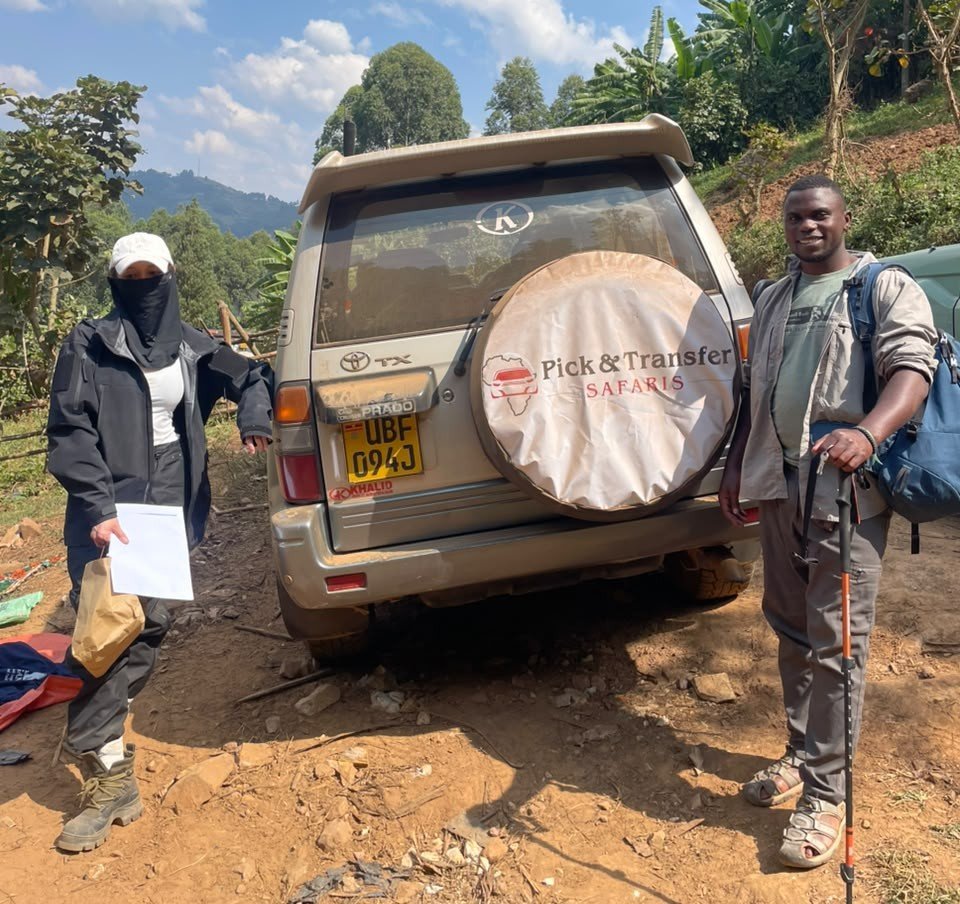
One day Uganda Gorilla Safari Starting from Kigali
It’s a long but thrilling day, and exactly the kind of efficient, “one foot in two countries, ” adventure that has made starting a gorilla safari from Kigali so popular
Tour Details →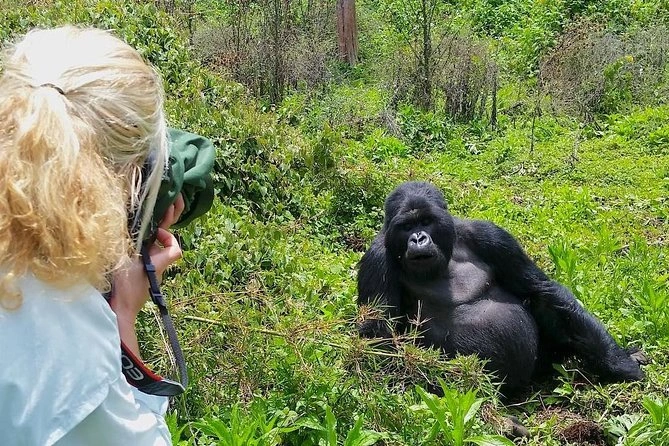
3 Days Uganda Gorilla Safari from Rwanda
This 3-day gorilla trekking package is designed to be quick, efficient, and unforgettable. Departing from Kigali, the itinerary takes advantage of Rwanda’s short distance to southwestern Uganda
Tour Details →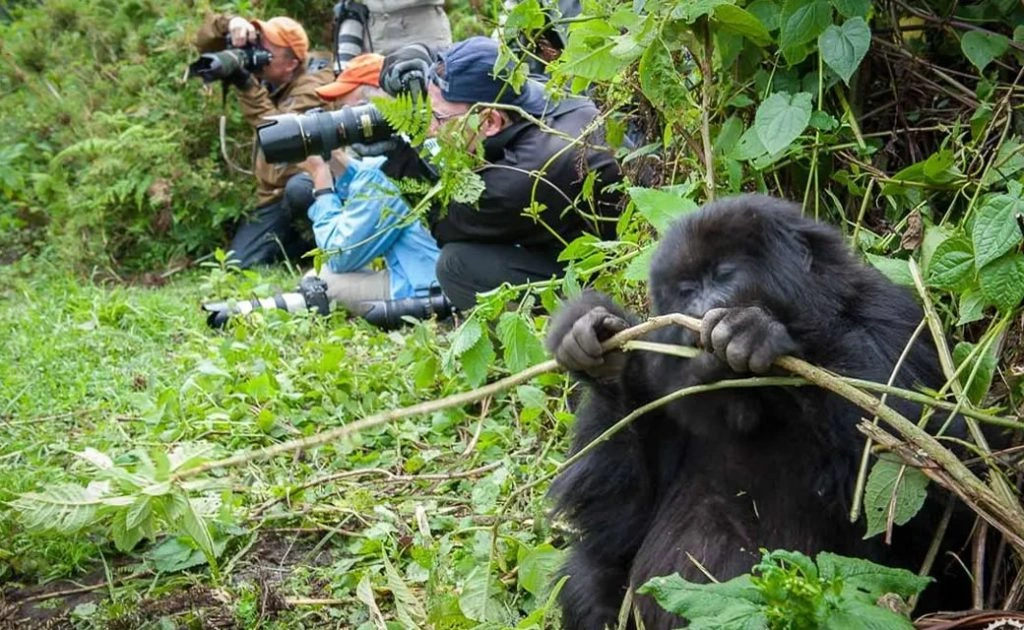
5 Days Uganda Gorilla and Chimps Safari from Rwanda
this 5-day safari is built around two of Africa’s most extraordinary forest encounters: tracking mountain gorillas in National Park and following wild chimps
Tour Details →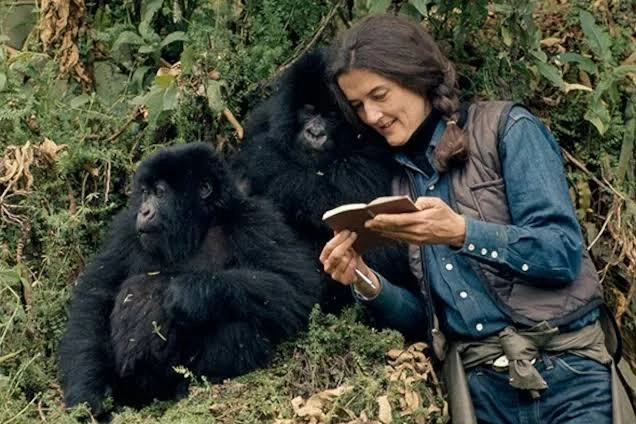
10 Days Uganda Primates and Wildlife
This 10-day Uganda Grand Safari is the most complete Uganda itinerary we offer at Pick and Transfer Safaris. It begins with a scenic northward drive from Entebbe to the vast open plains of Murchison Falls
Tour Details →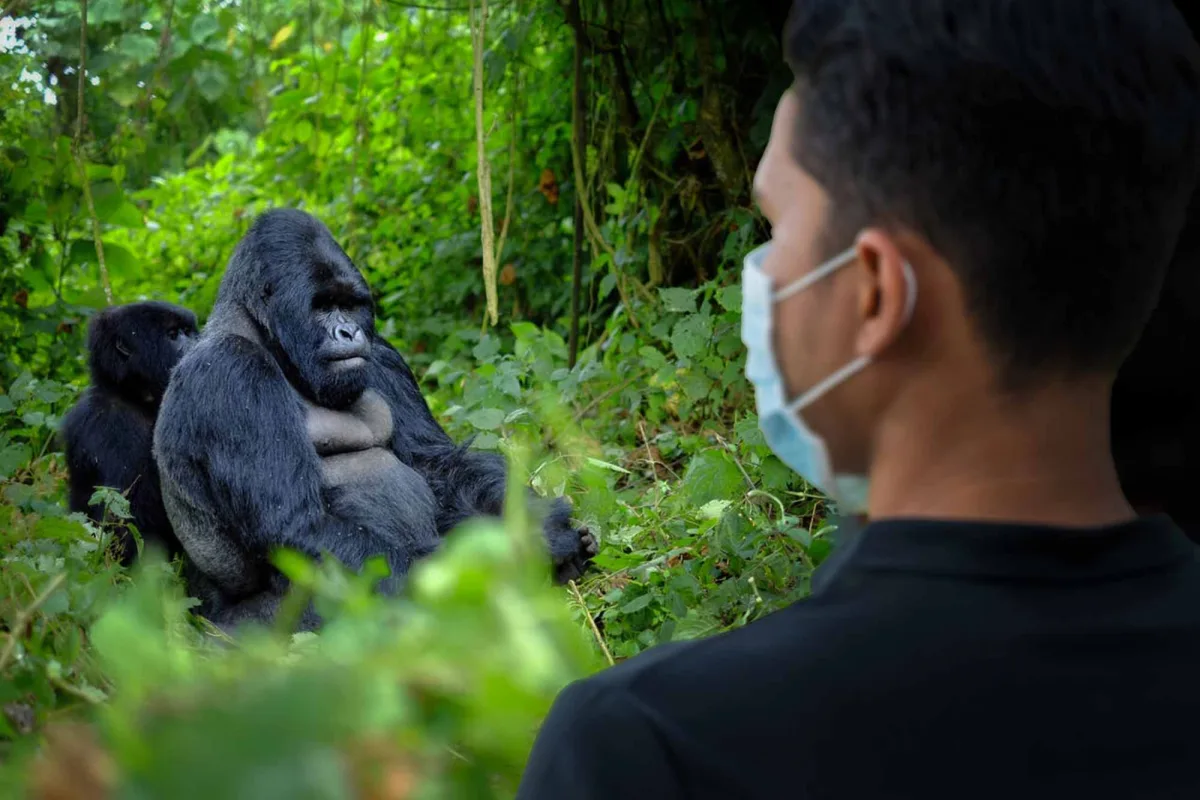
5 Days best of Rwanda Primate Safari
This 5-day Rwanda Primate Safari brings those two encounters together in a single, logically routed itinerary that begins and ends in Kigali and takes you to the two most important primate parks in Rwanda
Tour Details →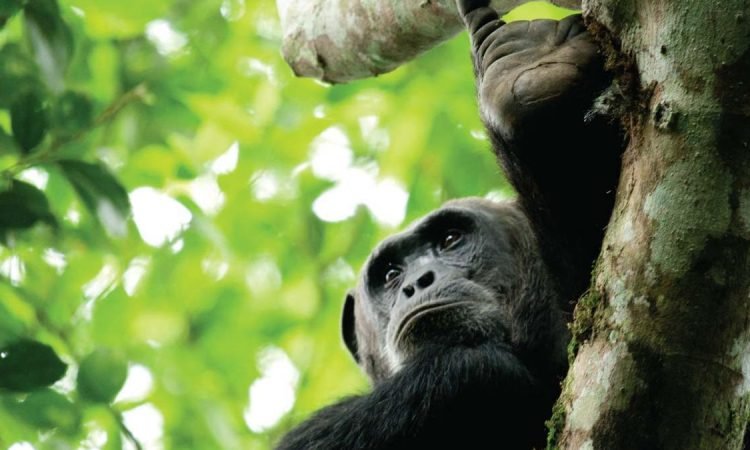
2 Days Nyungwe Chimps Tracking Trip
This 2-day trip from Kigali is built for travelers who want to experience Rwanda beyond the volcanoes: a long, scenic drive south through Rwanda’s thousand hills on day one
Tour Details →
3 Days Rwanda Gorilla Tracking and Cultural Tour
This 3-day tour pairs mountain gorilla trekking in Volcanoes National Park with a deeper look at Rwanda’s history and culture, both in Kigali City and in the communities living alongside the park itself.
Tour Details →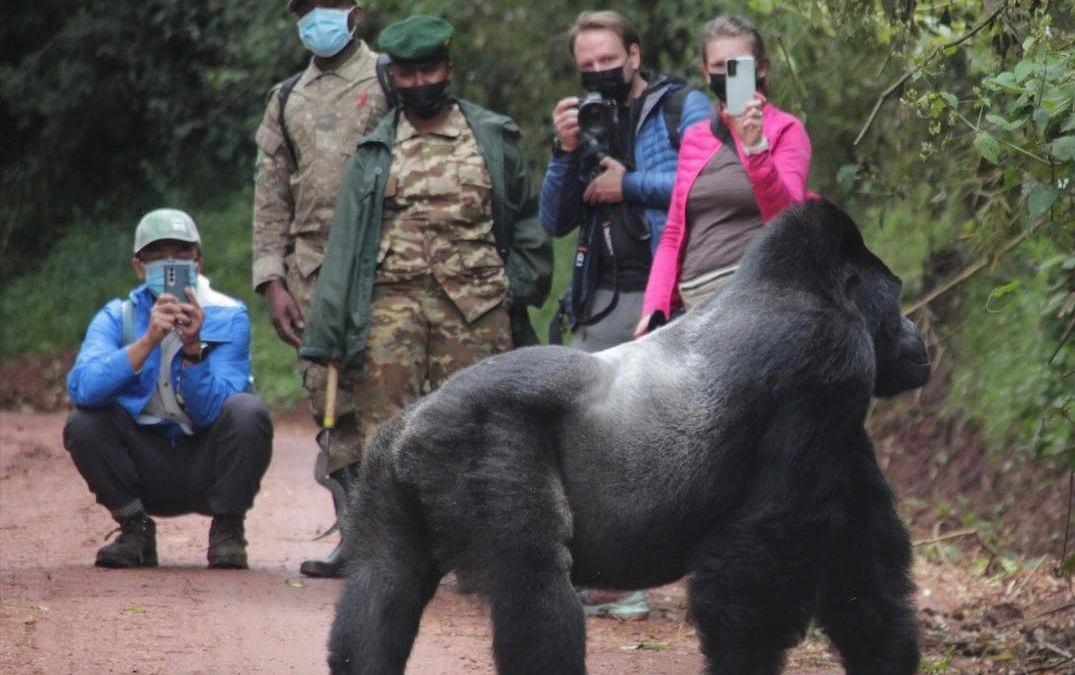
2 Days Volcanoes Gorilla Trek from Kigali
This itinerary stays entirely within Rwanda, with just a two-to-three-hour drive each way between Kigali and the foothills of the Virunga Mountains, so there’s no border paperwork to worry about.
Tour Details →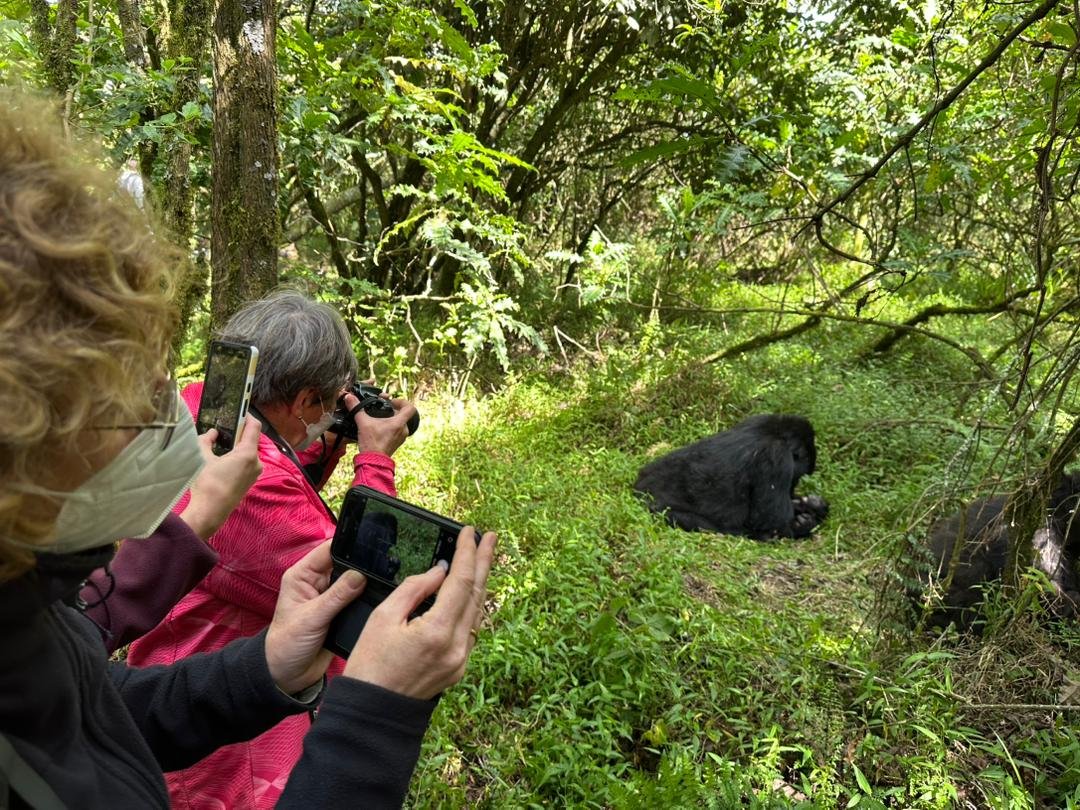
2 Days Uganda Gorilla Tour Starting from Kigali
Bwindi’s Rushaga and Nkuringo sectors sit just a few kilometres inside Uganda from the Cyanika crossing, making them the natural choice for a Kigali-based itinerary — Rushaga in particular has the greatest number of habituated gorilla families
Tour Details →