- LET'S PLAN YOUR SAFARI
- +256 200 921 002
- +256 793 194 703
- info@rwandagorillatrekkingtours.com

Gorilla Safari FAQs
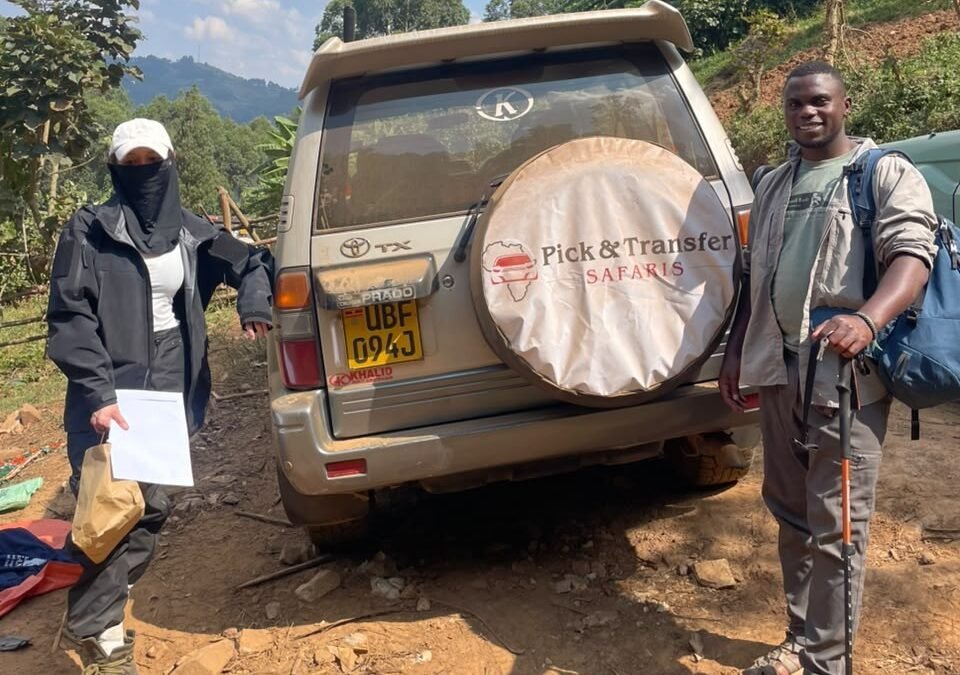
Gorilla Safari FAQs. A gorilla safari is one of the most moving wildlife experiences on Earth. Very few places let you walk into a mountain forest, follow expert trackers, and spend an hour a few metres from a wild gorilla family. Because the experience is so special and so carefully managed, travelers often have many questions before they book.
How much does a permit cost? Is it safe? How fit do you need to be? Should you trek in Rwanda or Uganda? What happens if it rains?
This guide answers the most common gorilla safari FAQs in one place. It is based on years of planning Rwanda gorilla trekking tours and cross-border safaris into Uganda. The questions are grouped by topic so you can jump straight to what you need. If your question isn’t here, our team is always happy to help you plan.
Basic Gorilla Safari FAQs
What is a gorilla safari?
A gorilla safari is a guided trip to see wild mountain gorillas in their natural habitat. The main activity is gorilla trekking: a guided hike into a protected forest with rangers and trackers to find a habituated gorilla family, followed by one hour observing them. Most gorilla safaris also include transport, accommodation, a driver-guide and often other activities such as golden monkey tracking, chimpanzee tracking or game drives.
Where can I go on a gorilla safari?
Mountain gorillas live in only two areas in the world: the Virunga Massif, shared by Rwanda, Uganda and the Democratic Republic of Congo, and Bwindi Impenetrable Forest in Uganda. The main trekking parks are:
- Volcanoes National Park in Rwanda
- Bwindi Impenetrable National Park in Uganda
- Mgahinga Gorilla National Park in Uganda
- Virunga National Park in the DRC, which has been closed to tourists amid ongoing insecurity in eastern Congo
For most travelers, the choice is between Rwanda and Uganda. Both are open, safe and well organized.
What is the difference between gorilla trekking and gorilla tracking?
In practice there is no difference. Both terms describe hiking into the forest to find and observe a habituated gorilla family. “Trekking” is more common in Rwanda and Uganda, while “tracking” is sometimes used because trackers follow the gorillas’ trail from the previous day.
What does “habituated” mean?
A habituated gorilla family has been gradually and carefully accustomed to calm human presence over about two to three years by researchers and rangers. Habituation allows visitors to watch the gorillas at close range without causing stress or fear. Only habituated families can be visited by tourists.
How many mountain gorillas are left in the world?
The most recent census figures put the wild mountain gorilla population at a little over 1,000 individuals, split between the Virunga Massif and Bwindi. Numbers have been slowly rising thanks to strong conservation, anti-poaching patrols, veterinary care and tourism revenue. That is one of the conservation success stories that your permit directly supports.
Gorilla Permit FAQs
How much does a gorilla permit cost?
Current permit prices for foreign non-resident visitors are:
- Rwanda: US$1,500 per person
- Uganda: US$800 per person
- Uganda Gorilla Habituation Experience: US$1,500 per person (up to four hours with a family, in Bwindi’s Rushaga sector)
Residents and East African citizens pay lower rates. Prices are set by the Rwanda Development Board (RDB) and the Uganda Wildlife Authority (UWA) and can change, so always confirm current rates when booking. Our guide to the Rwanda gorilla permit explains the details.
What does the gorilla permit include?
The permit covers park entry for the day, the services of rangers, trackers and armed escorts, the trek itself, and one hour with the gorilla family. It does not include transport, accommodation, meals, porters or tips.
Why is the Rwanda gorilla permit so expensive?
Rwanda follows a high-value, low-volume tourism model. The higher permit price limits visitor numbers, protects the gorillas, funds conservation, and supports communities around the park through revenue sharing. Many travelers see it as a direct contribution to the survival of the species.
How do I book a gorilla permit?
Permits can be booked directly with RDB or UWA, but most travelers book through a licensed tour operator. The operator checks availability, secures the permit with your passport details, and matches your lodge and transport to your trekking date and sector. Booking through an operator is simpler, especially when your trip includes other activities.
How far in advance should I book my gorilla permit?
For the peak dry seasons, June to September and December to February, book at least three to six months ahead. Groups and travelers with fixed dates should book even earlier. In the rainy season, permits are usually easier to secure, but booking early is still wise.
Can I buy a gorilla permit on arrival at the park?
No. Permits are limited and must be booked in advance. Arriving without one almost always means you won’t trek.
Can I get a refund if I cancel?
Permit refund policies are set by the park authorities and are generally strict. Cancellations close to the trek date are often non-refundable. Travel insurance that covers trip cancellation is strongly recommended.
What happens if I don’t see the gorillas?
Sightings are very likely because trackers locate each family early every morning. In the rare event that a group cannot find its gorillas, park authorities have policies that may allow a partial refund or rebooking. Ask your operator about current rules.
Rwanda vs Uganda Gorilla Safari FAQs
Is it better to trek gorillas in Rwanda or Uganda?
Both offer excellent encounters with habituated mountain gorillas. The best choice depends on your priorities:
Choose Rwanda if you want:
- The shortest travel time from the airport (about 2.5 hours from Kigali)
- An upscale, well-organized experience
- Bamboo and open volcanic terrain, which is often easier to trek
Choose Uganda if you want:
- A lower permit price (US$800 compared with US$1,500)
- More habituated gorilla families to choose from
- The four-hour gorilla habituation experience
- Dense, ancient rainforest scenery in Bwindi
Our guide to Uganda gorilla trekking compares the options in more detail.
Can I trek gorillas in Uganda starting from Kigali?
Yes, and it is increasingly popular. Southern Bwindi and Mgahinga are only about four to five hours from Kigali by road, much closer than from Entebbe. Many travelers fly into Kigali and trek in Uganda to save on the permit. See our Uganda safaris starting from Rwanda, including the 3 Days Uganda Gorilla Safari from Rwanda.
Kenlink Tours explains the border crossing, travel times and itineraries in its guide to the best safaris crossing to Uganda from Rwanda.
Can I trek gorillas in both Rwanda and Uganda on one trip?
Yes. A “double gorilla safari” includes one trek in each country and lets you compare two gorilla families in two different habitats. Explore our Rwanda and Uganda gorilla safari packages, or see the 5 Days Uganda–Rwanda Double Gorilla Safari offered by Kenlink Tours.
Can I combine Rwanda, Uganda and Congo on a gorilla safari?
Geographically the three countries are very close. However, the Congo section depends on security in eastern DRC, and Virunga National Park’s gorilla treks have been closed. Kenlink Tours covers the current situation and safe alternatives in its guide on whether you can combine a Rwanda, Uganda and Congo safari.
Trekking Day FAQs
What happens on gorilla trekking day?
A typical trekking day in Volcanoes National Park looks like this:
- Early breakfast at your lodge, then a short drive to the Kinigi park headquarters.
- Welcome and cultural performance while rangers organize trekking groups.
- Group allocation, with a maximum of eight visitors per gorilla family.
- Briefing on gorilla behavior, rules and safety.
- Drive to the trailhead nearest your assigned family.
- The trek, through farmland and into the forest, led by rangers and guided by trackers.
- One hour with the gorillas, watching them feed, play and rest.
- Return to the vehicle and collect your gorilla trekking certificate.
What time does gorilla trekking start?
Visitors usually arrive at the park headquarters by about 7:00 am, and treks begin shortly after the briefing, around 7:30–8:00 am.
How long does a gorilla trek take?
It depends on where the gorillas are that day. Treks can take anywhere from 30 minutes to several hours each way. Most trekkers return between late morning and mid-afternoon. Add the one hour you spend with the gorillas.
How close can I get to the gorillas?
The rule is to stay at least 7 metres away. Gorillas sometimes move closer to visitors on their own. If that happens, follow your ranger’s instructions and move back calmly if possible.
How long can I stay with the gorillas?
On a standard trek, visitors spend one hour with the gorilla family. The limit reduces stress on the gorillas and the risk of disease. For longer time, choose Uganda’s Gorilla Habituation Experience, which allows up to four hours.
How many people are in a trekking group?
A maximum of eight visitors can visit each habituated gorilla family per day. Larger groups are split across different families. Our guide to gorilla safaris in Rwanda for groups from Kenlink Tours explains how large groups are organized.
Can I choose which gorilla family to visit?
Not when booking the permit. Families are allocated at the morning briefing. Rangers consider visitors’ fitness, so tell your guide and the rangers about any concerns and they will try to assign an easier family.
Do gorilla treks go ahead in the rain?
Yes. Treks run in almost all weather, as rain is common in the mountains year-round. Bring waterproof clothing and expect muddier trails.
Fitness, Age and Health FAQs
How fit do I need to be for gorilla trekking?
A moderate level of fitness is enough for most treks. You’ll walk on uneven, sometimes steep and muddy ground at altitude (about 2,500–3,000 metres in Volcanoes National Park). Regular walking, stair climbing or hiking in the weeks before your trip helps a lot. Porters, walking sticks and a steady pace make trekking manageable for most healthy adults.
What is the minimum age for gorilla trekking?
Trekkers must be at least 15 years old in both Rwanda and Uganda. The rule protects both children and gorillas. Younger family members can enjoy cultural visits, nature walks, game drives and lake activities instead.
Is there a maximum age for gorilla trekking?
No. Many travelers in their 60s, 70s and older trek successfully. Choose an easier family if possible, hire a porter, and take your time. Our 2 Days Volcanoes Gorilla Trek from Kigali gives a relaxed pace with a night near the park.
Can I trek gorillas if I have a cold or flu?
No. Gorillas share about 98% of their DNA with humans and can catch human illnesses, which can be deadly for them. Rangers may refuse to take visitors who appear sick. If you fall ill before your trek, tell your guide.
Do I need vaccinations for a gorilla safari?
A yellow fever vaccination certificate is required for Uganda and is often checked when traveling between East African countries. Speak to a travel health clinic about other recommended vaccines and anti-malaria medication. Malaria risk is lower at the altitudes of the gorilla parks but present in other areas.
Is there a sedan chair option for travelers with limited mobility?
In some parks, local teams offer a stretcher or chair-carrying service for travelers who cannot walk the full distance, for an additional fee. Ask your operator in advance so it can be arranged.
Cost and Package FAQs
How much does a gorilla safari cost in total?
It depends on the country, the length of the trip, lodge standards and group size. As a rough guide per person, sharing and including permits:
- 1–2 day trips: about US$1,200–2,300 (lower in Uganda, higher in Rwanda)
- 3-day trips: about US$1,500–4,000+
- 5–7 day trips: about US$3,000–7,000+
- 10+ day combined safaris: about US$5,000–12,000+
Luxury lodges can raise these figures considerably.
What is usually included in a gorilla safari package?
Most packages include gorilla permits, accommodation, meals on safari, a private 4×4 vehicle with an English-speaking driver-guide, fuel, park fees for included activities, bottled water and airport transfers.
What is usually not included?
International flights, visas, travel insurance, tips, porter fees, drinks, laundry and personal expenses are usually not included.
What is the cheapest way to see gorillas?
Trekking in Uganda is the most affordable option because of the lower permit price. Flying into Kigali and taking a short trip to southern Bwindi or Mgahinga keeps both driving and costs down. Our 2 Days Uganda Gorilla Tour starting from Kigali is one of the best-value options. Traveling in the rainy season and sharing vehicles also lowers costs.
Can I do a one-day gorilla trek?
Yes. In Rwanda, a one-day trek from Kigali is possible because Volcanoes National Park is so close. A one-day trek into Uganda is possible too, with a very early start. See our One Day Uganda Gorilla Safari Starting from Kigali. Kenlink Tours covers the Rwanda version hour by hour in its guide to the one day gorilla trek in Rwanda from Kigali City.
Best Time to Go FAQs
When is the best time for a gorilla safari?
Gorilla trekking runs all year. The dry seasons, June to September and December to February, are generally the best because trails are firmer and hiking is easier. These are also the busiest months.
Can I go gorilla trekking in the rainy season?
Yes. The rainy seasons (March to May and October to November) bring lush scenery, fewer visitors and sometimes lodge discounts. Trails are muddier and more slippery, so good boots and gloves matter even more.
Is gorilla trekking possible at Christmas and New Year?
Yes, and it is a popular time. Book permits and lodges well in advance.
Packing and Photography FAQs
What should I pack for gorilla trekking?
- Waterproof hiking boots with good grip
- Gardening gloves to protect against nettles and thorny plants
- A lightweight waterproof jacket
- Long trousers, tucked into socks against ants
- A long-sleeved shirt in neutral colors
- A warm layer for cool mornings
- A small daypack, water and snacks
- A camera with spare batteries
- Insect repellent, sunscreen and a hat
- Your passport and permit copy
Remember that Rwanda bans single-use plastic bags, so pack in reusable bags.
Can I take photos of the gorillas?
Yes, but flash photography is not allowed. Turn off your flash before reaching the gorillas. A camera with good low-light performance helps, because the forest can be dim.
Can I fly a drone during a gorilla trek?
No. Drones are not permitted during gorilla treks, and national parks restrict them without special permits.
What should I wear to go gorilla trekking?
Neutral, earth-toned clothing (greens, browns, khaki) is best. Avoid very bright colors. Long sleeves and trousers protect you from nettles, insects and scratches.
Safety and Rules FAQs
Is gorilla trekking safe?
Yes. Habituated gorillas are used to calm visitors, and treks are led by experienced rangers. Armed escorts accompany groups mainly to protect against other wildlife, such as forest buffalo and elephants. Rwanda and Uganda both have strong safety records for gorilla tourism.
What should I do if a gorilla charges?
Stay calm, crouch down, look away and do not run. Mock charges by silverbacks are usually displays rather than real threats. Follow your ranger’s instructions exactly.
What are the main gorilla trekking rules?
- Stay at least 7 metres away
- Do not trek if you are sick
- No flash photography
- Keep voices low and avoid sudden movements
- Do not eat, drink or smoke near the gorillas
- Turn away and cover your mouth if you need to cough or sneeze
- Do not touch the gorillas
- Do not leave litter in the forest
- Always follow your ranger’s instructions
Are Rwanda and Uganda safe to visit?
Yes. Both countries are among the safest safari destinations in Africa and welcome thousands of gorilla trekkers every year. As anywhere, follow normal travel precautions and your guide’s advice.
Porters, Tips and Community FAQs
Should I hire a porter?
We strongly recommend it. Porters carry your daypack, help you on steep and muddy sections, and support you through the trek. Porter fees go directly to local families, and many porters come from communities that once depended on the forest. Hiring one is an easy way to support conservation.
How much should I tip on a gorilla safari?
Tipping is customary but voluntary. Consider tipping your porter, the rangers and trackers, and your driver-guide. Your guide can suggest appropriate amounts.
How does gorilla tourism help local communities?
A share of park revenue goes to community projects around the parks, such as schools, health centers, water supply and roads. Tourism also creates jobs for porters, guides, lodge staff and craft makers. That gives local people a strong reason to protect the gorillas.
Accommodation FAQs
Where do I stay for gorilla trekking in Rwanda?
Most visitors stay near Kinigi, close to the park headquarters, or in Musanze town about 30 minutes away. Options range from budget guesthouses to world-class luxury lodges. Staying close to the park means a shorter drive on trekking morning.
Where do I stay for gorilla trekking in Uganda?
Stay near the sector where your permit is booked. In Bwindi, that is Buhoma, Ruhija, Rushaga or Nkuringo. For Mgahinga, stay in Kisoro or at lodges near the park. Kenlink Tours lists options in its guide to lodges near Mgahinga Gorilla National Park.
Can I stay in Kigali and do a gorilla trek?
Yes, with a one-day Rwanda trek. You’ll need a very early start, around 4:00 am.
Travel Logistics FAQs
Which airport should I fly into for a gorilla safari?
Kigali International Airport is the most convenient for Rwanda’s Volcanoes National Park and for southern Bwindi and Mgahinga in Uganda. Entebbe International Airport suits longer Uganda safaris that include Queen Elizabeth, Kibale or Murchison Falls. Many travelers fly into Kigali and out of Entebbe for a one-way route.
Do I need a visa for a gorilla safari?
Most visitors need a visa. The East Africa Tourist Visa (about US$100) covers Rwanda, Uganda and Kenya with multiple entries for 90 days, which makes it ideal for combined trips. Kenlink Tours explains the rules in its guide on whether you need a visa to travel to Uganda. Always confirm current requirements before you travel.
How long is the drive from Kigali to Volcanoes National Park?
About 2.5 hours on a paved road.
How long is the drive from Kigali to Bwindi?
About 4 to 5 hours to the southern sectors (Rushaga and Nkuringo) via the Cyanika border. The northern sectors take longer.
Is there a time difference between Rwanda and Uganda?
Yes. Uganda is one hour ahead of Rwanda.
Extending Your Gorilla Safari FAQs
What else can I do on a gorilla safari in Rwanda?
Rwanda has plenty to add to a gorilla trek:
- Golden monkey tracking in Volcanoes National Park
- The Dian Fossey hike to the famous primatologist’s grave and research site
- Chimpanzee tracking in Nyungwe Forest National Park
- Big Five game drives in Akagera National Park
- A city tour of Kigali, including the Genocide Memorial
Our 5 Days Best of Rwanda Primate Safari and 3 Days Rwanda Gorilla Tracking and Cultural Tour combine several of these.
What else can I do on a gorilla safari in Uganda?
Uganda adds chimpanzee tracking in Kibale Forest, game drives and boat cruises in Queen Elizabeth National Park, and the dramatic Murchison Falls. Our 5 Days Uganda Gorilla and Chimps Safari starting from Rwanda is a popular combination.
For deciding between Uganda’s two main chimpanzee forests, Kenlink Tours compares them in Kibale Forest vs Kalinzu Forest.
What is the best longer gorilla safari?
For travelers with a week or more, our 10 Days Uganda Rwanda Safari and 15 Days Rwanda Uganda Safari cover gorillas, chimpanzees, savannah wildlife and culture in both countries. Kenlink Tours offers similar itineraries in its range of tours combining Uganda and Rwanda.
Booking and Planning FAQs
How do I choose a good gorilla safari operator?
Look for:
- A licensed, registered company with a physical office
- Experience in both Rwanda and Uganda
- Clear, written quotes showing what is and isn’t included
- Good independent reviews
- Honest advice on permits, seasons and fitness
- Responsive communication before you book
Can I customize my gorilla safari?
Yes. Most reputable operators, including us, create tailor-made itineraries around your dates, budget, interests and fitness. You can add golden monkeys, chimpanzees, volcano hikes, lakes or game drives.
Can students join a gorilla safari as part of their studies?
Yes, as long as they are 15 or older. Students studying tourism, conservation or hospitality can also gain field experience through internships with tour operators. Kenlink Tours covers this in its guide to the best internship companies for tourism in Uganda.
How do I book a gorilla safari with you?
Tell us your travel dates, number of travelers, preferred country and budget. We check permit availability, send a tailor-made itinerary and quote, and secure your permits once you confirm. Contact us to start planning, or learn more about us.
Plan Your Gorilla Safari with Confidence
We hope these gorilla safari FAQs have answered your questions. Mountain gorilla trekking is a rare privilege: an hour in the forest with one of our closest living relatives, and a trip that directly supports conservation and local communities.
Whether you choose a short trek in Rwanda’s Volcanoes National Park, a good-value trip to Uganda from Kigali, or a longer safari through both countries, careful planning makes the difference. Browse our Rwanda gorilla trekking tours, or get in touch for a free, tailor-made quote. For more planning ideas, see Kenlink Tours’ gorilla trekking adventures.