- LET'S PLAN YOUR SAFARI
- +256 200 921 002
- +256 793 194 703
- info@rwandagorillatrekkingtours.com

Can i cross from Rwanda to Uganda for Gorilla Trek
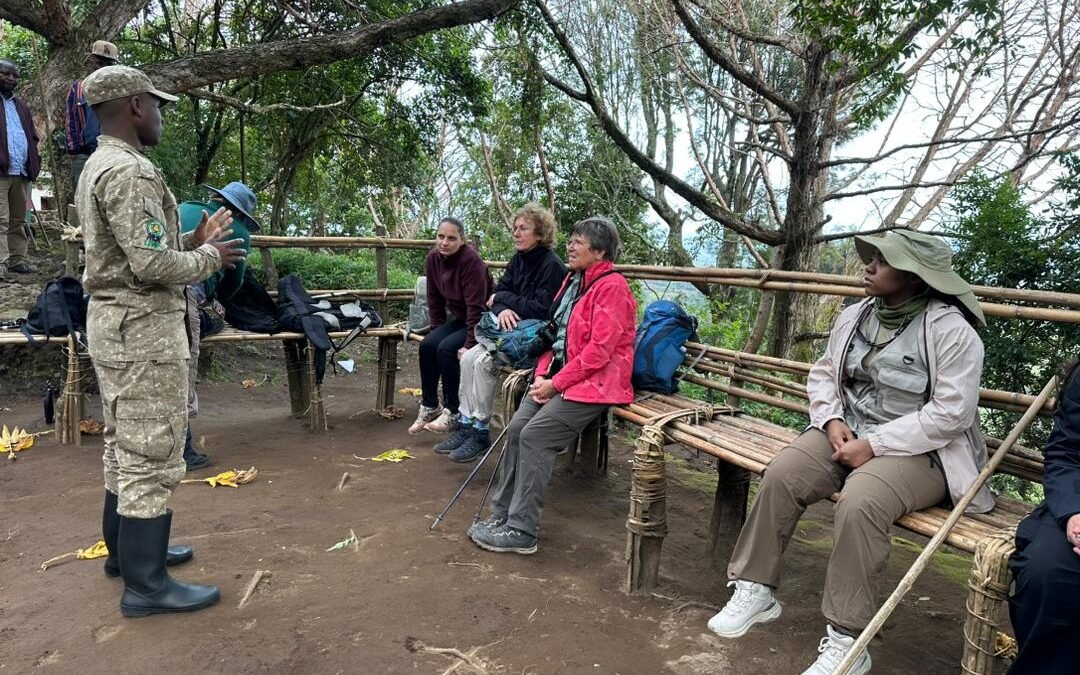
Can i cross from Rwanda to Uganda for Gorilla Trek. Yes, you can cross from Rwanda to Uganda for a gorilla trek, and it is one of the smartest ways to see mountain gorillas in East Africa. Every week, travelers land at Kigali International Airport, drive a few hours north through Rwanda’s terraced hills, cross the border into Uganda, and trek gorillas in Bwindi Impenetrable National Park or Mgahinga Gorilla National Park. Many then return to Kigali for their flight home, while others continue deeper into Uganda for chimpanzees, tree-climbing lions and the Nile.
This route is popular for good reasons. Kigali is much closer to Uganda’s southern gorilla parks than Uganda’s own international airport at Entebbe, and Uganda’s gorilla permit costs a little over half the price of Rwanda’s. Crossing the border is routine, and with the right visa and an experienced driver-guide it usually takes under an hour.
This guide explains how the crossing works, which border to use, what documents you need, how long the drive takes, what it costs, which itineraries work best, and how to prepare. By the end you’ll know exactly how to plan a gorilla trek in Uganda starting from Rwanda. You can also browse our full collection of Uganda safaris starting from Rwanda as you read.
Why Cross from Rwanda to Uganda for Gorilla Trekking?
Distance is the main reason. Bwindi’s southern sectors of Rushaga and Nkuringo, and Mgahinga Gorilla National Park, lie in the far southwest of Uganda, right next to the Rwandan border. From Kigali, you can reach them in about four to five hours on mostly paved roads. From Entebbe, the same journey can take nine to ten hours or more. For travelers flying into East Africa to see gorillas, starting in Kigali can save a full day of driving in each direction.
Cost is the second reason. Uganda’s gorilla permit is issued by the Uganda Wildlife Authority and costs eight hundred US dollars per person for foreign non-residents, while Rwanda’s permit costs fifteen hundred US dollars. For a couple, trekking in Uganda instead of Rwanda saves fourteen hundred dollars on permits alone, even after accounting for the slightly longer drive. Many travelers put that saving toward better lodges, an extra activity or a longer trip.
The third reason is choice. Bwindi has more habituated gorilla families than any other park, spread across four sectors, and Rushaga is the only place in the world that offers the four-hour gorilla habituation experience. Crossing into Uganda also opens up the rest of the country, including chimpanzee forests, savannah parks and the highland lakes of the southwest. Our guide to Uganda gorilla trekking explains these options in more detail.
Which Ugandan Gorilla Parks Can You Reach from Rwanda?
Two Ugandan parks are within easy reach of the Rwandan border, and knowing the difference between them will help you choose the right trip.
Bwindi Impenetrable National Park protects nearly half of the world’s mountain gorillas in a dense, ancient rainforest of steep valleys and thick vegetation. It is a UNESCO World Heritage Site with four trekking sectors. Rushaga in the south has the most habituated gorilla families and offers the habituation experience, while Nkuringo in the southwest is known for dramatic ridge-top scenery and quieter trails. Both are the natural choices for travelers coming from Rwanda. The northern sectors of Buhoma and Ruhija can also be reached from Rwanda, but they take longer.
Mgahinga Gorilla National Park is Uganda’s part of the Virunga volcanoes, the same mountain range as Rwanda’s Volcanoes National Park. It is the closest Ugandan gorilla park to Rwanda, just a short drive from the Cyanika border and the town of Kisoro. Besides gorilla trekking, Mgahinga offers golden monkey tracking, the Batwa Trail, and volcano hikes including Mount Sabyinyo, where you can stand in three countries at once. Kenlink Tours lists good places to stay in its guide to lodges near Mgahinga Gorilla National Park.
The Border Crossings Between Rwanda and Uganda
Two border posts are used by nearly all gorilla trekkers crossing from Rwanda into Uganda. Which one you use depends on where your gorilla permit is booked.
The Cyanika border lies north of Musanze, the gateway town for Rwanda’s Volcanoes National Park. It is the best crossing for Mgahinga and for Bwindi’s Rushaga and Nkuringo sectors. The road from Kigali to Cyanika is paved, scenic and generally quiet, and Kisoro town is only a short drive beyond the border on the Ugandan side. Because Cyanika carries much less commercial traffic than the main crossing, formalities are usually quicker, and it is the crossing most gorilla trekkers use.
The Katuna border, known as Gatuna on the Rwandan side, lies on the main highway between Kigali and Kabale. It is the main commercial crossing between the two countries and is best for travelers heading to Lake Bunyonyi, Bwindi’s Ruhija and Buhoma sectors, Queen Elizabeth National Park and destinations further north. It carries heavy truck traffic, which can cause delays, so crossing early in the morning is best.
Your tour operator will choose the right border based on your trekking sector and the rest of your itinerary. Kenlink Tours explains how operators handle this leg in its guide to companies that do transfers from Rwanda to Bwindi, Uganda.
What Happens at the Border
Crossing from Rwanda to Uganda is straightforward. When you arrive at the Rwandan side, you go into the immigration office with your passport to receive an exit stamp. Your driver handles the vehicle paperwork. You then walk or drive a short distance to the Ugandan side, where you present your passport, visa or visa approval and yellow fever certificate, and complete a short arrival form if requested. Once your entry is stamped, you rejoin your vehicle and continue your journey.
With a professional driver-guide who knows the procedures, the whole process usually takes between thirty minutes and an hour. It can take longer at busy times, especially at Katuna, which is one reason experienced operators plan early crossings. Carry your documents in a small bag that is easy to reach, and keep your printed permit and accommodation confirmations with you in case officials ask about the purpose of your visit.
Don’t forget the time difference. Rwanda uses Central Africa Time and Uganda uses East Africa Time, so your watch moves forward one hour when you enter Uganda. Guides factor this into early trekking briefings, but it’s worth remembering for meal times and phone calls home.
Visa Requirements for Crossing from Rwanda to Uganda
You’ll need a valid visa for both countries, and the easiest option is the East Africa Tourist Visa. It costs about one hundred US dollars, covers Rwanda, Uganda and Kenya, and allows multiple entries between the three countries for ninety days. You apply online through the immigration service of the country where you’ll land first, so if you’re flying into Kigali, you apply through Rwanda’s portal. Once approved, the single visa lets you cross into Uganda for your gorilla trek and back to Rwanda for your flight home without buying another visa.
If you prefer, you can buy separate visas for each country, but this usually costs more and requires two applications. If you plan to cross into Uganda and return to Rwanda, make sure your Rwandan visa allows re-entry, since a single-entry visa will not. Kenlink Tours explains current requirements in its guide on whether you need a visa to travel to Uganda. Visa rules and fees change, so always confirm them shortly before you travel.
Your passport should be valid for at least six months beyond your travel dates and have blank pages for stamps. You also need a yellow fever vaccination certificate, which Ugandan immigration checks. Carry the original certificate with your passport.
How Long Is the Drive from Kigali to Uganda’s Gorilla Parks?
Driving times depend on your destination and the border you use. From Kigali to the Cyanika border takes about two and a half to three hours on good paved roads through Musanze. From the border, Mgahinga’s park headquarters is roughly thirty to forty minutes away, so the whole journey from Kigali to Mgahinga usually takes about three and a half to four hours.
To reach Bwindi’s Rushaga sector, you continue past Kisoro on a winding road through the hills around Lake Mutanda. The total journey from Kigali usually takes about four to five hours. Nkuringo takes a similar amount of time, with a spectacular final stretch along the ridge above the forest.
The northern sectors take longer. Ruhija is usually reached through the Katuna border and Kabale, taking about five to six hours from Kigali, while Buhoma can take seven hours or more. For this reason, most travelers crossing from Rwanda book permits in Rushaga, Nkuringo or Mgahinga.
Can I Cross from Rwanda to Uganda and Trek Gorillas in One Day?
Yes, a one-day gorilla trek into Uganda from Kigali is possible, but it’s a very long day. You typically leave Kigali around three in the morning, cross the border as it opens, reach the park headquarters in time for the morning briefing, trek the gorillas, and then drive back to Kigali, arriving late at night. It suits travelers who have only one day and want the lower Uganda permit price.
For most travelers, though, staying one night near the park is far more comfortable and leaves more energy for the trek itself. Our One Day Uganda Gorilla Safari Starting from Kigali is designed for those with no extra time. Our 2 Days Uganda Gorilla Tour Starting from Kigali adds an overnight stay near the park and is the more relaxed option.
The Best Itineraries for Crossing from Rwanda to Uganda
The right itinerary depends on how many days you have and what else you want to see. The shortest comfortable trip is two days. You drive from Kigali to southern Bwindi or Mgahinga on the first day, trek the gorillas on the second morning, and drive back to Kigali that afternoon. It is efficient, affordable and ideal for travelers on a short visit to Rwanda.
A three-day trip adds breathing room. You drive to the park on the first day, trek on the second and have the afternoon for a Batwa cultural walk or a village visit, then return to Kigali on the third day with time for a stop at Lake Mutanda or Lake Bunyonyi. Our 3 Days Uganda Gorilla Safari from Rwanda follows this relaxed plan, and our 3 Days Uganda Gorilla Safari offers a similar experience.
Five days allows you to add a second great ape. After trekking gorillas in Bwindi, you continue north to Kibale Forest for chimpanzee tracking, passing through Queen Elizabeth National Park on the way. Our 5 Days Uganda Gorilla and Chimps Safari starting from Rwanda is built around this route. With a week or more, you can combine gorillas in both countries with savannah wildlife and chimpanzees. Our 10 Days Uganda Rwanda Safari covers the highlights of both nations.
Combining a Rwanda Gorilla Trek with a Uganda Gorilla Trek
Some travelers want to trek gorillas on both sides of the border, and crossing from Rwanda to Uganda makes this easy. A double gorilla safari usually starts with a trek in Rwanda’s Volcanoes National Park, followed by a crossing at Cyanika and a second trek in Bwindi’s southern sectors or Mgahinga a day or two later.
The two experiences feel very different. Rwanda’s gorillas live on bamboo-covered volcanic slopes, while Bwindi’s live in dense rainforest with deep valleys and thick undergrowth. Meeting two different gorilla families in two habitats gives you a much fuller understanding of these great apes, and many travelers find the second trek even more rewarding because they know what to expect. Our Rwanda and Uganda gorilla safari packages include several double-trek options, and Kenlink Tours offers a 5 Days Uganda–Rwanda Double Gorilla Safari built around this plan.
Adding Golden Monkeys Before You Cross
Golden monkeys are endangered primates found only in the Virunga volcanoes, and they make a good addition to a cross-border gorilla trip. You can track them in Rwanda’s Volcanoes National Park on the morning you cross the border, since the park is right on the way to Cyanika. Tracking usually finishes by late morning, leaving time to cross into Uganda and reach your lodge near Mgahinga or Rushaga by the afternoon.
This combination gives you two primate species in two countries in just a few days, while trekking gorillas at the lower Uganda permit price. You can arrange golden monkey tracking in Rwanda as part of your itinerary. Kenlink Tours runs a similar 4-Day Rwanda–Uganda Golden Monkey and Gorilla Trekking safari. Golden monkeys can also be tracked on the Ugandan side in Mgahinga if you prefer to keep all your permits in Uganda.
How Much Does It Cost to Cross from Rwanda to Uganda for a Gorilla Trek?
The largest cost is the Uganda gorilla permit at eight hundred US dollars per person. Beyond that, costs depend on the length of the trip, your choice of accommodation and the number of travelers sharing the vehicle.
As a rough guide, including the permit and sharing with one other person, a one-day trek from Kigali usually costs around twelve hundred to fifteen hundred US dollars per person. A two-day trip usually costs around twelve hundred to seventeen hundred, and a three-day trip around fourteen hundred to twenty-eight hundred, depending on lodge standards. Longer trips that include chimpanzees and savannah parks cost more, and luxury lodges raise the price considerably.
Packages typically include the gorilla permit, a private four-wheel-drive vehicle with an English-speaking driver-guide, fuel, accommodation and meals on safari, and drinking water. Visas, international flights, travel insurance, tips, porter fees and personal expenses are usually extra. Even with the longer drive, crossing into Uganda is usually cheaper overall than trekking in Rwanda, which is why so many travelers choose this route.
Where to Stay After Crossing into Uganda
Where you stay matters a great deal on a gorilla trek, because you need to reach the park headquarters early on trekking morning. The most important rule is to stay near the sector where your permit is booked. Bwindi is a large park, and a lodge in one sector can be hours from another sector’s trailheads.
For Rushaga, there are lodges across all budgets on the hills around the sector, and many travelers also stay at Lake Mutanda, which has beautiful views of the Virunga volcanoes. For Nkuringo, lodges perch on the ridge above the forest with spectacular views. For Mgahinga, you can stay in or near Kisoro town or at lodges close to the park gate. Kenlink Tours reviews some of the best options in its guide to gorilla trekking safaris in Uganda with nice lodges.
If you prefer to stay on the Rwandan side and cross only for the trek, you can base yourself in Musanze or near Volcanoes National Park and make an early crossing on trekking day. This works well for Mgahinga, which is close to the border.
What to Expect on Gorilla Trekking Day in Uganda
Gorilla trekking day in Uganda begins early. After breakfast, your driver-guide takes you to the park headquarters for your sector, where rangers check your permit and passport and divide visitors into groups of no more than eight people per gorilla family. A briefing explains the rules, the gorilla family you’ll visit and what to expect on the trail.
Your group then sets off with rangers and armed escorts, following directions from trackers who went ahead at dawn to find the gorillas. In Bwindi, trails often descend into steep valleys through dense vegetation, while in Mgahinga they climb volcanic slopes through bamboo. Treks can last from under an hour to several hours each way, depending on where the gorillas moved overnight.
When you reach the family, you spend one hour watching them feed, groom, play and rest. Afterward, you walk back to the headquarters, collect your gorilla trekking certificate, and return to your lodge or begin the drive back to Rwanda. Kenlink Tours has ideas for filling the rest of the day in its guide to Kibale Forest vs Kalinzu Forest, useful if your trip continues north for chimpanzees.
Can I Hire a Car and Drive Myself from Rwanda to Uganda?
Self-driving across the border is possible, but it’s more complicated than joining a guided trip. You’ll need a vehicle with cross-border permission from the rental company, a COMESA insurance certificate that covers both countries, and the vehicle’s registration documents. You’ll also need to be confident driving on winding mountain roads, some of which are unpaved and slippery after rain.
For most travelers, especially first-time visitors, a guided trip with a professional driver-guide is the better choice. The guide handles the border paperwork, knows the roads and park procedures, and makes sure you reach the headquarters on time on trekking morning. Kenlink Tours offers four-wheel-drive vehicles with or without drivers through its car hire service for travelers who want more independence.
The Best Time to Cross from Rwanda to Uganda for Gorilla Trekking
Gorilla trekking runs all year in Uganda, and the border crossings are open throughout the year. The most popular times are the dry seasons, from June to September and from December to February, when trails are firmer and hiking is easier. These months are also the busiest, so book permits several months in advance.
The rainy seasons, from March to May and from October to November, bring lush green forests, fewer visitors and occasional lodge discounts. Trails are muddier and treks can feel harder, but gorillas are seen just as reliably. Roads to the parks are usually passable year-round, although some unpaved stretches near the parks can be slow after heavy rain.
Fitness and Health Tips for Your Cross-Border Trek
Gorilla trekking in Uganda requires a moderate level of fitness, and Bwindi’s terrain is often steeper and denser than Rwanda’s. Regular walking, hiking or stair climbing before your trip will make the trek more enjoyable. When you arrive at the headquarters, tell the rangers about any fitness concerns so they can assign you to a more accessible family if one is available.
Hiring a porter is one of the best things you can do. Porters carry your daypack, help you on steep and muddy sections, and earn valuable income for families living near the park. Walking sticks are usually available at the trailhead. The minimum age for gorilla trekking is fifteen, and there is no upper age limit. If you feel unwell before your trek, tell your guide, because gorillas can catch human illnesses and rangers may not allow sick visitors to trek.
What to Pack for Crossing to Uganda for a Gorilla Trek
Pack your travel documents in a small, easy-to-reach bag for the border: your passport, printed visa approval, yellow fever certificate, gorilla permit and accommodation confirmations. Carry some clean US dollar notes printed in 2013 or later, since older or damaged notes are often refused in Uganda.
For the trek itself, bring waterproof hiking boots with good grip, gardening gloves for grabbing vegetation, a lightweight rain jacket, long trousers and long-sleeved shirts in neutral colors, and a warm layer for cool mornings. A small daypack with water, snacks and your camera is essential, and remember that flash photography is not allowed near the gorillas. Rwanda bans single-use plastic bags, so pack in reusable bags before arriving.
Common Questions About Crossing from Rwanda to Uganda
Travelers often ask whether the crossing is safe. It is. Both Cyanika and Katuna are busy, well-managed border posts used every day by tourists, traders and local residents, and relations between the two countries are good. Traveling with a licensed operator makes the process even simpler.
Another common question is whether you can return to Rwanda after trekking in Uganda. You can, as long as your visa allows re-entry. The East Africa Tourist Visa covers this with multiple entries. Many travelers cross into Uganda for one or two days and then return to Kigali for their flight home.
Travelers also ask whether they need to book the permit before crossing. You do. Gorilla permits must be booked in advance through the Uganda Wildlife Authority or a licensed tour operator, and you cannot buy one at the park on the day. For more answers, see our gorilla safari FAQs, or read Kenlink Tours’ guide to the best safaris crossing to Uganda from Rwanda.
Continuing Your Journey Beyond the Gorillas
Once you’ve crossed into Uganda, much of the country is within reach. North of Bwindi, Queen Elizabeth National Park offers game drives, tree-climbing lions in the Ishasha sector and boat cruises on the Kazinga Channel. Further north, Kibale Forest National Park is one of Africa’s best places for chimpanzee tracking, and Murchison Falls National Park adds the powerful falls of the Nile.
Travelers with more time often fly into Kigali and out of Entebbe, which avoids backtracking and makes good use of every day. Our 15 Days Rwanda Uganda Safari follows this kind of route, and Kenlink Tours offers similar journeys in its range of tours combining Uganda and Rwanda.
Why Book Your Cross-Border Gorilla Trek with Us
Planning a gorilla trek that crosses from Rwanda into Uganda involves permits, visas, border logistics, lodges matched to trekking sectors, and careful timing. Our team plans these trips every week. We secure your gorilla permit with the Uganda Wildlife Authority, arrange a comfortable four-wheel-drive vehicle with an experienced driver-guide who knows both sides of the border, book lodges close to your trekking sector, and design the itinerary around your dates and budget.
Whether you want a short trip from Kigali, a relaxed three-day safari or a longer journey through both countries, we’ll help you plan it. You can explore our Rwanda gorilla trekking tours, learn more about us, or read about combining gorilla safaris for Rwanda and Uganda.
Start Planning Your Rwanda to Uganda Gorilla Trek
So, can you cross from Rwanda to Uganda for a gorilla trek? Yes, and for many travelers it’s the best way to see mountain gorillas. You save time by flying into Kigali, save money with Uganda’s lower permit price, and choose from more gorilla families in Bwindi and Mgahinga. With the right visa and an experienced guide, the border crossing is simple.
Tell us your travel dates, number of travelers and preferred trip length, and we’ll check permit availability and send you a free, tailor-made itinerary. Contact us today to start planning your gorilla trek from Rwanda to Uganda.