- LET'S PLAN YOUR SAFARI
- +256 200 921 002
- +256 793 194 703
- info@rwandagorillatrekkingtours.com

Combining Gorilla Safaris for Rwanda and Uganda
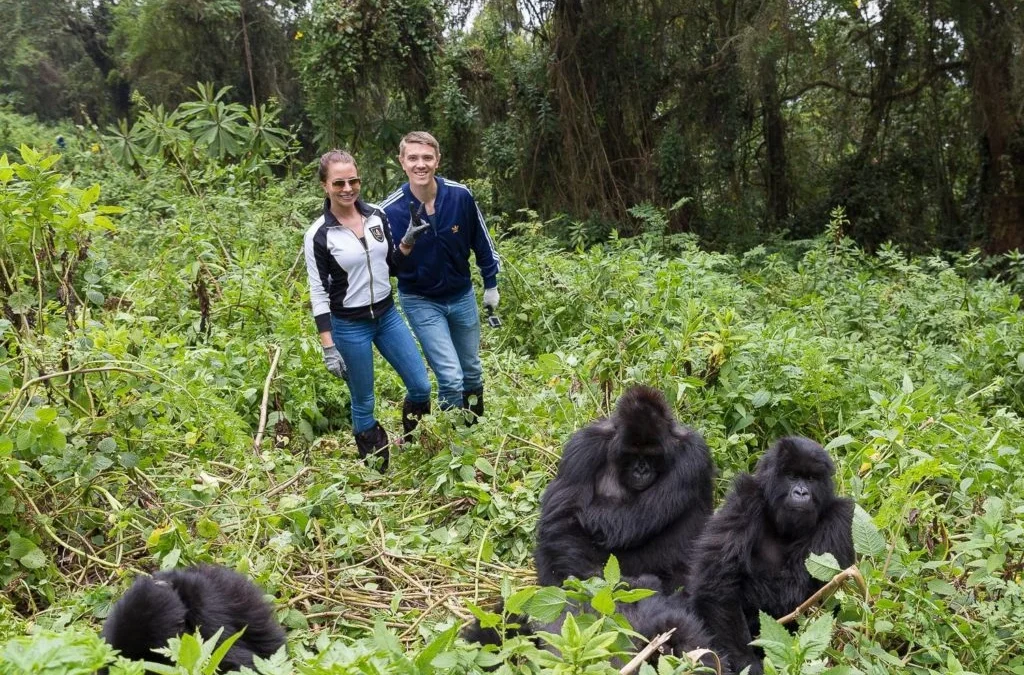
Combining Gorilla Safaris for Rwanda and Uganda. Few wildlife experiences compare to sitting quietly on a forest slope while a family of mountain gorillas feeds, plays and rests around you. Only a handful of places in the world offer this, and two of the best, Rwanda and Uganda, share a border. That is why combining gorilla safaris for Rwanda and Uganda has become one of the most popular ways to explore East Africa. In a single well-planned trip you can trek gorillas in two countries, compare two very different habitats, add chimpanzees, golden monkeys and savannah wildlife, and experience the cultures of both the “Land of a Thousand Hills” and the “Pearl of Africa.”
This guide explains how a combined Rwanda and Uganda gorilla safari works, why it is worth doing, which parks to include, how to route the trip, what it costs, and the practical details that make crossing between the two countries simple. Whether you have five days or two weeks, it will help you plan a trip that makes the most of both destinations. You can browse our full range of Rwanda and Uganda gorilla safari packages as you read.
Why Combine Gorilla Safaris in Rwanda and Uganda?
The main reason to combine the two countries is that each offers a different gorilla experience. In Rwanda, gorillas live on the bamboo-covered slopes of the Virunga volcanoes. In Uganda’s Bwindi Impenetrable Forest, they live in a dense, ancient rainforest of deep valleys and tangled undergrowth. Trekking in both lets you see how the same species adapts to two contrasting environments, and meeting two different gorilla families gives you two quite different encounters. Many travelers say the second trek is even more rewarding than the first, because they are more relaxed and can take in details they missed the first time.
The combination also makes practical sense. Kigali International Airport is closer to Uganda’s southern gorilla parks than Uganda’s own international airport at Entebbe. That means you can fly into Rwanda and reach Bwindi or Mgahinga in about four to five hours, instead of spending a whole day driving from Entebbe. The two countries also complement each other well. Rwanda offers polished tourism, excellent roads and the moving history of Kigali, while Uganda adds wide variety, from tree-climbing lions and hippo-filled channels to chimpanzee forests and the Nile.
Budget is another consideration. Rwanda’s gorilla permit costs considerably more than Uganda’s, so many travelers enjoy Rwanda’s other highlights and trek gorillas in Uganda, or trek once in each country to experience both without paying the higher permit twice.
Understanding the Gorilla Parks in Rwanda and Uganda
Before choosing an itinerary, it helps to understand the three parks where combined gorilla safaris take place. Each has its own character, and knowing the differences will help you decide how to divide your time.
Volcanoes National Park in northwestern Rwanda covers the Rwandan side of the Virunga Massif. It is about two and a half hours from Kigali on a paved road, which makes it the most accessible gorilla park in the world. Treks begin at the Kinigi park headquarters with a morning briefing and a traditional dance performance, then lead through farmland into bamboo forest and up the slopes of the volcanoes. The park also offers golden monkey tracking, the hike to Dian Fossey’s grave and research site, and climbs to volcanic crater lakes. Our page on Volcanoes National Park covers the park in more detail.
Bwindi Impenetrable National Park in southwestern Uganda is home to nearly half of the world’s mountain gorillas and is a UNESCO World Heritage Site. It has four trekking sectors: Buhoma in the north, Ruhija in the east, Rushaga in the south and Nkuringo in the southwest. For travelers coming from Rwanda, Rushaga and Nkuringo are the closest. Rushaga has the largest number of habituated gorilla families and is the only sector that offers the four-hour gorilla habituation experience.
Mgahinga Gorilla National Park is Uganda’s part of the Virunga Massif and its smallest national park. It sits right next to the Rwandan border near Kisoro, which makes it the easiest Ugandan gorilla park to reach from Rwanda. Besides gorilla trekking, Mgahinga offers golden monkey tracking, the Batwa Trail and volcano hikes, including Mount Sabyinyo, where you can stand in Uganda, Rwanda and Congo at the same time. Kenlink Tours has a helpful guide to lodges near Mgahinga Gorilla National Park for travelers planning to stay in this area.
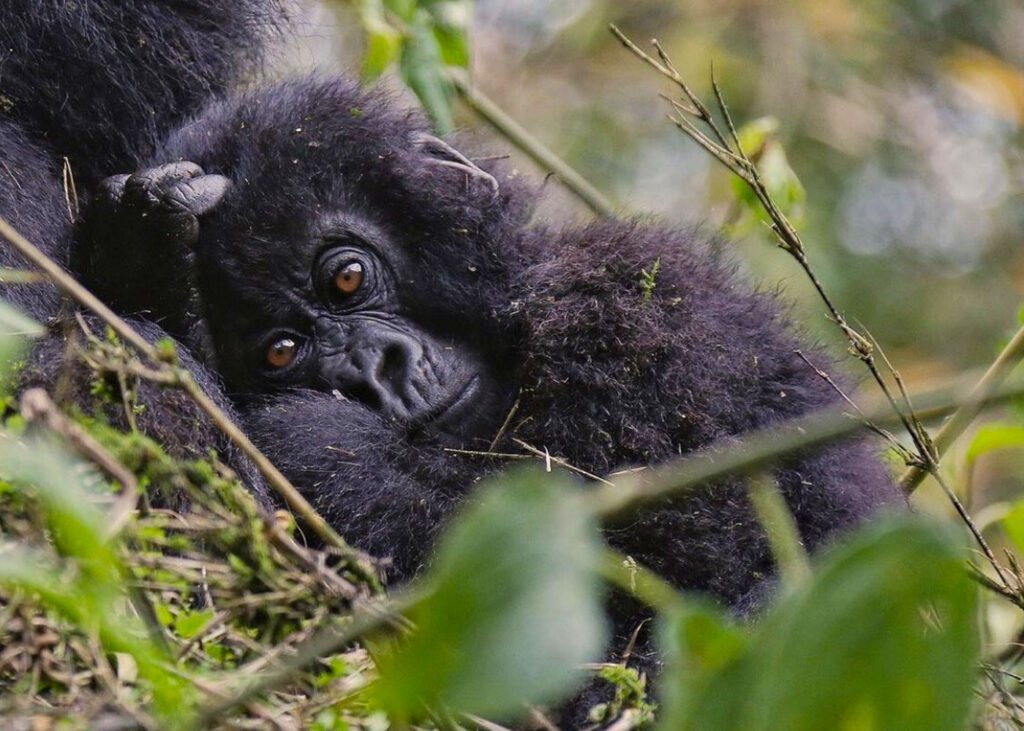
7 Days Uganda Safari – One week tour
This 7-day itinerary is the classic one-week introduction to Uganda, covering the country’s three most iconic wildlife experiences: chimpanzee tracking in Kibale Forest National Park, Big Five game drives and a boat cruise in Queen
Tour Details →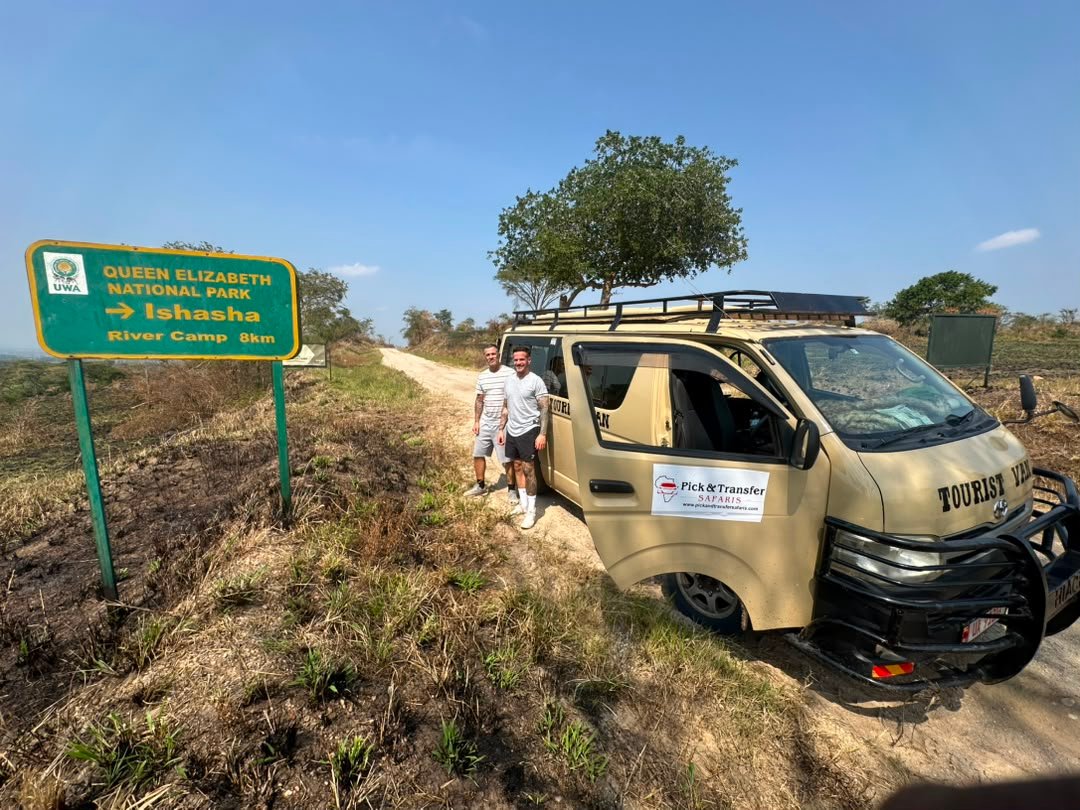
10 Days Uganda Primates and Wildlife
This 10-day Uganda Grand Safari is the most complete Uganda itinerary we offer at Pick and Transfer Safaris. It begins with a scenic northward drive from Entebbe to the vast open plains of Murchison
Tour Details →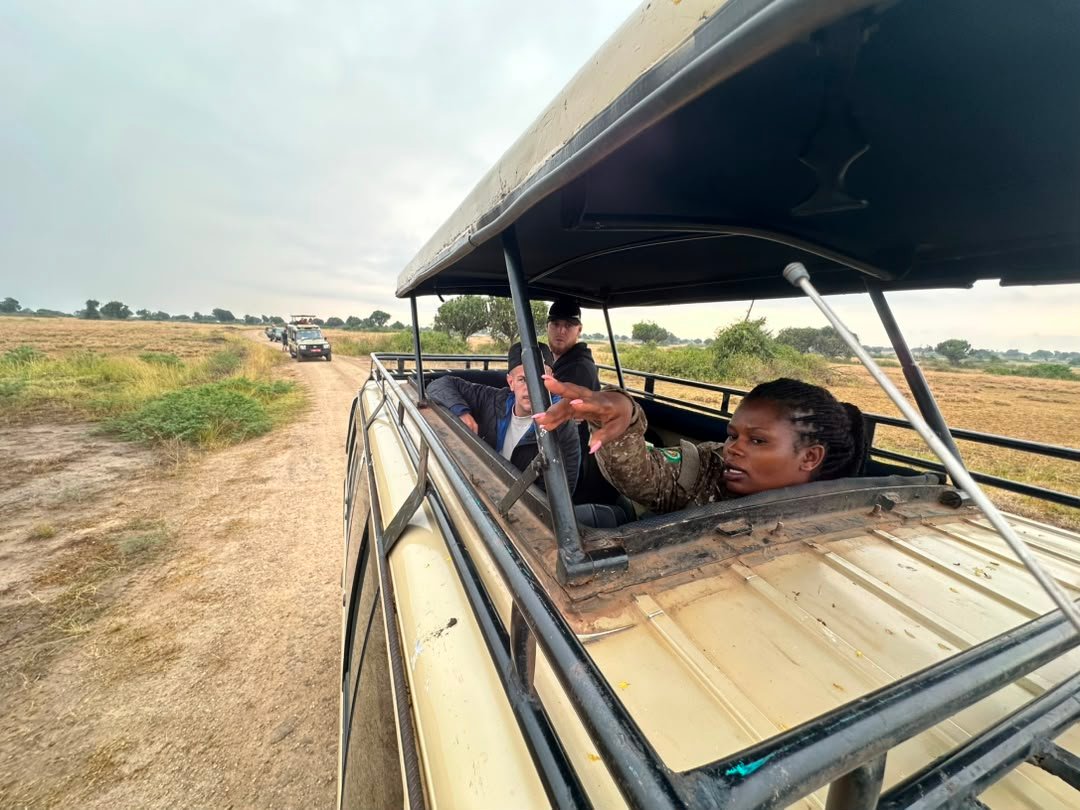
2 Days Uganda Gorilla Tour Starting from Kigali
This is the gentler cousin of our 1-Day Uganda Gorilla Safari Starting from Kigali — same idea, twice the breathing room. Instead of squeezing a 3,000-metre forest trek and two border crossings into a single very long day
Tour Details →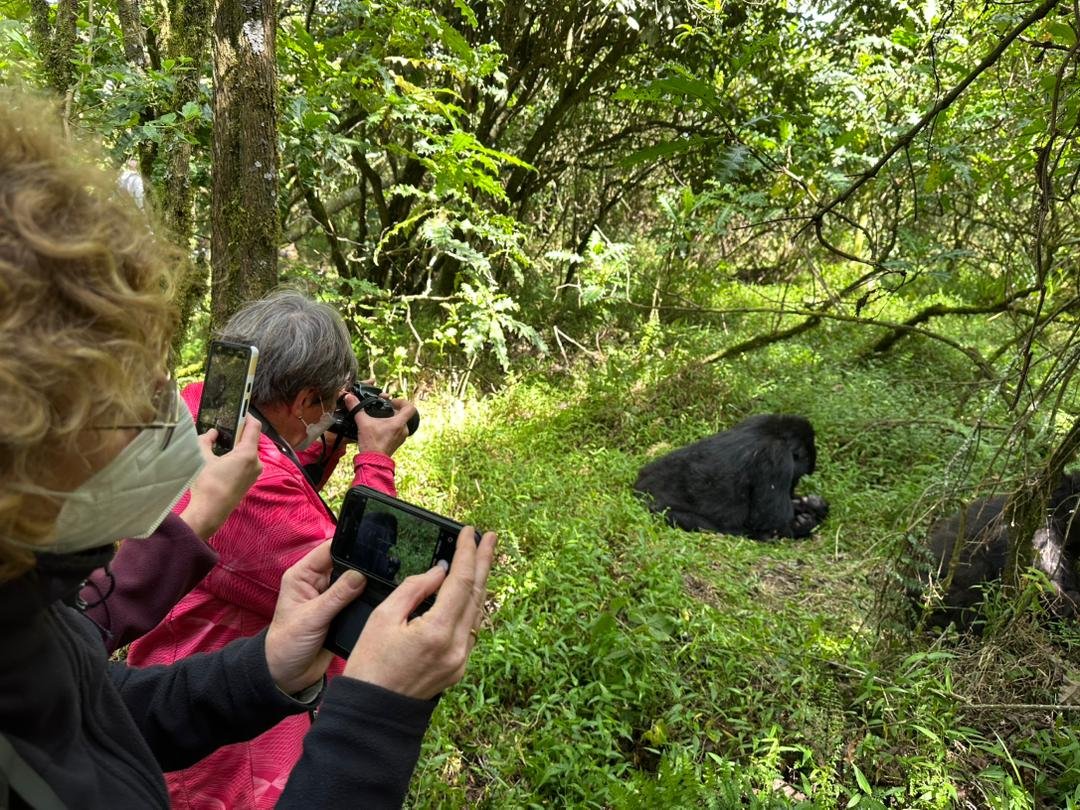
5-Day Uganda Gorilla and Chimpanzee Safari
This itinerary can be combined with a Rwanda extension or a wildlife-focused add-on through Queen Elizabeth National Park — browse our Uganda & Rwanda Safaris and Primate Safaris collections for ideas.
Tour Details →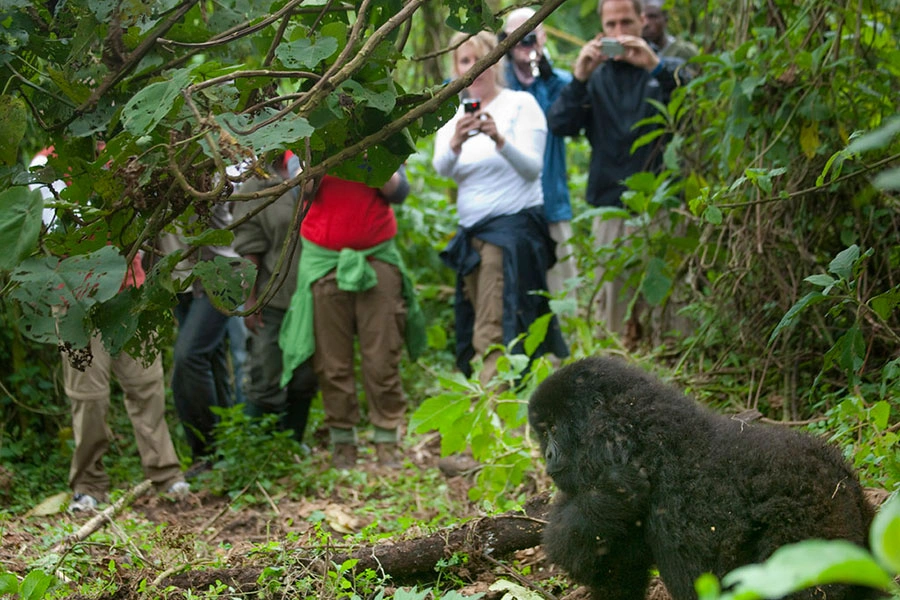
5 Days Rwanda Wildlife and Gorillas
This 5-day itinerary brings together Rwanda’s two flagship wildlife experiences: open savannah game drives and a boat safari in Akagera National Park, followed by a face-to-face encounters
Tour Details →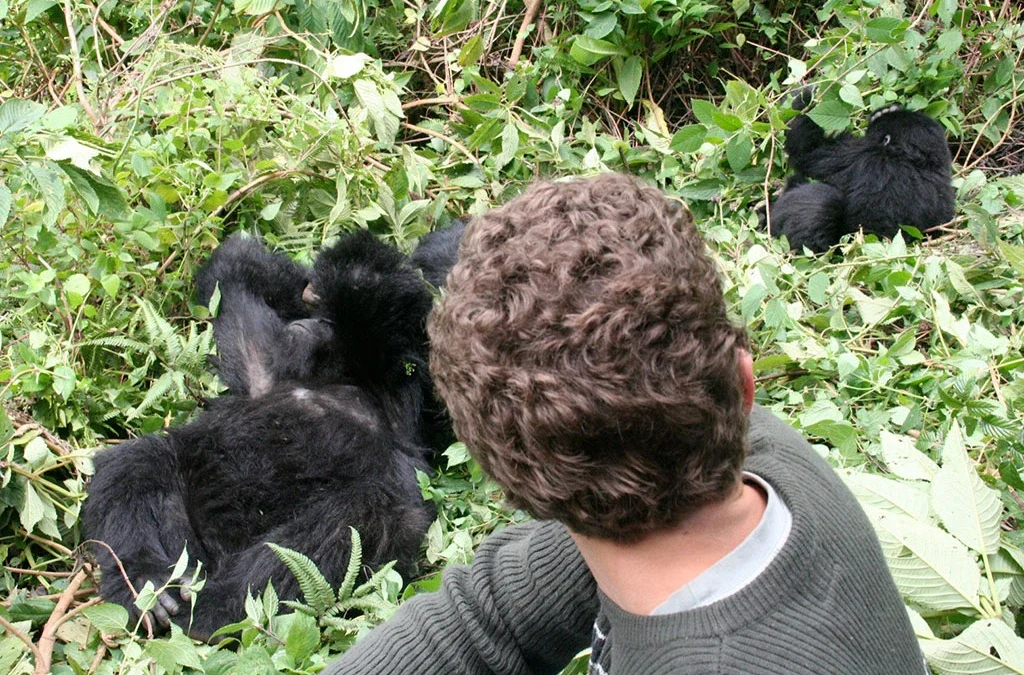
3 Days Uganda Gorilla Safari
For travelers who arrive in Entebbe with a tight schedule and a clear ambition, a 3-day gorilla safari to Bwindi Impenetrable Forest National Park is the most focused and rewarding short trip the country has to offer.
Tour Details →How the Border Crossing Works
Crossing between Rwanda and Uganda is a routine part of a combined gorilla safari, and with an experienced driver-guide it is usually straightforward. There are two main crossings used by safari travelers, and the right one depends on where you are heading.
The Cyanika border lies north of Musanze, the gateway town for Volcanoes National Park. It is the best crossing for Mgahinga and for Bwindi’s southern sectors of Rushaga and Nkuringo. It is quieter than the main commercial crossing, the drive from Volcanoes National Park is short, and Kisoro town is only a few minutes beyond the border on the Ugandan side. For most gorilla combinations, Cyanika is the natural choice.
The Katuna, or Gatuna, border lies on the main road between Kigali and Kabale. It is the main commercial crossing between the two countries and is best for travelers heading to Lake Bunyonyi, Bwindi’s Ruhija and Buhoma sectors, Queen Elizabeth National Park or further north into Uganda. Because it carries heavy truck traffic, an early morning crossing is best.
Formalities usually take between thirty minutes and an hour. You’ll receive an exit stamp in Rwanda, complete entry procedures in Uganda, and your driver will handle the vehicle clearance. One detail to remember is the time difference: Uganda is one hour ahead of Rwanda, so your watch moves forward when you cross. Kenlink Tours covers the whole process in its guide to the best safaris crossing to Uganda from Rwanda.
Visas for a Combined Rwanda and Uganda Gorilla Safari
The simplest visa for a combined trip is the East Africa Tourist Visa. It costs about one hundred US dollars, covers Rwanda, Uganda and Kenya, and allows multiple entries between the three countries for ninety days. You apply through the immigration service of the country where you will land first, so travelers flying into Kigali apply through Rwanda’s online portal. With this single visa you can cross back and forth between Rwanda and Uganda as often as your itinerary needs.
You can also buy separate visas for each country, but this usually costs more and adds paperwork. Whichever option you choose, carry a passport valid for at least six months with blank pages, and a yellow fever vaccination certificate, which Uganda requires. Kenlink Tours explains the latest rules in its guide on whether you need a visa to travel to Uganda. Visa fees and requirements change from time to time, so confirm them shortly before you travel.
Gorilla Permits When Combining Rwanda and Uganda
Your gorilla permits are the most important part of any combined safari, and they need to be secured early. Each habituated gorilla family can be visited by only eight people per day, so permits are limited and often sell out months ahead during the dry seasons. For a combined trip, you’ll need permits in two countries on two specific dates, which makes early planning even more important.
Rwanda’s permit is issued by the Rwanda Development Board and costs fifteen hundred US dollars per person for foreign non-residents. Uganda’s permit is issued by the Uganda Wildlife Authority and costs eight hundred US dollars per person, while the four-hour habituation experience in Bwindi’s Rushaga sector costs fifteen hundred US dollars. Every permit covers park entry, the services of rangers and trackers, the trek itself and time with the gorillas. Our guide to the Rwanda gorilla permit explains how Rwanda’s permits work in detail.
When you book through a tour operator, the operator checks availability in both countries, reserves permits with your passport details, and times your lodges and transfers around your trekking dates. For combined safaris, we recommend booking three to six months ahead for the dry seasons, and earlier for groups or fixed travel dates.
Short Combined Gorilla Safaris of Four to Five Days
Even a short trip can include both countries. The most efficient short combinations focus on the Virunga region, where Rwanda’s Volcanoes National Park and Uganda’s Mgahinga and southern Bwindi are only a few hours apart.
A popular four-day option combines golden monkey tracking in Rwanda with gorilla trekking in Uganda. You drive from Kigali to Musanze on the first day, track golden monkeys in Volcanoes National Park the next morning, cross the Cyanika border that afternoon, trek gorillas in Mgahinga or Bwindi on the third day, and return to Kigali on the fourth. It is a compact way to see two primate species in two countries, and it keeps permit costs down by trekking gorillas in Uganda. Kenlink Tours runs a similar 4-Day Rwanda–Uganda Golden Monkey and Gorilla Trekking itinerary. You can also add golden monkey tracking in Rwanda to almost any Rwanda-based trip.
The classic five-day double gorilla safari includes one gorilla trek in each country. You begin in Kigali, trek gorillas in Volcanoes National Park, cross into Uganda, trek again in Bwindi’s southern sector, and then return to Kigali. This itinerary suits photographers, first-time visitors who want to make the most of a long flight, and anyone who would like to compare the two gorilla experiences side by side. Kenlink Tours offers a 5 Days Uganda–Rwanda Double Gorilla Safari built around exactly this plan.
Combining Gorillas and Chimpanzees Across Both Countries
Many travelers want to see both of Africa’s great apes, and a combined Rwanda and Uganda safari makes that easy. Rwanda’s chimpanzees live in Nyungwe Forest National Park in the southwest, an ancient montane rainforest that also offers large troops of colobus monkeys and a canopy walkway above the treetops. Uganda’s best chimpanzee tracking is in Kibale Forest National Park, often called the primate capital of the world, with thirteen primate species and some of the most reliable chimpanzee sightings in Africa.
A primate-focused combination might start with chimpanzees in Nyungwe, continue to gorillas in Volcanoes National Park, and then cross into Uganda for a second gorilla trek in Bwindi. Alternatively, you can trek gorillas in Uganda starting from Rwanda and then drive north to Kibale for chimpanzees. Our 5 Days Uganda Gorilla and Chimps Safari starting from Rwanda follows this route, and our 5 Days Rwanda Gorilla and Chimpanzee Safari keeps both primates within Rwanda. For choosing between Uganda’s chimpanzee forests, Kenlink Tours compares them in its guide to Kibale Forest vs Kalinzu Forest.
Adding Savannah Wildlife to Your Gorilla Safari
Gorillas are the highlight, but many travelers also want a classic game drive. Both countries offer excellent savannah parks that fit naturally into a combined itinerary.
In Rwanda, Akagera National Park in the east is a conservation success story. Lions and rhinos have been reintroduced and the Big Five now live there. Game drives across its plains and a boat trip on Lake Ihema make a good contrast to the forest treks. Our 3 Days Akagera National Park Safari from Kigali can be added before or after the gorillas.
In Uganda, Queen Elizabeth National Park sits on the route north from Bwindi. Its Ishasha sector is known for lions that rest in the branches of fig trees, and the Kasenyi plains offer game drives among elephants, buffaloes, Uganda kob and lions. A boat cruise on the Kazinga Channel brings you close to large numbers of hippos, crocodiles and waterbirds. For longer trips, Murchison Falls National Park adds the dramatic falls where the Nile forces its way through a narrow gorge. Kenlink Tours describes the Kigali-based version of this route in its guide to Bwindi and Queen Elizabeth National Park through Kigali.
Longer Combined Gorilla Safaris of Seven to Fifteen Days
With a week or more, a combined safari can cover the best of both countries at a comfortable pace. A seven-day trip typically includes a Kigali city tour, gorilla trekking in Volcanoes National Park, golden monkey tracking, a border crossing into Uganda, gorilla trekking in Bwindi, and a game drive and boat cruise in Queen Elizabeth National Park. Our 7 Days Uganda Rwanda Safari Adventure follows this pattern.
A ten-day itinerary adds chimpanzee tracking in Kibale, more time in the savannah, and a relaxing stop at a highland lake such as Bunyonyi or Mutanda. It gives you time to enjoy the landscapes and villages between the parks rather than rushing from one activity to the next. See our 10 Days Uganda Rwanda Safari for a detailed plan. Kenlink Tours offers similar journeys in its collection of tours combining Uganda and Rwanda.
For a trip of about two weeks, you can include almost everything: gorillas in both countries, chimpanzees in Nyungwe or Kibale, Akagera and Queen Elizabeth for big game, Lake Kivu for rest, and Murchison Falls for a grand finale. Our 15 Days Rwanda Uganda Safari is designed for travelers who want to see both countries in depth.
Choosing the Direction of Your Trip
A combined Rwanda and Uganda gorilla safari can run in several directions, and the best choice usually depends on flight prices and how many days you have.
For short trips, flying in and out of Kigali works best. You reach Volcanoes National Park in a couple of hours and southern Bwindi or Mgahinga in about four to five, then return to Kigali for your flight. This keeps driving to a minimum and suits trips of four to seven days.
For longer trips, a one-way route is often the most efficient. You fly into Kigali, trek gorillas in Rwanda, cross into Uganda, continue north through Bwindi, Queen Elizabeth and Kibale, and fly home from Entebbe, or the reverse. You never cover the same road twice, and every day brings new scenery. Travelers with cheaper flights into Entebbe can start in Uganda and finish in Kigali, which gives them a relaxing final day in Rwanda’s capital.
Before booking flights, compare prices to both airports, and ask your safari consultant to design the route around the most convenient arrival and departure points.
How Much Does a Combined Rwanda and Uganda Gorilla Safari Cost?
The total cost depends on the number of gorilla permits, the length of the trip, your choice of lodges and the size of your group. Permits are the largest fixed cost. A double gorilla safari with one trek in each country needs about twenty-three hundred US dollars in permits per person, while a trip that trekks gorillas only in Uganda needs eight hundred.
As a rough guide, including permits and sharing with one other traveler, a four-day golden monkey and gorilla combination usually costs somewhere between about two thousand and three and a half thousand US dollars per person. A five-day double gorilla safari usually costs between about three and five and a half thousand, depending on the lodges. Seven- to ten-day combined safaris generally range from about four thousand to nine thousand or more, and luxury lodges can raise these figures considerably.
Packages usually include permits, accommodation, meals on safari, a private four-wheel-drive vehicle with an English-speaking driver-guide, fuel, park fees for the activities in the itinerary, and drinking water. International flights, visas, travel insurance, tips, porter fees and personal expenses are usually extra. Traveling as a group lowers the cost per person because vehicle and guide costs are shared. Kenlink Tours explains how group trips work in its guide to gorilla safaris in Rwanda for groups.
Smart Ways to Save on a Combined Gorilla Safari
The most effective way to save money is to trek gorillas in Uganda and spend your time in Rwanda on golden monkeys, Dian Fossey’s grave, Kigali and Lake Kivu. You still enjoy the best of both countries while paying the lower permit price. Many travelers use this approach with a short trip such as our 2 Days Uganda Gorilla Tour starting from Kigali or the 3 Days Uganda Gorilla Safari from Rwanda.
Traveling during the rainy seasons can also reduce costs, as some lodges offer lower rates and permits are easier to find. Choosing mid-range or community lodges instead of luxury properties makes a large difference, and sharing a vehicle with friends or family reduces transport costs per person. Finally, flying into Kigali rather than Entebbe usually saves a full day of driving each way, which lowers both costs and time on the road.
Where to Stay on a Combined Gorilla Safari
On a combined safari you’ll usually stay near Volcanoes National Park in Rwanda and near the relevant gorilla park in Uganda, with optional nights in Kigali, by a lake, or in the savannah parks.
In Rwanda, most gorilla trekkers stay around Kinigi, close to the park headquarters, or in Musanze town about thirty minutes away. Kinigi has some of Africa’s most celebrated luxury lodges as well as comfortable mid-range options, while Musanze offers more budget choices and restaurants.
In Uganda, the most important rule is to stay close to the sector where your permit is booked. Bwindi is large, and some sectors are hours apart by road, so a lodge “in Bwindi” is not necessarily near your trek. Rushaga and Nkuringo have good lodges across all budgets, and Lake Mutanda and Kisoro make pleasant bases for both southern Bwindi and Mgahinga. Kenlink Tours reviews some good options in its guide to gorilla trekking safaris in Uganda with nice lodges.
What to Expect on Gorilla Trekking Day in Each Country
The trekking day follows a similar structure in both countries, but the details differ. In Rwanda, everyone gathers at the Kinigi headquarters in the early morning. While rangers divide visitors into groups of no more than eight, performers entertain the crowd with traditional drumming and dance. After a briefing on the rules, each group drives to the trailhead for its gorilla family and walks through farmland to the park boundary, then into bamboo forest on the volcano slopes.
In Uganda, trekkers gather at the headquarters for their sector, whether Rushaga, Nkuringo, Buhoma or Ruhija. The briefing is usually more low-key, and treks often start directly from the headquarters or from a nearby trailhead. Bwindi’s terrain is typically steeper and denser, with narrow trails through thick vegetation, while Mgahinga’s treks climb volcanic slopes similar to those in Rwanda.
In both countries, the time with the gorillas is limited to one hour on a standard trek. Trek lengths vary from under an hour to several hours each way, depending on where the gorillas have moved. You’ll receive a certificate at the end of the day in both countries, which makes a good souvenir of your combined safari.
Fitness, Age and Health Considerations
Gorilla trekking requires a moderate level of fitness, and trekking twice on a combined safari means you should be prepared for two demanding days. The parks lie at high altitude, and trails can be steep, muddy and slippery, particularly in Bwindi. Regular walking, hiking or stair climbing in the weeks before your trip will make the experience far more enjoyable. Porters, walking sticks and a steady pace make treks manageable for most healthy adults, and rangers try to assign easier families to visitors who need them.
The minimum age for gorilla trekking is fifteen in both countries, and there is no upper age limit. Older travelers trek successfully every year, especially when they allow a rest day between treks. If you feel unwell before a trek, tell your guide, because gorillas are vulnerable to human illnesses and rangers may not allow sick visitors to trek.
The Best Time for a Combined Gorilla Safari
Gorilla trekking runs throughout the year in both Rwanda and Uganda, and the two countries share a similar climate. The long dry season from June to September and the shorter dry season from December to February are the most popular times, because trails are firmer and hiking is easier. These months are also the busiest, so book permits and lodges early.
The rainy seasons, from March to May and from October to November, bring lush green scenery, fewer visitors and occasional lodge discounts. Trails are muddier and treks can feel harder, but gorillas are seen just as reliably, and the forest is at its most atmospheric. If you’re adding savannah parks such as Akagera or Queen Elizabeth, the dry months generally offer better game viewing because animals gather near water.
Packing for a Two-Country Gorilla Safari
Pack for changeable mountain weather and for trekking through wet, sometimes thorny vegetation. Waterproof hiking boots with good grip are the most important item. Gardening gloves protect your hands when grabbing branches and nettles, and a lightweight rain jacket is essential in both countries. Long trousers tucked into your socks keep out ants, and long-sleeved shirts in neutral colors protect your arms. A warm fleece is useful for cool mornings at altitude.
Bring a small daypack for water, snacks and your camera, and remember that flash photography is not allowed near the gorillas. Rwanda bans single-use plastic bags, so pack in fabric or reusable bags before you arrive. Keep your passport, visa, yellow fever certificate and printed permits handy for border crossings and park check-ins.
Supporting Conservation and Local Communities
When you trek gorillas in both Rwanda and Uganda, you contribute directly to conservation in both countries. Permit fees fund ranger patrols, research and veterinary care, and a share of park revenue supports schools, clinics and water projects in the communities around the parks. This has helped mountain gorilla numbers grow over recent decades.
You can add to that benefit by hiring a porter on each trek, buying crafts from local cooperatives, and visiting community projects such as Batwa cultural experiences near Bwindi and Mgahinga, or cultural villages near Volcanoes National Park. Our 3 Days Rwanda Gorilla Tracking and Cultural Tour includes this kind of community experience. The Dian Fossey hike is another meaningful addition, showing where much of the modern understanding of mountain gorillas began.
Common Questions About Combining Rwanda and Uganda Gorilla Safaris
Travelers often ask whether it is better to trek in Rwanda or in Uganda if they can only do one trek. Both offer excellent encounters. Rwanda offers shorter travel from Kigali and often easier terrain, while Uganda offers lower permit prices, more gorilla families and the habituation experience. If you can trek twice, doing one in each country gives you the best of both.
Another common question is how many days a combined safari needs. Four days is the minimum for a comfortable two-country primate trip, five days allows a double gorilla safari, and seven days or more lets you add chimpanzees and savannah wildlife at a relaxed pace. Travelers also ask whether the border crossing is difficult. It is not: with an experienced driver-guide and the right visa, it’s a normal part of the journey and usually takes less than an hour.
Many visitors also wonder whether they can include Congo. The Virunga volcanoes extend into the Democratic Republic of Congo, but Virunga National Park’s gorilla treks have been closed amid insecurity in the region. Kenlink Tours explains the current situation in its guide on whether you can combine a Rwanda, Uganda and Congo safari. For now, Rwanda and Uganda are the safe and reliable choices. Our gorilla safari FAQs answer many more common questions.
Why Plan Your Combined Gorilla Safari with Us
Planning a two-country gorilla safari involves permits in two countries, border logistics, lodges matched to trekking sectors, and itineraries that balance time, cost and comfort. Our team specializes in exactly these trips. We secure your permits with both the Rwanda Development Board and the Uganda Wildlife Authority, arrange comfortable four-wheel-drive vehicles with experienced driver-guides who know both sides of the border, and design each itinerary around your dates, interests and budget.
Whether you want a short primate combination, a double gorilla safari, or a two-week journey through both countries, we’ll help you plan it. You can explore our Rwanda gorilla trekking tours, compare our Uganda gorilla trekking options, or learn more about us.
Start Planning Your Rwanda and Uganda Gorilla Safari
Combining gorilla safaris for Rwanda and Uganda is one of the most rewarding ways to experience Africa’s mountain gorillas. You can trek in two countries and two habitats, add golden monkeys, chimpanzees and savannah wildlife, and enjoy the landscapes and cultures of both the Land of a Thousand Hills and the Pearl of Africa. With short distances, a simple border crossing and a single multi-entry visa, the two countries fit together very naturally.
Tell us your travel dates, the number of travelers and the experiences you’re most excited about, and we’ll check permit availability and send you a free, tailor-made itinerary. Contact us today to start planning your combined Rwanda and Uganda gorilla safari.