- LET'S PLAN YOUR SAFARI
- +256 200 921 002
- +256 793 194 703
- info@rwandagorillatrekkingtours.com

7 Days Akagera and Volcanoes National Park Tour
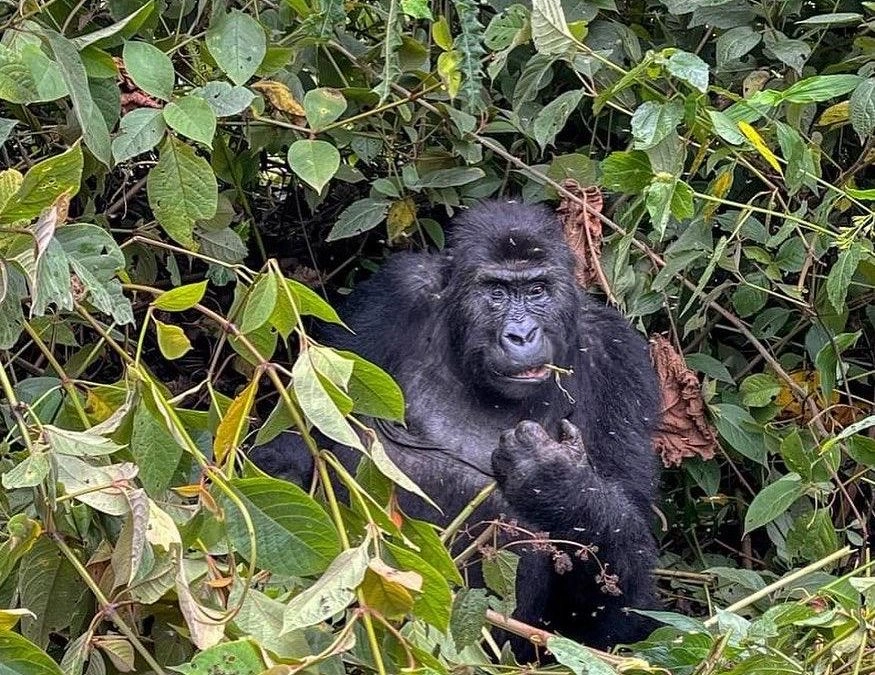
7 Days Akagera and Volcanoes National Park Tour. Seven days is a generous amount of time in Rwanda, and it allows a rare combination: open savannah in the east and misty volcanoes in the north, joined by a single road trip through the country’s green hills. On this tour you start in Kigali, spend your first days on game drives and boat trips in Akagera National Park, then travel to Musanze for the highlight, a gorilla trek in Volcanoes National Park, with extra time for golden monkeys, a hike or a look at local life. You finish with a return to Kigali for your flight home.
The appeal is contrast. In the same week you can watch hippos and giraffes from a vehicle, then walk through bamboo and montane forest to sit an hour away from a family of mountain gorillas. Rwanda’s compact size makes that possible without domestic flights. According to the official Akagera National Park website, the park is about two hours’ drive (110 km) from Kigali, and Visit Rwanda describes twelve habituated gorilla families in Volcanoes National Park, so both ends of the route are within easy reach of the capital.
Who This Tour Suits
This itinerary suits travellers who want more than a short gorilla trip but do not want to spend two weeks on the road. It works well for couples, families with teenagers of at least 15 (the minimum age for gorilla tracking), friends travelling together and first-time visitors to East Africa. It also suits anyone who wants game viewing as well as gorillas, because a gorilla-only trip in Rwanda can be done in two or three days, and a seven-day plan gives you room to add much more.
Our team at Rwanda Gorilla Trekking Tours plans trips in Rwanda, and you can compare this idea with the shorter options on our Rwanda gorilla trekking tours page. For background on each destination, see our pages on Akagera National Park and Volcanoes National Park.
What This Guide Covers
Below you will find a day-by-day plan, a closer look at each park, the published permit figures, guidance on the best time to go, packing advice, ideas for shorter and longer versions, booking tips and answers to common questions. Where a fact comes from an official body, we link to the source so that you can confirm the current details. When you are ready to talk about dates, send them through our contact page.
Tour Overview: The 7-Day Plan in One Table
The table below summarises the shape of the week. It is an illustrative structure, not a fixed package, and the order of the days can change depending on when your gorilla permit falls. Drive times are approximate, so ask your operator to confirm them for your dates.
| Day | Base for the night | Main activity |
|---|---|---|
| 1 | Kigali | Arrival, transfer to your hotel, optional city tour |
| 2 | Akagera National Park | Drive of about two hours from Kigali, afternoon game drive |
| 3 | Akagera National Park | Morning game drive and a Lake Ihema boat trip |
| 4 | Musanze | Final game drive if time allows, then a long transfer via Kigali to the Volcanoes region |
| 5 | Musanze | Gorilla trek at Volcanoes National Park |
| 6 | Musanze | Golden monkey tracking, a hike or a cultural and scenic day |
| 7 | Kigali | Return to Kigali, city tour or departure |
What the Plan Includes and What Stays Extra
A well-built quotation for a tour like this normally covers the gorilla permit when the operator books it, airport pick-up and drop-off, a private vehicle with a driver-guide, and accommodation at the level you choose. Items that are usually extra include visas, international flights, travel insurance, drinks, tips and any optional activities you add. Because tours differ, always ask for a written, itemised quotation that states exactly what is covered. You can start a request on our booking page, and you can read about our team on the about page.
Why Seven Days Is a Good Length
Seven days is long enough to avoid rushing. Akagera gets two nights so that you can enjoy an evening arrival, a full day of game viewing and a boat trip. The Volcanoes region gets three nights, which lets you choose a gorilla day, an extra activity day and a calm day of travel at the end. A shorter plan compresses the same content into long driving days, and a longer plan adds more parks. Our Rwanda safari tours page shows some of those options.
The main constraint is the gorilla permit. Rwanda’s tracking system allows 96 permits a day, and the Rwanda Development Board’s booking portal works on a first-come, first-served basis, so popular dates fill early. If your preferred date is not available, the plan can be reversed, with the Volcanoes days first and Akagera afterwards. That flexibility is one more reason to book your permit before you buy non-refundable flights.
Day 1: Arrive in Kigali
Your driver-guide meets you at Kigali International Airport and takes you to your hotel. Depending on your flight time, you may have an afternoon free. If you arrive early, a short Kigali city tour is an easy way to get a feel for the capital, its markets and its neighbourhoods before the road trip begins. Keep the evening light, because the next morning starts with a drive east. Use the time to check your kit, confirm your passport and permit documents, and rest.
Day 2: Kigali to Akagera National Park
The road east takes you out of the hills and into the low-lying plains. According to the park’s official site, Akagera is about two hours’ drive (110 km) from Kigali, so you can reach it by late morning, check in and begin your first game drive in the afternoon. Visit Rwanda describes Akagera National Park as a landscape of savannah, woodland, wetland and a dozen lakes, and that variety is what you will see from the vehicle: open grassland, acacia woodland and the shimmer of water in the distance.
The park’s official site names several places to stay, including Ruzizi Tented Lodge, Karenge Bush Camp, four campsites, Wilderness Magashi Camp and SALT of Akagera. Choose the one that fits your budget, and ask your operator to confirm current availability. Late afternoon light is kind to photographs, so keep your camera ready on the first drive.
Day 3: A Full Day of Game Viewing and a Boat Trip
A full day in Akagera lets you slow down. Start with an early morning game drive, when animals are most active. The park’s own site lists community guides for guided game drives, and for the best chance of finding wildlife, a guide is worth the cost. Late morning is a good time to return for a rest.
The boat trip is the day’s second highlight. Boat trips on Lake Ihema run at scheduled times, which the park lists as 7:30 am, 9 am, 3 pm and 4:30 pm, and Visit Rwanda says they offer views of hippos, Nile crocodiles and waterbirds. Timetables can change, so ask your operator to confirm the current schedule. If you have energy in the afternoon, the site also mentions night drives for overnight guests, fishing on Lake Shakani and a two-hour, 7 km fence excursion called Walk the Line, although some of these depend on availability and cost extra. For more background, read our page on Akagera National Park.
What You Might See on Days 2 and 3
The park’s site lists lion, leopard, elephant, rhino, buffalo, zebra, giraffe and antelope, and Visit Rwanda cites 490 bird species. Lions were reintroduced in 2015, eastern black rhinos in 2017 and southern white rhinos in 2021. No sighting is guaranteed, and rhinos and leopards are the hardest to find, so treat those as a bonus. Hippos, giraffes, zebras and birds are generally much easier to find.
Day 4: From Akagera to Musanze
Day 4 is the main travel day. If time allows, take one last early game drive in Akagera, then start the road west. The route passes through Kigali before heading north, and on the published figures the two legs add up to roughly 215 kilometres: about 110 km from Akagera to Kigali (two hours, according to the park) and about 104 to 105 km from Kigali to Volcanoes National Park (two to three hours, according to the Volcanoes National Park getting-there guide). Add stops and traffic and it is a long day, so plan on arriving in Musanze in the evening and ask your operator for a realistic timing.
Visit Rwanda’s Musanze page describes the town as sitting at 1,850 metres, in the foothills of the Virunga Massif and 13 km from Kinigi, the park headquarters, which makes it a convenient base for gorilla tracking. Check in, eat early and go to bed, because the next morning begins early.
Day 5: Gorilla Trekking in Volcanoes National Park
This is the day the whole week has been building to. You report to the park headquarters at Kinigi for a 7 am briefing, where the rangers explain the rules and allocate visitors to a gorilla family. According to Visit Rwanda, visitors are allocated a family group on the day according to fitness levels, and hikes can last anything from 30 minutes to four or more hours at altitudes between 2,500 and 4,000 metres. Once you reach the gorillas you may spend up to one hour with them, in a group of no more than eight visitors.
The terrain can be steep and muddy, so wear proper boots and consider hiring a porter. After the trek you return to the headquarters and to your lodge, with the afternoon free to rest. Our page on Volcanoes National Park has more about the park, and you can compare this itinerary with our shorter 2 days Rwanda gorilla trekking tour.
Day 6: Golden Monkeys, a Hike or a Cultural Day
The spare day gives you choices. One option is golden monkey tracking, which the Rwanda Development Board’s golden monkey tracking page lists at US$100 for foreign adults, with a minimum age of 12, up to 16 visitors per group and a 7 am report time. Read our page on golden monkey tracking in Rwanda for more.
A second option is the Dian Fossey hike. The Dian Fossey Gorilla Fund’s Karisoke page says the research centre was founded by Dian Fossey on 24 September 1967 and that its name combines Mount Karisimbi and Mount Bisoke. A third option is to stay closer to town. Visit Rwanda’s Musanze page mentions guided tours of the underground caves, bicycle tours, the Buhanga Eco-Park and three lakes in the region: Karago, Burera and Ruhondo. Choose according to your energy and interests, and do not schedule anything strenuous if your legs are tired from the gorilla trek.
Day 7: Return to Kigali and Depart
On the last day you drive back to Kigali, which the getting-there guide puts at two to three hours. If your flight is in the evening, a Kigali city tour or some shopping fills the gap. If your flight leaves early, sleep in Kigali on Day 6 instead, or ask your operator to adjust the schedule. Avoid booking an early flight for the morning after a long day of travel.
Akagera National Park in Depth: Rwanda’s Savannah Reserve
Akagera is the park that changes how many travellers think about Rwanda. The country is best known for its gorillas, but Akagera adds a completely different landscape. The park’s official site describes 1,200 square kilometres in Rwanda’s Eastern Province, on the Tanzanian border, with about one third of the area dominated by water. That mix of lakes, wetlands, savannah and woodland is why the park supports such a wide range of animals and birds.
A Conservation Story Worth Knowing
The recent history of the park is part of the appeal. The official site says lions were reintroduced in 2015, eastern black rhinos in 2017 and southern white rhinos in 2021, and Visit Rwanda says the park hosts the Big Five, including a family of lions from South Africa that is breeding successfully and 18 reintroduced eastern black rhinos. When you watch a giraffe cross the road or a hippo surface in Lake Ihema, you are looking at wildlife that is protected and managed with a clear plan. It is a fitting reminder of what conservation can achieve, and one more reason to include Akagera in your week.
Guided Drives or Self-Drive?
The park’s site says self-guided day drives run between 6 am and 6 pm, and that self-drive access is through the southern Mutumba Gate only. It also recommends 4×4 vehicles in the wet season. On a tour like this one, most travellers prefer a driver-guide, because the guide knows where animals were seen recently, reads tracks and behaviour, and handles the driving so that everyone can look out of the window. Guided game drives with community guides are also listed by the park, and you can ask your operator whether one suits your group.
Practical Tips for Game Drives
A few habits improve your chances. Start early and finish late, because animals rest in the midday heat. Carry binoculars, sunscreen, a hat, insect repellent and plenty of water. Keep your voice low, stay inside the vehicle unless your guide says it is safe, and never feed or approach animals. Bring a camera with a zoom lens, and clean the lens before each drive. Ask your guide to slow down when you spot something, rather than trying to photograph from a moving vehicle.
Extra Activities in Akagera
Beyond drives and the Lake Ihema boat trip, the official site lists night drives for overnight guests, fishing on Lake Shakani and hot air balloon experiences. These are extras that carry their own prices and depend on availability, so raise them when you request your quote. For more planning ideas, our page on Akagera National Park and our Rwanda safari tours overview are good places to start, and our blog carries further tips. For the latest details, visit the official Akagera National Park website.
Volcanoes National Park in Depth: Gorillas and the Virunga Landscape
Volcanoes National Park is where the gorilla half of the week takes place. It lies in the foothills of the Virunga Massif, and Visit Rwanda describes twelve gorilla families in the park that are fully habituated to visitors, each with at least one silverback along with several females and youngsters. Only 96 permits are available each day, with eight tracking permits issued per troop per day, and each group may meet tourists for a strict maximum of one hour per day. Our page on Volcanoes National Park adds background on the area.
Gorilla Permit Facts You Should Know
Visit Rwanda lists the permit at US$1,500 per person per day, and the minimum age for tracking is 15. The Rwanda Development Board’s booking portal also shows lower-priced categories of US$500 and US$200, but these are marked as promotional and not applicable from June to October 2026, so US$1,500 remains the normal figure for a foreign visitor. Permits are issued for a specific date, so build your week around the date that is confirmed. A permit guide on volcanoesnationalpark.org notes that most operators organise permits at no extra cost as long as you cover money transfer or card charges. Our own Rwanda gorilla permit page explains how we approach the booking.
The Rules Around the Gorillas
The rules exist because the gorillas are wild and can catch human diseases. A summary of the gorilla trekking rules in Rwanda says visitors should keep a distance of seven metres, keep their voices low, avoid sudden movements, leave out flash photography and stay away if they are ill. It adds that eating, drinking and smoking are not allowed near the gorillas, that you should turn your head away when you cough or sneeze, and that you must not litter. Your guides will repeat these points at the briefing, so listen carefully and follow them.
How Difficult Is the Trek?
The trek is demanding for some people and gentle for others, because the length depends on where the assigned family is that morning. Visit Rwanda says hikes range from 30 minutes to four or more hours. There is no fitness test, but you should be comfortable walking uphill for several hours on uneven ground. In the weeks before your trip, walk on hills, use stairs and break in your boots. Visit Rwanda’s Volcanoes National Park profile says gaiters and a lightweight waterproof are useful in the rain. If you are worried about the walk, tell your operator when you book so that a porter can be arranged.
Other Things to Do Around the Park
The park offers more than gorillas. Besides golden monkey tracking and the Dian Fossey hike covered above, Visit Rwanda’s Musanze page lists the underground caves, the Buhanga Eco-Park and the lakes of Karago, Burera and Ruhondo. If you have only one extra day, choose the activity that matches your energy. If the gorilla trek was strenuous, a lake visit or a cave tour is gentler than another long hike. If you want a shorter gorilla-only alternative to this week, our 1 day Rwanda gorilla trekking page shows the compact version.
What Does the 7-Day Tour Cost? Start With the Permits
The permits are the fixed part of the price, so start there. Visit Rwanda lists the gorilla permit at US$1,500 per person per day, and the Rwanda Development Board’s golden monkey page lists US$100 for foreign adults. On those figures, a couple who each track gorillas once and golden monkeys once would pay US$3,000 for gorilla permits and US$200 for golden monkey permits, US$3,200 in total. A family of four with members old enough to trek would pay US$6,000 for gorilla permits and US$400 for golden monkey permits, US$6,400 in total. These are planning figures, and RDB’s portal is the place to confirm current categories and dates.
The tariff has a history. RDB explains the reasoning behind the US$1,500 price in its notice on the increase of gorilla permit tariffs, which also mentions discounts for visitors who spend three or more days at other national parks. Those conditions date from 2017 and may have changed, so treat them as a question for RDB or your operator rather than a promise, particularly because this tour includes a long stay in Akagera.
The Other Cost Lines to Compare
Beyond the permits, a seven-day quote normally has several lines. Compare them like with like across operators.
| Cost line | What to check |
|---|---|
| Vehicle and driver-guide | Number of days, fuel, and whether the driver stays with you throughout |
| Accommodation in Kigali, Akagera and Musanze | Category of lodge, meals included, and the number of nights in each place |
| Akagera park fees and activities | Current entry fees, boat trip and any night drive or fishing extras |
| Airport transfers | Whether pick-up and drop-off are included |
| Porter, tips and drinks | Small amounts that are usually extra |
| Visas, flights and insurance | Not normally part of the tour price |
Because lodging levels vary so much, a responsible operator gives you a written quotation instead of a single headline price. Our Rwanda gorilla trekking tours page shows the packages we offer, and you can request a personalised quote through the contact page.
Ways to Keep Costs Under Control
You cannot reduce the permit price, but you can manage the rest. Travel in a group so that the vehicle cost is shared, choose mid-range lodges, avoid unnecessary transfers and skip optional extras you do not need. Be wary of a quotation that is far below the sum of the permits and normal transport, and ask what has been left out. A cheap quote that omits the permit or the fuel can become expensive once the missing items are added.
Best Time to Take the 7-Day Tour
Gorillas can be visited all year, and so can Akagera, but the season changes the feel of each. A seasons guide on volcanoesnationalpark.org describes a long dry season from June to September and a short dry season from December to February, with rainy periods from March to May and from October to November, and it calls March and April the wettest months. It gives daytime temperatures of about 25 to 27 degrees Celsius with nights of 13 to 15 degrees. You can read the full explanation on its best time to go gorilla trekking page.
The official Akagera site lists November to April as its suggested visiting period, so sources for the savannah and the mountains do not match exactly. December to February appears in both, which makes it a sensible window if your dates are flexible. Rain can fall at any time of year, so pack for it whenever you travel.
The Rainy Season Is Not a Bad Time to Go
The same seasons guide says the ground can be muddy and slopes slippery in the rains, which makes trekking harder, but that abundant vegetation means gorillas do not travel far for food, which can make them easier to find. Akagera’s official site recommends 4×4 vehicles in the wet season. If you travel in a wet month, choose lodges with a warm room and a place to dry your gear, and leave extra time in the schedule for slower roads. Permits can also sell out in other months, so do not assume that the rains guarantee availability.
What to Pack for Savannah and Volcanoes
This tour needs kit for two very different environments. For Akagera, bring lightweight clothing in neutral colours, a hat, sunscreen, insect repellent, binoculars and a camera with a zoom lens. For Volcanoes, add waterproof hiking boots, long trousers, a long-sleeved shirt, a warm fleece, gloves for gripping vegetation, a rain jacket and gaiters. Visit Rwanda’s Volcanoes National Park profile notes that gaiters and a lightweight waterproof are useful in the rain. In your daypack, carry water, snacks, a spare camera battery, a small first-aid kit, your permit confirmation and your passport. Keep the flash switched off near the gorillas.
Visas, Health and Insurance
Rwanda’s visa rules are relatively open, but they depend on nationality. Visit Rwanda’s immigration and visas page explains that visitors can obtain a visa on arrival, that citizens of East African Community countries can stay up to six months without a visa, and that the fee is at most US$50 for a single-entry visa for other nationalities. The immigration service explains the process on its visa on arrival page. Rules change, so confirm them before you fly and make sure your passport is valid for the whole stay.
Take out travel insurance that covers medical treatment, evacuation and cancellation, and check your vaccination requirements with a health professional well before you travel. Because the gorilla trek involves altitude and steep ground, keep your medical information and emergency contacts with you on trek day. For more preparation tips, read our blog, or ask your questions through the contact page.
Shorter and Longer Versions of the Tour
Seven days is a good balance, but it is not the only option. The right length depends on your time, budget and appetite for driving. The table gives a simple guide.
| Length | Best for | What changes |
|---|---|---|
| 3 or 4 days | Travellers with limited time | Gorillas only, or gorillas plus one extra activity, without Akagera |
| 5 days | A compromise | One night in Akagera and two around Volcanoes, with shorter game viewing |
| 7 days | The plan in this guide | Two nights in Akagera, three around Volcanoes and a spare day |
| 10 days | Wildlife enthusiasts | More time in Akagera plus a forest extension such as Nyungwe |
| 12 days or more | Travellers who want two countries | A Uganda extension for chimpanzees or more gorillas |
If you have only three or four days, our 3 days Rwanda gorilla safari and 4 days Rwanda gorilla safari pages show how a shorter plan can look, and our 1 day Rwanda gorilla trekking page covers the shortest option of all.
Adding Nyungwe National Park
With ten days or more, Nyungwe is a rewarding addition. Visit Rwanda’s canopy walkway page says the forest holds thirteen primate species and describes a suspended walkway that is 160 metres long and 70 metres high, reached after about an hour’s walk from the Uwinka Reception Centre. Its primate tracking page says chimpanzee tracking starts at 5:30 am and can last from an hour to several hours. Nyungwe lies well away from both Akagera and Volcanoes, so add it only if you are prepared for extra driving. Our Nyungwe National Park page has more.
Extending the Trip Into Uganda
If you want more gorillas or chimpanzees, you can continue by road from the Volcanoes region into Uganda. Uganda’s gorilla permit has a lower published price, and the Uganda Wildlife Authority says Bwindi Impenetrable National Park is home to about 459 mountain gorillas. Our pages on Uganda gorilla trekking and Rwanda and Uganda gorilla safaris explain how the two countries can be joined, and the East Africa Tourist Visa, which the Ugandan immigration page lists at US$100 for Uganda, Kenya and Rwanda, may be worth considering. The first entry must be into the country where you applied.
Pick and Transfer Safaris has useful reading for the Ugandan side. Its article on what to do after a gorilla tour in Bwindi helps you plan the days after a trek, its page on Ikoro Hotel in Kisoro is one accommodation option near the border, and its article on whether you can begin your tour from Kigali Airport and end in Entebbe Airport covers one-way routes. We link to these pages by title, so please confirm current details with the operator.
Keeping the Trip Flexible
Whichever version you choose, keep at least one spare day near the end, because long drives, weather and permit dates can all move. A rushed itinerary is the most common reason a wildlife trip disappoints, and a flexible one usually delivers more.
How to Book the 7-Day Akagera and Volcanoes Tour
The process is simple if you follow the order. First choose your travel dates and the number of people. Second check gorilla permit availability for those dates, because the permit is the scarce item. Third decide how many nights you want in Akagera and in the Volcanoes region. Fourth confirm accommodation and transport, and finally prepare for the trek. Avoid paying for flights or lodging before a permit is secured.
There are two ways to obtain a permit. You can apply on the Rwanda Development Board’s booking portal, or you can book through a licensed tour operator that arranges the vehicle, the lodges and the permit together. For a multi-park route like this one, an operator saves time and risk, because the permit date, the road transfers and the overnight stays all have to match. You can start a request on our booking page or send your dates through the contact page.
Common Mistakes to Avoid
The first mistake is buying flights before the permit is confirmed. The second is waiting too long, since permits are limited and popular dates fill early. The third is giving passport details that do not match the passport exactly. The fourth is comparing prices without checking what is included. The fifth is planning a tight schedule, such as an early flight the morning after a long road day. The sixth is expecting a guaranteed sighting of the Big Five or a short trek, since wild animals move and no operator can promise a particular sighting.
Frequently Asked Questions About the 7-Day Tour
Is seven days enough for Akagera and the gorillas?
Yes. Seven days allows two nights in Akagera, three around Volcanoes National Park and time at each end for arrival and departure, with a spare day for the unexpected.
How far is Akagera from Volcanoes National Park?
Akagera is about 110 km from Kigali, according to the park, and Volcanoes National Park is about 104 to 105 km from Kigali, according to a getting-there guide. The route between them runs through Kigali, so plan a long travel day and ask your operator for a realistic timing.
How much is a gorilla permit in Rwanda?
Visit Rwanda lists US$1,500 per person per day for the gorilla permit. RDB’s portal lists lower categories, but these are marked as promotional and not applicable from June to October 2026. Check your category and date on the official page.
What is the minimum age for gorilla and golden monkey tracking?
The minimum age for gorilla tracking is 15. The RDB page lists a minimum age of 12 for golden monkey tracking.
Will I see lions and rhinos in Akagera?
Lions and rhinos have been reintroduced, and the park lists them among its wildlife, but sightings are never guaranteed. Rhinos and leopards are the hardest to find, so enjoy the many other species you can see.
Can I add Uganda to this tour?
Yes, with more days. You can continue by road into Uganda for chimpanzees or more gorillas. Uganda’s gorilla permit has a lower published price, and the East Africa Tourist Visa covers Uganda, Kenya and Rwanda if the first entry is into the country where you applied.
Conclusion: A Week That Covers Rwanda’s Two Great Landscapes
The 7-day Akagera and Volcanoes tour gives you both sides of Rwanda: open savannah with game drives and boat trips, then misty volcanoes and an hour with mountain gorillas. It is long enough to avoid rushing, short enough to fit most holiday plans, and flexible enough to shorten or extend.
To take the next step, browse our Rwanda gorilla trekking tours, read our guide to Rwanda and Uganda gorilla safaris if you want to extend the trip, and return to our home page whenever you need more ideas. For extra reading on the Ugandan side, the Pick and Transfer Safaris website is a further resource. Then send your dates and group size, and we will help you shape the week.