- LET'S PLAN YOUR SAFARI
- +256 200 921 002
- +256 793 194 703
- info@rwandagorillatrekkingtours.com

Short Rwanda Gorilla Safaris
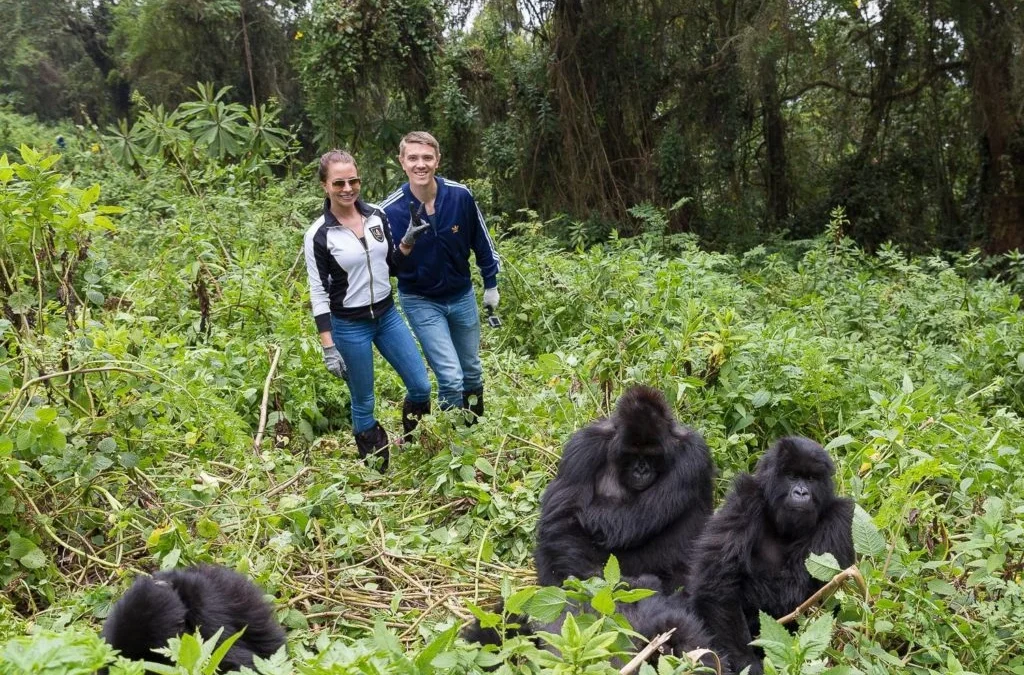
Short Rwanda Gorilla Safaris. Few wildlife encounters compare with sitting an arm’s length away from a mountain gorilla, watching a silverback chew bamboo shoots while a baby tumbles through the undergrowth. What surprises many travellers is how quickly it can happen in Rwanda. Because the country is compact, its roads are excellent and its gorilla families live within a few hours of the capital, you can meet the gorillas in as little as two days, and in some cases in a single long day. That is why short Rwanda gorilla safaris are among the most popular ways to see these rare animals.
This guide explains everything you need to plan one. You will find realistic one, two, three, four and five day options, 2026 permit prices, the best time to go, where to stay near Volcanoes National Park, what to pack, how to get a visa and how to combine Rwanda with Uganda if you have more time. If you would like an expert to arrange it all, Rwanda Gorilla Trekking Tours can plan your permit, transfers, lodge and guide so that you can focus on the gorillas.
What Is a Short Rwanda Gorilla Safari?
A short Rwanda gorilla safari is a compact itinerary, usually between one and five days, that is built around a single gorilla trek in Volcanoes National Park. Instead of spending a week or more travelling between parks, you fly into Kigali, drive to the northwest of the country, trek to see a habituated gorilla family and return home or continue to another destination. It is the ideal format for travellers with limited leave, for business visitors adding a wildlife day to a conference trip and for families who prefer a simple, well-organised plan.
Short does not mean rushed. A well-planned two or three day itinerary gives you an early night before your trek, a relaxed breakfast, a full morning with the gorillas and time to rest afterwards. It also lets you add smaller experiences, such as a golden monkey trek or a visit to a community village, if your schedule allows. The key is to match the length of the trip to your goals, your fitness and your budget.
Why Rwanda Is Perfect for a Short Gorilla Trek
Rwanda is one of the easiest countries in Africa in which to organise a short wildlife trip. Kigali International Airport receives flights from Europe, the Middle East and across Africa, and the drive from Kigali to the town of Musanze, the gateway to Volcanoes National Park, takes about two and a half to three hours on a paved road. Many lodges are only fifteen to thirty minutes from the park headquarters, so you spend your time trekking instead of travelling.
The country is also known for cleanliness, safety and good organisation. Park staff brief you carefully before the trek, gorilla families are assigned in a fair and structured way, and trackers and guides work hard to keep groups small. Combined with mild highland weather and friendly communities, this makes Rwanda a comfortable choice for first-time visitors to Africa. Our team at Rwanda Gorilla Trekking Tours plans short trips around these advantages, so nothing is wasted.
Volcanoes National Park: Home of the Rwanda Gorillas
Volcanoes National Park lies in the north-west of Rwanda, on the edge of the Virunga Mountains, a chain of extinct and dormant volcanoes shared with Uganda and the Democratic Republic of the Congo. The park protects steep bamboo forests, misty slopes and open meadows at altitudes above two thousand metres. It is also where the American scientist Dian Fossey spent years studying mountain gorillas, and her work helped turn a species on the edge of extinction into one of the great conservation stories of our time.
Today, about a dozen habituated gorilla families are open to visitors, and each family can be visited by a maximum of eight people a day. That strict limit protects the gorillas from stress and disease, and it is the reason permits are limited and priced accordingly. You are allowed one hour with the family once you find them, and most treks begin at the park headquarters in Kinigi after an early morning briefing.
Rwanda Gorilla Permit Prices in 2026
The gorilla trekking permit is the largest cost of any trip, so it helps to understand it early. The published rates are in the table below. Because tariffs can change, always confirm the current price before you pay.
| Visitor category | Published permit price per person | Notes |
|---|---|---|
| Foreign non-residents | USD 1,500 | Standard rate all year |
| Foreign non-residents, low season offer | USD 1,050 | Reported 30 percent discount for November to May when combined with time in Akagera or Nyungwe National Park |
| Foreign residents in Rwanda and other African citizens | USD 500 | Proof of residence or nationality required |
| Rwandan and East African citizens | About USD 200 | Proof of citizenship required |
The low-season discount is worth asking about if you can stay longer, since it usually requires at least two nights in Akagera or Nyungwe. Your permit covers park entry and the guided trek, but not transport, accommodation, porters, gratuities or visas. To see how our packages combine these costs into a single quote, get in touch with Rwanda Gorilla Trekking Tours.
How to Book a Rwanda Gorilla Permit
Permits are issued by the Rwanda Development Board, and they are allocated by date, so the earlier you book, the better your choice of days. For the busy months of June to September and December to February, book several months ahead. If you are flexible, shoulder months can be easier. A tour operator can secure a permit for you on the day you choose and combine it with transport and lodging, which is the simplest way to keep a short trip on schedule.
When you book, you need the full name of each traveller exactly as it appears on the passport, your passport number and your preferred date. Permits are non-transferable and are usually non-refundable once issued, so be sure of your dates. Some operators can offer a date change under specific conditions, but this is not guaranteed. If your trip includes a flight, book the permit first and then the flight, so that you do not end up with a ticket for a day with no permits left.
Best Time for a Short Gorilla Safari in Rwanda
Gorillas can be trekked all year, but the dry seasons are easier on the legs. The most comfortable months are generally June to September and December to February, when trails are less muddy and views are clearer. The rainy seasons, roughly March to May and October to November, bring lush green forest, fewer visitors and the low-season discount on permits, but the trails can be slippery and you must be prepared for rain.
If you have only a short window, a dry-season trip is the safest choice, because a shorter itinerary leaves little room to absorb bad weather. If your dates are fixed in the wet season, pack good rain gear, wear sturdy boots and treat the mud as part of the adventure. Either way, the gorillas do not mind, and the encounter is just as magical.
Short Rwanda Gorilla Safaris at a Glance: Which Length Suits You?
Before we look at each itinerary in detail, this table compares the five most common short options. Use it to decide how much time you need.
| Trip length | Best for | What you do | Pace |
|---|---|---|---|
| 1 day | Very tight schedules, layovers, business travellers | Early drive to Volcanoes, trek, drive back to Kigali | Very fast and tiring |
| 2 days | Most short-break travellers | Drive, overnight near the park, trek next morning, return | Balanced |
| 3 days | Travellers who want extra time in the Virungas | Gorilla trek plus golden monkeys or a Dian Fossey hike | Comfortable |
| 4 days | Nature and culture together | Kigali city, gorilla trek, lake or village visit | Relaxed |
| 5 days | Trekkers who want another park | Gorillas plus Akagera or Nyungwe | Full but comfortable |
1 Day Rwanda Gorilla Safari from Kigali
A one day gorilla trek is possible, but it is a demanding day. You leave Kigali before dawn, drive about two and a half to three hours to Kinigi, attend the briefing at the park headquarters, trek to the gorillas, spend your hour with them and then drive back in the afternoon. Because the trek can take anything from a couple of hours to most of a day depending on where the family has moved, you may return to Kigali late in the evening.
This option works best if you are fit, if you have a hard deadline, and if you are willing to accept that the timing depends on the gorillas. It is not a good idea if you have an evening flight, because a long trek or traffic could put your departure at risk. If you are unsure, choose the two day option, which costs little more in extra time and greatly reduces the stress. Our team at Rwanda Gorilla Trekking Tours can explain which option suits your flights and fitness.
2 Day Rwanda Gorilla Safari: The Most Popular Short Trip
Two days is the sweet spot for most travellers. On day one, you are collected in Kigali in the morning, driven to the Musanze area with a stop for coffee or views, and checked in at your lodge for a relaxed afternoon. You might visit a nearby village, walk in the gardens or simply rest, and you go to bed early. On day two, you have breakfast at dawn, join the briefing at the park headquarters, trek to your gorilla family, spend an hour with them and return to your lodge for lunch before the drive back to Kigali.
This plan gives you a full night’s sleep before the trek, which is important because trekking is physical. It also lets you keep your Kigali evening free for a late flight or a farewell dinner. You can ask our team for a ready-made two day plan and adjust it to your dates. If you prefer to sleep in Kigali on both nights and travel to the park only for the trek, the drive is long, so we recommend staying close to the park whenever possible.
3 Day Rwanda Gorilla Safari: Gorillas Plus Golden Monkeys
A three day itinerary adds a second experience in Volcanoes National Park without adding much cost. A popular plan is to spend day one travelling from Kigali to Musanze, day two trekking gorillas, and day three tracking golden monkeys before returning to Kigali. Golden monkeys are rare, playful primates with orange-gold fur that live in the bamboo forest, and they are a wonderful complement to the gorillas. Published tariffs list golden monkey tracking at up to about USD 100 for foreign non-residents, so confirm the current price when you book. If you would like a three day quote, send us your dates.
If you prefer a hike, you can replace the monkeys with the Dian Fossey tomb hike, a walk through the forest to the grave of the American scientist and the ruins of her research camp. Published tariffs list this hike at about USD 75 for foreign non-residents. Both activities are shorter and easier than a gorilla trek, and they give you more time to appreciate the Virunga landscape.
4 Day Rwanda Gorilla Safari: Kigali, Gorillas and Culture
Four days lets you combine wildlife with the story of Rwanda. A typical plan is to begin with a half day in Kigali, visiting the Kigali Genocide Memorial, a local market and a coffee shop, then drive to Musanze on day two, trek gorillas on day three and return on day four. The memorial is a moving and important place that helps visitors understand the country’s history and remarkable recovery, and many travellers say it deepens their appreciation of everything else they see.
You can also swap the Kigali time for a cultural experience near the park. Options near Musanze include village walks, traditional dance performances, craft workshops and cave visits, all of which support local families. Because these activities are set at a gentle pace, this is a good choice for families, for older travellers and for anyone who wants to balance adventure with rest.
5 Day Rwanda Gorilla Safari: Add Akagera or Nyungwe
With five days, you can pair the gorillas with a second park. Akagera National Park, in the east, offers savannah game drives with lions, elephants, giraffes, zebras, hippos and rhinos, and boat trips on Lake Ihema. Nyungwe National Park, in the south-west, is a vast mountain rainforest known for chimpanzee tracking, colobus monkeys, birdlife and a famous canopy walkway above the trees. Each park offers a very different experience from Volcanoes, so the combination gives you variety without a long trip.
This is also the itinerary to consider if you want to benefit from the low-season permit discount, because the reported offer applies to visitors who spend time in Akagera or Nyungwe between November and May. Confirm the current conditions when you book. If you have a week or more, both parks can be added, and Rwanda Gorilla Trekking Tours can build a custom plan.
Combining a Short Rwanda Gorilla Safari with Uganda
Rwanda’s neighbour Uganda is also home to mountain gorillas, in Bwindi Impenetrable National Park and Mgahinga Gorilla National Park, and the border at Cyanika links the Musanze area with the town of Kisoro. That makes it possible to trek in both countries on a single trip, and some travellers choose it to compare the experiences. If you want to fly into Kigali and out of Entebbe, or the other way round, this guide on beginning a tour from Kigali airport and ending in Entebbe explains how such a route can work.
If your route crosses into south-western Uganda, a good place to break the journey is Kisoro, and this page on Ikoro Hotel in Kisoro gives an idea of accommodation options in the town. After your Ugandan trek, this article on what to do after a gorilla tour in Bwindi is a useful resource for planning the rest of the journey. You can also browse Pick and Transfer Safaris for wider ideas on transfers and safari planning in the region.
Remember that border rules, visas and vehicle arrangements change, so confirm them well before you travel. A combined trip needs two separate permits, one from each country, and each country has its own price, so plan your budget accordingly. For a Rwanda-only trip, keep it simple: one permit, one lodge and one well-planned transfer.
Where to Stay Near Volcanoes National Park
Where you sleep on a short trip matters more than on a long one, because you have fewer nights to enjoy. The closer your lodge is to the park headquarters in Kinigi, the shorter your morning drive, and the more rest you get before the trek. Most visitors stay in or around Musanze, the town formerly known as Ruhengeri, or in lodges dotted along the foothills of the volcanoes.
At the top end, well-known luxury properties include Wilderness Bisate Lodge, One&Only Gorilla’s Nest, Singita Kwitonda Lodge, Sabyinyo Silverback Lodge and Volcanoes Virunga Lodge, which are known for their views, service and design. In the mid-range, names that appear often include Five Volcanoes Boutique Hotel, Amakoro Songa Lodge, Mountain Gorilla View Lodge and Da Vinci Gorilla Lodge, all of which offer comfortable rooms and easy access to the park. Budget travellers can find guesthouses and simple hotels in Kinigi and Musanze, such as Kinigi Guesthouse and Hotel Muhabura, though services and standards vary, so check recent reviews and confirm details before you book.
Good lodges fill quickly in the dry season, so reserve your room at the same time as your permit. If you are unsure which tier fits your budget, ask Rwanda Gorilla Trekking Tours for a recommendation based on your dates, group size and expectations. The right lodge can turn a short trip into a memorable one, with a fireplace after a wet trek, a hot meal and a view of volcanoes at sunrise.
What to Pack for a Short Gorilla Safari
Packing light is easy when your trip is short, but a few items make a big difference. Sturdy waterproof hiking boots are essential, because trails can be steep and muddy. Long trousers and a long-sleeved shirt protect you from nettles, thorns and insects, and a waterproof jacket is a must in any season, since Volcanoes National Park is a rainforest on a mountain. Bring layers, because mornings can be cold and the trek can be warm.
Gardening gloves are a favourite tip from experienced trekkers, as they protect your hands when you grab plants for balance. A small daypack, a refillable water bottle, snacks, sunscreen, a hat, insect repellent and a rain cover for your camera will complete the kit. Take a camera with a good low-light setting and switch off the flash, which is not allowed near gorillas. Keep your main luggage at the lodge and carry only what you need for the day. If you want a printable checklist, ask for one through our website.
How Hard Is Gorilla Trekking in Rwanda?
Difficulty depends on where your assigned gorilla family is that day. Some treks last an hour or two on gentle slopes, while others take five or six hours over steep, muddy, high-altitude terrain. The trek time is often quoted as anywhere from a couple of hours to most of a day, with an hour spent with the gorillas once you reach them. Altitude adds to the effort, because the park lies above two thousand metres, so you may feel breathless sooner than you expect.
You do not need to be an athlete, but you should be reasonably fit and comfortable walking for several hours. Park staff try to match visitors to families according to their ability, and you can ask for an easier or harder trek at the briefing. If you have health concerns, talk to your doctor and let your operator know. To prepare, walk regularly for a few weeks beforehand, practise on hills or stairs and break in your boots, because new boots and long treks do not mix.
Porters, Guides and Tips
Hiring a porter is one of the best decisions you can make. Porters carry your daypack, offer a hand on steep or slippery sections and give you a chance to support a local family. Typical porter fees are reported at about USD 15 to 20, and many visitors also give a gratuity. Rangers, trackers and guides work hard to find the gorillas and keep everyone safe, and tipping them is customary, although amounts are up to you.
Ask your operator for guidance on suitable tip amounts and on how to handle them respectfully. It also helps to carry some small notes in local currency or US dollars in good condition. The people who lead your trek know the forest, the gorilla families and the signs left by the animals, and their knowledge is a major part of what makes the experience special.
Gorilla Trekking Rules You Must Know
Rules exist to protect the gorillas, and they are strictly enforced. Visitors must be at least fifteen years old. You must keep your distance, generally about seven metres, and avoid direct eye contact with a silverback, since that can be read as a challenge. Do not eat, drink or smoke near the animals, and do not use flash photography. If you feel a cough, sneeze or stomach bug coming on, tell your guide, because gorillas can catch human illnesses.
Speak softly, move slowly and follow your guide’s instructions at all times. If a gorilla approaches you, stay calm, avoid running and let the guide handle it. Do not touch the animals, even if they touch you. These rules may feel strict, but they are the reason mountain gorilla numbers have grown, and they make the hour you spend with a family even more special.
More to Do in Volcanoes National Park and Musanze
If you have an extra day, Musanze and the surrounding area offer plenty to see. Golden monkey tracking and the Dian Fossey tomb hike are the most popular add-ons. Stronger hikers can climb Mount Bisoke, with its crater lake, at a published price of about USD 75 for foreign non-residents, or Mount Karisimbi, the highest of the Virungas, on a two-day trek at about USD 400. Published tariffs change, so confirm current figures.
Away from the volcanoes, you can visit the Musanze caves, walk to the Twin Lakes of Burera and Ruhondo, explore Buhanga Eco-Park or spend time at the Iby’Iwacu Cultural Village, where community members share dance, crafts and traditions. Each activity spreads tourism income beyond the park, which supports both conservation and local livelihoods. In September, Rwanda also holds the Kwita Izina gorilla naming ceremony, a celebration of conservation in which newborn gorillas are given names.
Combining Gorillas with Lake Kivu
Another option for a short trip is to pair the gorillas with a rest by Lake Kivu. The lakeshore towns in the west, such as Gisenyi (Rubavu), are about an hour and a half from Musanze, and they offer beaches, boat rides and relaxed cafes that provide a soft landing after a demanding trek. Many travellers add a night or two on the lake to unwind before heading back to Kigali or moving on.
This is a good plan for honeymooners and for families with older children, because it balances an active morning with a slow evening. If you like the idea, ask Rwanda Gorilla Trekking Tours to add lake time to your itinerary. A short safari does not have to be only about trekking, and a change of pace often makes the whole trip more enjoyable.
Extending Your Gorilla Trip Across the Border
Some travellers who love their Rwanda trek decide to see the gorillas of Uganda too. The experience differs in setting and style, because Uganda’s Bwindi forest is dense and ancient while Rwanda’s Volcanoes park is a mountain landscape of bamboo and open slopes. If you extend your journey to Kisoro, the article on Ikoro Hotel in Kisoro is a useful starting point for accommodation ideas, and the guide on what to do after a gorilla tour in Bwindi will help you plan the days that follow. The wider Pick and Transfer Safaris website is also worth a look for regional transfer ideas.
Getting to Rwanda: Flights, Kigali Airport and Transfers
Most international visitors arrive at Kigali International Airport, which is about twenty minutes from the city centre. RwandAir and several international airlines connect Kigali with Europe, the Middle East and many African cities, and the airport is easy to navigate. From Kigali, the road to Musanze is paved and scenic, passing terraced hills, small towns and roadside markets. Private transfers with a driver-guide are the most comfortable way to travel, because they let you stop for photographs and start early on trek day.
If you plan to enter through one country and exit through another, plan your flights carefully. Open-jaw tickets, for example into Kigali and out of Entebbe, can save time but need a well-planned overland connection. The article on starting a tour in Kigali and ending in Entebbe is a helpful reference when you consider such a route. Whichever way you travel, allow a buffer of at least a few hours between your trek and any onward flight.
Rwanda Visas and Entry Requirements
Rwanda has one of the most visitor-friendly entry systems in Africa. According to the country’s official tourism information, citizens of all countries can obtain a visa on arrival, and the visa fee is capped at USD 50 for a single entry. Travellers from African Union, Commonwealth and La Francophonie member states can receive a free 30-day visa on arrival, and citizens of East African Community countries receive a free entry pass for stays of up to six months. Some countries receive longer free stays, so check the official list.
You can also apply for an e-visa online before you travel, which saves time at the airport. Make sure your passport is valid for at least six months and has blank pages. Health requirements, including any yellow fever vaccination certificate, can depend on your route and nationality, so check the current rules with your doctor and the official immigration website before you fly. Rules change, so confirm everything in advance, and our team can guide you through the steps for your nationality.
What Does a Short Rwanda Gorilla Safari Cost?
The permit is the biggest part of your budget, at USD 1,500 per person for foreign non-residents on the standard published rate, with a lower rate for the low season if you meet the conditions. On top of the permit, you need to budget for transport, accommodation, meals, porters, tips, visas and any extra activities such as golden monkey tracking. Lodging can range from simple guesthouses to some of the most luxurious lodges in Africa, so your choice of lodge will change the total more than any other factor.
The best way to control cost is to be clear about your priorities. If you want to see the gorillas and nothing else, a two day plan with a mid-range lodge is efficient. If you want comfort and views, a luxury lodge will raise the price but improve the experience. Ask for a written quotation that lists exactly what is included and excluded, and compare it carefully. To receive a plan based on your dates and budget, contact Rwanda Gorilla Trekking Tours.
Why Plan Your Short Gorilla Safari with a Local Team?
A short trip leaves little room for mistakes, which is why local knowledge matters. A good operator secures your permit, arranges a lodge close to the park, schedules transfers so that you arrive rested, briefs you on what to expect and manages the small details that can otherwise spoil a trip. It also provides a driver-guide who understands the roads, the weather and the rhythm of the park.
Our aim at Rwanda Gorilla Trekking Tours is to make each short safari smooth and memorable, from the first message to the moment you say goodbye to the gorillas. Whether you are travelling alone, as a couple, with family or with colleagues, we can adjust the plan to your pace. If you would like to see how we can help, visit our website and send us your dates.
Travelling Responsibly: How Your Trek Protects the Gorillas
Gorilla tourism is a conservation success story. Mountain gorillas were once on the brink of extinction, and their numbers have grown thanks to anti-poaching patrols, veterinary care, community involvement and tourism income. Every permit helps pay for the rangers and trackers who guard the forest, and a share of tourism revenue supports schools, health centres and other projects in nearby communities.
You can add to that impact by travelling thoughtfully. Follow the rules, hire local guides and porters, buy crafts from community cooperatives, avoid plastic waste, and stay in lodges that support conservation and local jobs. Choosing a short trip does not reduce your impact, because the same permit fees go to the park. It simply makes it easier for more people to take part.
A Sample Two Day Plan You Can Copy
Here is an example of a simple two day plan. On day one, you are collected from your Kigali hotel or the airport in the morning and travel to Musanze, with a coffee stop on the way. You arrive at your lodge in time for lunch, then relax, visit a nearby community or take a short walk, and enjoy an early dinner. On day two, you wake at dawn, eat breakfast, drive to Kinigi for the briefing, trek to your gorilla family and spend an hour with them.
After the trek, you return to your lodge to clean up and eat, then drive back to Kigali in the afternoon. You arrive in the evening, with time for dinner or an onward flight the next morning. You can extend this plan by adding golden monkeys, a Dian Fossey hike or a lake visit, and if you are heading to Uganda next, the tips at Pick and Transfer Safaris can help you connect the pieces. For a plan tailored to your dates, speak to Rwanda Gorilla Trekking Tours.
Common Mistakes on Short Gorilla Trips
The first mistake is booking the flight before the permit, which can leave you with no available dates. The second is choosing a one day trip without considering the physical demand and the risk of a late finish. The third is packing the wrong footwear, since trainers can slip in wet mud and turn a great trek into a painful one. Another common error is scheduling a tight onward flight on the same evening as the trek.
Travellers also underestimate the value of a good night’s sleep, and skip the lodge close to the park in favour of a cheaper option in Kigali. Others forget that permits are non-transferable, so a name misspelling or a missed date can be costly. Avoid these mistakes by planning early, allowing a buffer day where possible and asking an experienced operator to review your schedule.
Frequently Asked Questions About Short Rwanda Gorilla Safaris
Can I see the gorillas in one day from Kigali?
Yes, it is possible, but the day is long. You drive about two and a half to three hours each way and trek for anything from a couple of hours to most of a day. A two day trip is more comfortable and lower risk, and you can ask us to compare both options for your flights.
How much is a gorilla permit in Rwanda?
The published standard price is USD 1,500 per person for foreign non-residents, with lower rates for foreign residents, other African citizens and East African citizens. A low-season discount has been reported for November to May with conditions, so confirm the current rate before booking.
What is the minimum age for gorilla trekking?
Visitors must be at least fifteen years old. Children under this age cannot join the trek, but families can enjoy other activities nearby while older members trek.
How long do you spend with the gorillas?
You get one hour with the gorilla family once you find them. The trek itself can take anywhere from a couple of hours to much of the day, depending on where the gorillas are.
Is Rwanda safe for a short gorilla trip?
Rwanda is widely regarded as one of the safest and best-organised countries in Africa for visitors. As anywhere, follow official travel advice, keep valuables secure and use trusted transport.
Can I combine Rwanda and Uganda gorillas?
Yes. The border near Kisoro links the two areas, but you need a separate permit for each country and extra time for border crossing. You can read more about the Uganda side in the guide on what to do after a gorilla tour in Bwindi.
Book Your Short Rwanda Gorilla Safari Today
A short Rwanda gorilla safari is one of the most rewarding trips you can take. In as little as two days, you can leave the city, climb into misty volcanic forest and share an hour with one of the rarest animals on Earth. With a little planning, the right lodge and a dependable local team, the journey is smooth, comfortable and unforgettable.
Ready to begin? Send us your travel dates, group size and preferred trip length through Rwanda Gorilla Trekking Tours, and we will help you choose the best itinerary and secure your permit. Permits are limited every day, so the sooner you plan, the better your chance of getting the date you want. The gorillas are waiting.