- LET'S PLAN YOUR SAFARI
- +256 200 921 002
- +256 793 194 703
- info@rwandagorillatrekkingtours.com

Where to see Lions on Rwanda Safaris
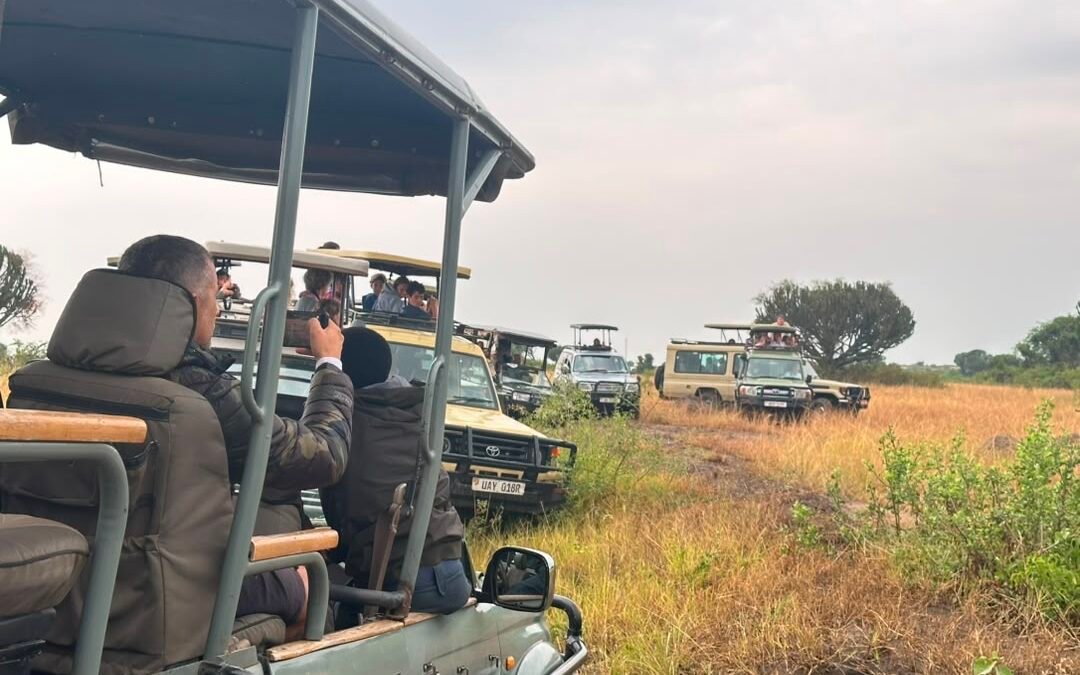
Where to see Lions on Rwanda Safaris. Mention Rwanda and most people picture gorillas in the mist, and with good reason. But a growing number of travellers are asking a different question: can you see lions in Rwanda too? The answer is a confident yes. Tucked into the east of the country, along the border with Tanzania, is a savannah park where a pride of big cats once again patrols open plains that were silent for years. If you have been wondering where to see lions on Rwanda safaris, this guide gives you the full picture.
The short version is that Akagera National Park is the place. It is Rwanda’s only savannah park, its only Big Five destination and the only location in the country where wild lions live. Everything else in this guide builds on that fact: how the lions came back, where in the park you are most likely to find them, when to go, how many days you need, which itineraries work best and what to expect on a game drive. You will also discover where else in the region you can see lions, including Uganda’s famous tree-climbing prides, so that you can decide whether to extend your trip.
Along the way, you will find real starting prices from our own safari packages, so you can compare options with confidence. Whether you are planning a quick add-on to a gorilla safari or a dedicated big-cat adventure, you will finish this article knowing exactly how to plan it.
The Quick Answer: Akagera National Park Is Rwanda’s Lion Country
Akagera National Park is where you go to see lions in Rwanda, and the good news is that it is easy to reach. The park lies roughly two and a half to three hours by road from Kigali, on smooth tarmac that passes through terraced hills and the town of Kayonza before reaching the park gates. That means you can leave the capital in the morning, be checked into your lodge by lunchtime and set off on an afternoon game drive with a real chance of finding lions on your very first day.
The park covers a mosaic of open plains, acacia woodland, wetlands and lakes, and it is the wildlife equivalent of a greatest-hits album: lions, elephants, buffalo, giraffes, zebras, topi, impala, hippos and crocodiles, plus black and white rhinos and leopards for the patient. For a deeper look at the park, read our Akagera National Park guide and this Akagera National Park overview.
Why You Will Not See Lions in Rwanda’s Other National Parks
Rwanda’s other parks are wonderful, but they are not lion habitat. Volcanoes National Park sits high on the slopes of volcanic mountains, covered in bamboo, hagenia forest and alpine meadows, and its stars are the mountain gorillas and golden monkeys. Nyungwe Forest National Park is a vast, dense montane rainforest famous for chimpanzees, colobus monkeys and its canopy walk. Gishwati-Mukura is a restored forest reserve. None of these landscapes suits a large savannah predator that hunts grazing animals across open ground.
Lions need what Akagera has: wide grassy plains, herds of prey animals and plenty of water. That is why a Rwanda safari that includes lions must include Akagera. The good news is that this park pairs beautifully with the primate parks, so you can enjoy the cool green forests and the warm golden savannah on the same trip. If you would like to compare all the parks, our Volcanoes National Park guide and Nyungwe Forest National Park guide explain what each one offers.
The Comeback Story: How Lions Returned to Akagera
Akagera’s lions have a remarkable history. After years of conflict, land pressure and poaching, the park’s lions disappeared, and for well over a decade the savannah had no big cats at all. It was a sad chapter for a landscape that had once been a classic East African wildlife reserve. Then, through a long-term management partnership and a bold conservation programme, the park was revived. Fences were improved, anti-poaching patrols were strengthened and the community around the park was brought into the story.
In 2015, lions were reintroduced to Akagera from South Africa, marking the return of the king of the savannah to Rwanda. Since then, the prides have grown through natural breeding and have spread across the Kilala Plains and surrounding woodland, and sightings have become increasingly reliable. Today the lions are a symbol of how conservation and tourism can work together, because visitors’ park fees and lodge stays help fund the rangers and programmes that keep them safe. Numbers change over time, so ask your guide or operator for the latest estimate when you plan your trip.
Best Places in Akagera to See Lions
Lions can appear anywhere in the park, but a few areas have earned a reputation for the best chances. The Kilala Plains, in the central and southern parts of the park, are the classic lion habitat, where open grassland, scattered trees and large herds of prey create ideal hunting conditions. Prides range across these plains and the surrounding woodland, and guides know their favourite resting spots, waterholes and hunting routes.
Further north, the Magashi Peninsula, a private concession overlooking Lake Rwanyakazinga, offers an even more exclusive and intimate way to see the Big Five. Fewer vehicles, longer stays and skilled local guides make it one of the most rewarding areas for serious wildlife enthusiasts. The southern and central sections are easier to reach for shorter trips from Kigali, while the north suits travellers who want a deeper, more remote experience. Your operator can recommend the right area for your budget and time.
Best Time of Day to Look for Lions
Lions are most active in the cooler hours, which means your best game drives will begin before sunrise or in the late afternoon. During the heat of the day, they typically rest in the shade for many hours, often sprawled under trees or in tall grass where they are hard to spot. At dawn and dusk, they become more alert, stretch, move between resting spots and, if conditions are right, begin to hunt.
That is why a good itinerary schedules an early morning game drive, a midday break at the lodge and another drive in the late afternoon. An optional night drive can also be rewarding, because it opens a completely different world of wildlife, including leopards, hyenas, civets and bush babies. Ask your guide to leave early, because the first light of the day often delivers the most dramatic sightings and the most comfortable temperatures.
Best Time of Year to See Lions in Rwanda
Akagera can be visited year-round, but the dry seasons of June to September and mid-December to mid-February make wildlife viewing easier. When the grass shortens and water becomes scarce, animals concentrate near the remaining rivers and lakes, and lions follow their prey to the same places. The landscape opens up, roads are in better condition and sightings become more predictable.
The wetter months, from March to May and from October to mid-December, bring lush green scenery, dramatic skies and excellent birdwatching. Lions are still present, and quieter lodges and lower rates make these months attractive for budget-conscious travellers, but the taller grass can make it harder to see them. A 4×4 remains essential on park roads in the rains. If seeing lions is your top priority, aim for the dry season and book your lodge early.
How Many Days Do You Need to See Lions in Rwanda?
Wildlife is unpredictable, so the more time you allow, the better your chances. A minimum of two nights in Akagera is recommended, giving you an afternoon drive on arrival, a full day with morning and afternoon activities and a final morning drive before you leave. This schedule offers at least three or four opportunities to search for lions and lets you combine game drives with a boat safari on Lake Ihema for variety.
If lions are the main reason for your trip, consider adding a third night or basing yourself in the northern Magashi area, where you can spend longer in the field with fewer vehicles around. Short day trips from Kigali are possible, but they leave little margin for weather and luck. Lions sleep for much of the day, and the difference between a lucky sighting and a long wait can be a single extra drive.
Best Rwanda Safari Packages for Seeing Lions
Rwanda offers several ready-made itineraries that put you in lion country, from a compact Akagera trip to a multi-park adventure. All of them include private 4×4 transport with an English-speaking driver-guide and can be tailored to your dates, group size and budget. Explore the full collection on our wildlife safaris page and the wider selection of wildlife safaris.
3 Days Akagera National Park Safari from Kigali
For a dedicated big-cat trip, the 3 days Akagera National Park safari from Kigali is our most focused option, listed from around USD 2,000 per person. It includes two nights in the park, game drives across the Kilala Plains, a boat safari on Lake Ihema and an optional night drive. With two full drives on day two and a final morning drive on day three, you have several chances to find lions. Read the details in this 3-day Akagera safari itinerary.
4 Days Rwanda Wildlife and City Tour
If you want to pair your big-cat search with culture, the 4 days Rwanda wildlife and city tour, listed from about USD 1,800 per person, combines a day in Kigali, including the Kigali Genocide Memorial, with two full days of game viewing in Akagera. It is an excellent introduction to Rwanda and one of the more affordable ways to search for lions. See it presented in this wildlife and city tour guide.
5 Days Rwanda Wildlife and Gorillas
Want lions and gorillas in one trip? The 5 days Rwanda wildlife and gorillas safari starts in Akagera with two nights of game drives and a boat safari, then moves to Volcanoes National Park for a gorilla trek and golden monkey tracking. Listed from about USD 4,300 per person, it is the classic savannah-to-volcano combination and the choice we recommend most often for first-time visitors. Compare the plan with this 5-day wildlife and gorillas itinerary.
7 and 10 Day Rwanda Safaris for the Full Picture
With a week or more, you can enjoy a slower pace and see far more of the country. The 7 days best of Rwanda safari links Volcanoes, Nyungwe and Akagera, giving you gorillas, chimpanzees and lions in one journey. The 10 days Rwanda wildlife gorilla tour adds deeper cultural experiences and extra time in each park. Both give you more chances to find lions and less pressure to squeeze everything into a few days.
Game Drive or Boat Safari: Which One Shows You Lions?
Only game drives will take you to lions. Boat safaris on Lake Ihema are magnificent, with close views of hippos, crocodiles and a huge variety of waterbirds, but they are a separate experience, and lions rarely appear along the shoreline. Game drives across the plains and woodland are the only way to encounter Akagera’s lions, elephants and rhinos, so make sure your itinerary includes several of them.
That said, the two activities complement each other well. A morning game drive followed by an afternoon boat safari gives you the best of both worlds, and the contrast between the open plains and the water’s edge is what makes Akagera feel like two parks in one. If you enjoy a trip with a full mix of scenery, keep both on your schedule.
Understanding Lion Behaviour on a Game Drive
Knowing a little about lions makes every sighting richer. Lions live in prides made up of related females, their cubs and one or more resident males, and they spend most of the day, often up to twenty hours, resting. That is why a pride lying motionless in the shade is completely normal, and why patience is your best tool. Females do most of the hunting, working together to stalk and ambush prey such as zebra, topi and buffalo, while the males defend the territory and announce their presence with deep roars that can carry for many kilometres across the plains.
If you are lucky, you may see cubs wrestling, a lioness grooming her sisters or a pride moving to a new resting place at dusk. Even a quiet sighting is thrilling when you remember that these animals were absent from Rwanda for years. Your guide can explain what you are seeing and help you interpret the body language of the pride, from a flicking tail to a lifted head.
Night Drives and Sunset Game Drives
An evening or night drive is one of the most exciting ways to extend your search. As the light fades, predators become more active, and the beam of a spotlight reveals a nocturnal world of leopards, hyenas, civets and bush babies. Lions may also be on the move, and although sightings are never guaranteed, the atmosphere of a night drive, with the sounds of the African bush all around you, is unforgettable.
Many of our itineraries offer a night drive as an optional activity, and it is worth adding if your schedule allows. Wrap up warmly, since the open vehicle can be chilly, and let your eyes adjust to the darkness. Your guide will follow park rules and stay on designated tracks, so that both the animals and visitors remain safe.
Is Akagera Good for First-Time Safari Travellers and Families?
Akagera is an excellent introduction to safari life, because it is compact, comfortable and easy to reach from Kigali. Game drives are done from a private 4×4, so they suit travellers of almost any age or fitness level, and children usually love spotting animals from the vehicle and seeing hippos and crocodiles on the boat safari. There is no minimum age for most Akagera activities, although you should check the rules for specific lodges and optional extras.
Families often combine Akagera with a cultural visit or a Kigali city tour for variety, and older members can add a gorilla trek in Volcanoes, which requires visitors to be at least 15. A well-planned trip with shorter drives, rest time and a flexible daily schedule keeps everyone comfortable and engaged. Tell your operator the ages and interests of your group and the team can design the perfect plan.
Tips for Finding Lions on Safari
Spotting lions takes a combination of skill, patience and luck, and a few habits can improve your odds. Start early, because morning is prime time. Listen to your guide, who knows the pride territories, can read tracks and will pick up alarm calls from other animals. Scan the horizon with binoculars for shapes under trees or in the tall grass, and watch for changes in the behaviour of zebras, topi and giraffes, which often stare intently in the direction of a predator.
Once you find lions, stay quiet, stay inside the vehicle and give the animals space. Lions may look relaxed, but they are wild predators and must never be approached on foot. Turn off your engine when your guide advises it, avoid sudden movements and enjoy the show. A sleeping pride can suddenly wake, stretch, play with cubs or begin a stalk, and those moments are worth waiting for. Bring a hat, water and plenty of patience, because the best sightings sometimes reward the longest waits.
What Else You Can See in Akagera Besides Lions
Even if the lions decide to hide, Akagera never disappoints. Elephants gather near the lakes and waterholes, buffalo graze the plains in large herds, and giraffes stroll across the open savannah with their unmistakable grace. Zebras, topi, impala and waterbuck fill the grassland, while hippos and crocodiles dominate the lakes. Black and white rhinos have been reintroduced and can be seen with patience in the denser bush, and leopards, though elusive, can sometimes be found on night drives.
Birdwatchers are equally well served, with close to 500 species recorded, from African fish eagles and kingfishers to papyrus specialists around the wetlands. A safari here is about far more than a single animal, and the variety of habitats ensures that every game drive feels different.
Where to Stay Near Rwanda’s Lions
Accommodation in and around Akagera spans a range of budgets. The lakeside Ruzizi Tented Lodge offers a scenic mid-range option, while the Akagera Rhino Lodge is a budget-friendly choice for travellers who want to keep costs down. At the top end, the exclusive Magashi Camp, in the private northern concession, typically costs from about USD 500 to more than USD 1,200 per person per night on a fully inclusive basis covering meals, drinks and guided activities, including private boat excursions.
Choose your lodge according to your priorities. Staying inside or right next to the park saves time and maximises your hours in the field, while staying further away can lower costs. Book early for the dry-season months, when the best rooms fill quickly, and look for lodges that support community and conservation projects. Our team can recommend properties that match your style and price range.
How Much Does a Lion Safari in Rwanda Cost?
Costs depend on the length of your trip, your accommodation level and group size. Our published starting prices give a helpful guide: about USD 1,800 per person for the four-day Akagera and Kigali programme, around USD 2,000 for the three-day Akagera safari and roughly USD 4,300 for the five-day wildlife and gorillas itinerary, which includes the gorilla permit. These prices typically include private 4×4 transport, accommodation, meals as specified, park fees and activities, but exclude international flights, visa fees, insurance, tips and personal spending.
You can lower the cost by travelling in the low season, choosing budget or mid-range lodging, sharing a vehicle and keeping your stay short. Premium camps such as Magashi raise the total but reward you with exclusivity and depth. Tell our team your budget and we will design a plan around it. To start the conversation, contact our safari experts with your dates and group size.
Combine Lions with Gorillas, Chimpanzees and Kigali
One of the great strengths of Rwanda is that lions are only part of the story. Because the country is compact, Akagera pairs easily with the primate parks, and you can enjoy a lion safari and a gorilla trek within a single week. Many travellers start with the savannah and finish in the volcanoes, so that the physically demanding trek comes last. You can add the 2 days Volcanoes gorilla trek from Kigali to an Akagera stay for a flexible route, or extend into Nyungwe for chimpanzees and the canopy walk with the 3 days Nyungwe safari.
Kigali is worth a day of its own. The Genocide Memorial, the Inema Arts Center and the city’s markets and cafés offer cultural depth that complements the wildlife. See our Kigali City travel guide or this Kigali City overview for ideas, and read more about the mountain side of the trip in this Volcanoes National Park guide.
Beyond Rwanda: Where Else to See Lions in the Region
If you fall in love with big cats, or you want a wilder and more lion-rich landscape, consider adding Uganda to your itinerary. Uganda’s western and northern parks are home to several lion prides and offer some of the most distinctive big-cat viewing in Africa. The two countries are close, and cross-border itineraries allow you to see gorillas in Rwanda, lions in Uganda and chimpanzees in the forests in between, all within one trip.
Uganda’s parks also tend to be larger, with longer drives, so plan more days. Our Ugandan packages, described next, start in Entebbe or Kampala, but you can build a route that links with Rwanda, and this article explains how you can begin in Kigali and end in Entebbe to avoid backtracking.
Queen Elizabeth National Park: Uganda’s Tree-Climbing Lions
Queen Elizabeth National Park sprawls across the Great Rift Valley floor in western Uganda, and it is one of the finest places in Africa to see lions. The open grasslands of the Kasenyi Plains support lion prides alongside buffalo, elephants and Uganda kob, and morning game drives here give strong chances of a sighting. In the far south, the Ishasha sector is famous for its tree-climbing lions, a rare behaviour seen in only a handful of places worldwide, in which prides rest in the broad, low branches of fig and sausage trees during the heat of the day.
Seeing a lioness draped over a branch, half asleep and swatting flies with her tail, is one of the most unusual spectacles in African wildlife. You can read more in our Queen Elizabeth National Park guide and this Queen Elizabeth National Park overview. For a compact trip, the 3 days safari to Queen Elizabeth National Park, listed from about USD 700 per person, covers game drives across Kasenyi and a Kazinga Channel cruise, with Ishasha available as an optional extra. See the same route in this 3-day Queen Elizabeth itinerary.
4 Days Wildlife and Primate Safari: Lions and Chimpanzees in Uganda
If you would like lions and chimpanzees together, the 4 days wildlife and primate safari, listed from about USD 1,550 per person, pairs Queen Elizabeth with Kibale Forest, home to Africa’s highest concentration of wild chimpanzees. You enjoy game drives, a Kazinga Channel cruise, a chance at the Ishasha tree-climbing lions and a morning tracking chimpanzees through ancient rainforest. The two parks are only around three hours apart, so the trip is compact and well paced. View the plan in this 4-day wildlife and primate safari guide.
Murchison Falls National Park: Lions on the Northern Plains
Murchison Falls National Park, in northern Uganda, offers another chance to see lions in an entirely different setting. Several prides range across the open grasslands north of the Victoria Nile, and a vehicle ferry crossing at Paraa links the southern and northern banks and the northern game-drive circuit where most lion and giraffe sightings occur. The park also delivers the thrilling launch cruise to the base of the falls, elephant herds along the river and even the chance to spot a shoebill stork.
Learn more in our Murchison Falls National Park guide and this Murchison Falls overview. The 3 days safari to Murchison Falls, listed from about USD 700 per person, combines a northern game drive, the falls cruise and a two-night stay in the park. For a much larger circuit that includes gorillas, chimpanzees and Big Five landscapes, look at the 10 days Uganda Rwanda safari.
Rwanda vs Uganda for Lion Viewing: How Do They Compare?
Both countries offer rewarding lion encounters, but they feel different. Akagera is compact and easy to reach, so you can see lions on a short trip from Kigali, and a smaller park often means shorter drives and a more relaxed experience. The comeback story adds a special emotional layer, and lion sightings have become increasingly reliable as the population has grown. It is the best choice for travellers who are already in Rwanda for the gorillas and want a big-cat add-on without a border crossing.
Uganda’s larger parks give you variety, including the unique tree-climbing lions of Ishasha and open plains in both Queen Elizabeth and Murchison Falls. Distances between parks are longer, so you need more days, but the range of wildlife is broader, and packages can be very affordable. If you want lions as the centre of your safari, or you plan a longer East African journey, Uganda is well worth adding. If you have limited time and want everything in one small country, stay with Rwanda.
What to Pack for a Lion Safari in Rwanda
Pack light, comfortable clothing in neutral colours such as khaki, olive and beige, since bright colours can be distracting on game drives. Bring a wide-brimmed hat, sunglasses, sun cream and a light waterproof jacket, plus a warm layer for early mornings and evenings when the open vehicle can feel surprisingly cool. Closed shoes are best for walking around your lodge.
A pair of binoculars is essential, because they turn distant shapes under trees into sharp views of lions. Add a camera with a zoom lens, spare batteries and memory cards, a reusable water bottle and insect repellent. Akagera lies at a lower altitude, where mosquitoes are more common, so speak to a travel clinic about malaria precautions before you go. Leave single-use plastic bags at home, as they are banned in Rwanda.
Photography Tips for Photographing Lions
Great lion photographs come from patience and preparation. Use a lens of at least 200 millimetres, ideally 400, so that you can fill the frame without disturbing the animals. Shoot in the golden light of early morning and late afternoon, when the colours are warm and the shadows are soft. Keep your camera ready on the seat beside you, choose a fast shutter speed for action and focus on the eyes for portraits.
Look beyond the obvious. Cubs playing, a lioness grooming her pride or a male yawning in the shade can produce more memorable images than a static portrait. Turn off any beeps and flash, avoid sudden movements and let your guide position the vehicle. Above all, remember to put the camera down now and then and watch the animals with your own eyes.
How Your Safari Helps Protect Rwanda’s Lions
Lions are back in Rwanda because people decided to bring them home. Tourism plays an essential role in keeping them safe, since park fees, lodge revenues and safari bookings fund the rangers, anti-poaching patrols, veterinary support and community projects that protect Akagera’s wildlife. Local communities also benefit through jobs, training and revenue sharing, which gives them a direct interest in seeing the animals thrive.
You can add to that impact by choosing local guides, staying at lodges that employ neighbouring villagers, respecting park rules and never leaving litter. Every responsible visit helps ensure that the sound of a lion’s roar carrying across the plains at dusk will remain part of Rwanda’s future.
Why Book Your Rwanda Lion Safari with Rwanda Gorilla Trekking Tours
Designing a wildlife safari that puts you in the right place at the right time takes local knowledge. Working with an experienced team gives you access to skilled driver-guides who know where the prides roam, help with park entries and lodge bookings, and a plan that fits your budget and schedule. Learn more about who we are on our about us page.
If you would like to go even further, our extended safaris combine Rwanda with neighbouring countries for longer East African adventures. Every itinerary can be adjusted, so tell us what you dream of seeing and we will shape a plan around it.
Frequently Asked Questions About Seeing Lions in Rwanda
Where can I see lions in Rwanda?
Akagera National Park in eastern Rwanda is the only place in the country where wild lions live. The prides range across the Kilala Plains and the surrounding woodland, with more exclusive viewing in the northern Magashi area.
Are lions guaranteed in Akagera?
No wildlife sighting is guaranteed, but lion sightings have become increasingly reliable since the animals were reintroduced in 2015. Staying at least two nights, joining early morning drives and travelling in the dry season all improve your chances.
How many days do I need in Akagera to see lions?
Two nights is the recommended minimum, which gives you several game drives. A third night or a stay in the north increases your chances and lets you enjoy a boat safari as well.
Can I see lions and gorillas on the same trip?
Yes. Many itineraries pair Akagera with Volcanoes National Park, and the five-day wildlife and gorillas safari is the classic example. The two parks lie at opposite ends of the country, so allow a full day for the transfer.
Are there tree-climbing lions in Rwanda?
No. Tree-climbing lions are found in the Ishasha sector of Queen Elizabeth National Park in Uganda, which you can add to a cross-border itinerary.
Is it safe to see lions in Akagera?
Yes, provided you follow your guide’s instructions. Game drives take place in vehicles, and you should never leave the vehicle or approach the animals on foot. Guides are trained to position vehicles safely and read animal behaviour.
Ready to See Lions in Rwanda?
Rwanda may be famous for gorillas, but its lions are a triumphant chapter in African conservation and a spectacular addition to any itinerary. In Akagera you can watch prides move across golden plains, follow elephants to the water’s edge and cruise beside hippos on a quiet lake, all just a few hours from the capital. Add gorillas, chimpanzees or a cross-border trip to Uganda and you have the makings of an extraordinary journey.
Start planning early, because the best dry-season lodges and gorilla permits sell out quickly. Browse our full range of gorilla safaris, then get in touch with our team to receive a personalised quote. For more inspiration, see the wider collection of gorilla safari options, and let us help you turn your dream into a journey to remember.