- LET'S PLAN YOUR SAFARI
- +256 200 921 002
- +256 793 194 703
- info@rwandagorillatrekkingtours.com

Tours Combining Volcanoes and Akagera National Park
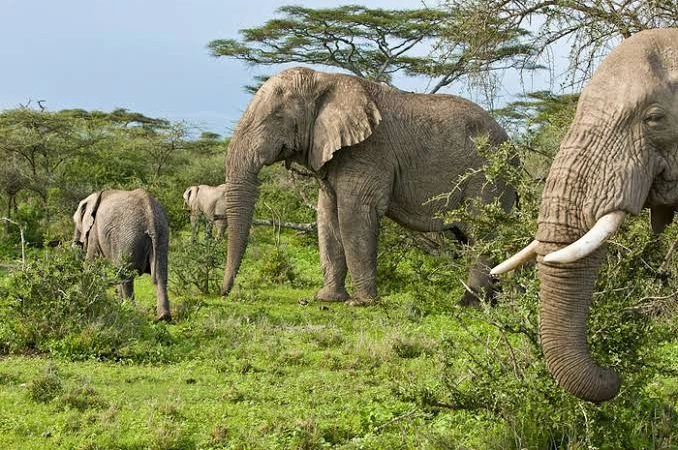
Tours Combining Volcanoes and Akagera National Park. Rwanda is often described as a country of misty mountains and gentle hills, and that is true. But hidden in the east, on the border with Tanzania, lies a completely different Rwanda: a warm, open savannah of acacia woodland, papyrus-fringed lakes and rolling grassy plains where lions, elephants, rhinos, buffalo and giraffes roam. Bring these two worlds together and you get one of the most satisfying wildlife journeys in East Africa. That is why tours combining Volcanoes and Akagera National Park have become so popular with travellers who want more than a single highlight.
In the morning you might be hiking through bamboo forest to sit with a family of mountain gorillas, and a couple of days later you could be drifting past hippos on Lake Ihema or watching a lion pride from your safari vehicle. Both parks are small, both are impeccably managed and both are close enough to Kigali to be linked in as few as four or five days. Our range of gorilla safaris includes several routes that do exactly this.
This guide explains everything you need to plan the perfect two-park trip: how the parks differ, how far apart they are, which itineraries work best, what the permits cost, when to travel and what to expect on the ground. You will also find real starting prices from our package pages so that you can compare options with confidence.
Why Combine Volcanoes and Akagera in One Rwanda Safari?
The main reason is variety. Gorilla trekking in Volcanoes National Park is an intimate, emotional experience that unfolds on foot in cool, high-altitude forest. Akagera, by contrast, is a classic safari: you sit in a vehicle or a boat, scanning open plains and lake shores for wildlife. Together they give you two completely different ways of encountering nature, and together they show most of what makes Rwanda such a rewarding destination.
The second reason is convenience. Rwanda is compact, and both parks lie within a few hours of the capital in opposite directions. You start and end in Kigali International Airport, use good tarmac roads and never need an internal flight. A well-designed itinerary can also place the physically demanding gorilla trek near the end of your trip, so you enter the forest rested and enjoy the more relaxed game drives first. It is a smart, low-stress way to see the country’s flagship wildlife.
Finally, combining the parks makes financial sense. Rwanda’s gorilla permit is a significant cost, and when you are already paying it, adding a few days of Big Five game viewing is an inexpensive way to multiply what you get from the trip. In some seasons, promotional permit discounts are even available for travellers who spend nights in more than one national park, which we explain later in this guide.
Two Parks, Two Worlds: Misty Mountains and Open Savannah
Volcanoes National Park sits in the north-west of Rwanda, at elevations between roughly 2,400 and 4,500 metres, and forms part of the Virunga Massif shared with Uganda and the Democratic Republic of Congo. It is cool, green and often shrouded in cloud, with five volcanic peaks rising above the bamboo forest: Karisimbi, Bisoke, Muhabura, Gahinga and Sabyinyo. The atmosphere is quiet and mystical, and the main activities are treks on foot.
Akagera National Park lies in the east, along the border with Tanzania, at a much lower altitude. Here the climate is warm, the landscape is open and the wildlife is easy to spot from a vehicle. The park protects a mosaic of savannah, woodland, wetlands and a chain of lakes, and it is the only place in Rwanda where you can see the Big Five: lion, leopard, elephant, buffalo and rhino. The contrast between the two parks, in altitude, temperature, scenery and pace, is exactly what makes the pairing so memorable.
Volcanoes National Park: Gorillas, Golden Monkeys and Volcanic Scenery
Volcanoes National Park is the heart of Rwanda’s gorilla tourism, home to about a dozen habituated gorilla families. Each day, groups of up to eight visitors are matched with a family and spend one hour observing the gorillas after a hike that can last anywhere between under an hour and several hours. The encounter is calm, intimate and deeply moving, and it is the reason most people come to the park.
Beyond the gorillas, the park offers golden monkey tracking, which is shorter and lighter than a gorilla trek and features one of the most playful and photogenic primates in Africa. You can also hike to the site of Dr Dian Fossey’s grave and old research camp, or climb one of the volcanic peaks with an experienced guide. To learn more about the park’s wildlife and activities, read our Volcanoes National Park guide and this Volcanoes National Park overview.
Akagera National Park: Rwanda’s Only Savannah and Big Five Destination
Akagera is the success story of Rwandan conservation. Once badly affected by poaching and encroachment, the park has been revived through a long-term management partnership and the reintroduction of key species, including lions in 2015 and black and white rhinos in the years since. Today it is a thriving reserve where you can see elephants, buffalo, giraffes, zebras, topi, impala, hippos, crocodiles and, with patience, leopards and hyenas on a night drive. Birdwatchers can look for close to 500 species, from African fish eagles to papyrus specialists around the lakes.
The park’s signature areas are the Kilala Plains, an open grassland where you can watch herds move across the horizon, and Lake Ihema, where boat safaris glide past pods of hippos and basking Nile crocodiles. Akagera is only two and a half to three hours from Kigali, which makes it perfectly accessible. Read our Akagera National Park guide, and take a look at this Akagera National Park overview for further background.
How Far Apart Are Volcanoes and Akagera? The Route Explained
The two parks lie at opposite ends of the country, but Rwanda’s small size keeps distances manageable. The drive from Kigali to Akagera takes roughly two and a half to three hours on good tarmac roads, passing through terraced hills and the town of Kayonza. The drive from Kigali to Volcanoes takes roughly two to three hours in the opposite direction, heading north-west to the Musanze area. Travelling directly between the parks means passing through or around Kigali, so the transfer is the longest of the trip, typically about five to six hours including stops.
Good itineraries treat this transfer as a scenic day rather than a chore. You cross through the capital, climb into the cooler highlands and watch the landscape change from savannah to volcanic farmland. Some travellers choose to break the journey with a night or half-day in Kigali, which adds a city tour and a comfortable base to the trip. Whatever you decide, plan for the transfer day to be a lighter day with no early treks or activities.
Best Tours Combining Volcanoes and Akagera National Park
Several ready-made itineraries link the two parks, ranging from a compact five-day circuit to an in-depth ten-day journey. Each can be tailored to your dates, group size and comfort level, and all of them include private 4×4 transport with an English-speaking driver-guide. Browse the full collection on our gorilla safaris page and our wider range of wildlife safaris, then use the following overview to find your best fit.
5 Days Rwanda Wildlife and Gorillas
This is the signature two-park trip and the one we recommend to most first-time visitors. Listed from around USD 4,300 per person, the 5 days Rwanda wildlife and gorillas safari brings together open savannah game drives and a boat safari in Akagera with a face-to-face gorilla encounter and golden monkey tracking in Volcanoes. Accommodation can be budget, mid-range or luxury, and the package covers your Akagera park entrance fees, the gorilla permit, the golden monkey permit, four nights of lodging, full board while in the parks and bottled water. You can compare the details with this 5-day wildlife and gorillas itinerary.
A Day-by-Day Look at the 5-Day Combination
On day one, your driver-guide collects you from your Kigali hotel and drives east to Akagera, arriving in time for lunch and an afternoon game drive across the Kilala Plains, where buffalo, zebra, topi, giraffe and elephants graze the open grassland and lions are a real possibility. Day two is a full day in the park: an early morning game drive when predators are most active, a rest through the midday heat and an afternoon boat safari on Lake Ihema among hippos, crocodiles and waterbirds.
Day three is the transfer to Musanze, the longest drive of the trip. Depending on your arrival time, you can settle into your lodge or visit a nearby cultural village. Day four is the highlight: an early briefing at park headquarters in Kinigi, a trek to your assigned gorilla family and one magical hour with them. On day five, you track golden monkeys through the bamboo forest, then drive back to Kigali, arriving in time for onward flights or city plans. It is a well-paced programme that lets each experience breathe.
7 Days Best of Rwanda Safari
If you have a week, the 7 days best of Rwanda safari ties together the country’s three flagship national parks: Volcanoes, Nyungwe and Akagera, plus time in Kigali. It is the best choice for travellers who want gorillas, chimpanzees and the Big Five in a single journey without spending ten days on the road. The extra days also give you a more relaxed pace and a buffer against weather or logistical changes. See the same route in this one-week Rwanda safari guide.
10 Days Rwanda Wildlife Gorilla and Cultural Tour
For the deepest exploration, the 10 days Rwanda wildlife gorilla tour pairs Akagera and Volcanoes with the country’s cultural layers: the Kigali Genocide Memorial, a cultural village near the Virunga foothills and stops that trace Rwanda’s royal history. With more days available, you spend longer in each park, enjoy more time for photography and birding and gain a richer understanding of the people behind the landscapes. This 10-day wildlife and gorilla tour shows the itinerary in more detail.
4 Days Rwanda Wildlife and City Tour: Akagera and Kigali
Not every traveller has the permit budget or the time to add a gorilla trek to every trip. The 4 days Rwanda wildlife and city tour, listed from about USD 1,800 per person, combines Kigali’s history and culture with two full days of Akagera safari. It is a good foundation for a longer trip, and you can add a gorilla trek before or after it. The same programme is outlined on this wildlife and city tour page.
Build Your Own Volcanoes and Akagera Combination
If you prefer a fully custom route, you can join our building-block itineraries. The 3 days Akagera National Park safari from Kigali, listed from about USD 2,000, delivers two nights in the park with game drives, a boat safari and an optional night drive. Pair it with the 2 days Volcanoes gorilla trek from Kigali or the 3 days Rwanda gorilla tracking and cultural tour and you have a flexible seven- or eight-day route that you can adjust to the day. The same building blocks appear in the 3-day Akagera safari and the 2-day Volcanoes gorilla trek.
Which Park Should You Visit First?
Most itineraries begin with Akagera and finish with Volcanoes, and there are good reasons for that order. Game drives are relaxed and easy, so you can adjust to the time zone and enjoy the Big Five without much physical effort. The gorilla trek, which is the more demanding activity, comes at the end when you have rested and are ready for the hills. It also means your non-refundable gorilla permit date sits comfortably inside your trip, with your Kigali arrival day as a safety buffer.
Reversing the order can work if you prefer to trek first or if your flights make it more convenient, but you should plan for the extra long drive from Musanze to the east. Whichever direction you choose, your team can adjust the schedule so that the longest transfer falls on a rest day rather than a trekking day.
Permit Costs and Discounts for a Two-Park Safari
The largest single cost of any Volcanoes trip is the gorilla permit, which the Rwanda Development Board sets at USD 1,500 per person for international non-resident visitors, covering park entrance, trackers, armed ranger escort and one hour with the gorillas. Golden monkey tracking permits cost considerably less and are typically added as an optional extra. Rates and rules can change, so always confirm the latest details with your operator before you finalise a budget.
Here is where a two-park itinerary can pay off. Travellers visiting during the low season, generally November to May, who spend at least two nights in Akagera or Nyungwe may qualify for a promotional discount on the gorilla permit of around 30 per cent, which brings it to roughly USD 1,050. Because most of our Volcanoes and Akagera itineraries already include two nights in Akagera, they can qualify for this offer when it is running. Terms change, so ask us whether the promotion applies to your dates by using our contact page.
Best Time for a Volcanoes and Akagera Safari
The dry seasons, from June to September and from mid-December to mid-February, are the best time for both parks. Trails in Volcanoes are drier and easier, the volcano views are clearer and Akagera’s wildlife concentrates around the remaining water sources, making sightings more predictable. These are also the busiest months, so permits and lodges should be reserved early, ideally three to six months in advance.
The wetter months of March to May and October to mid-December bring lush green scenery, excellent birdwatching and quieter lodges. Akagera can be particularly beautiful after the rains, with dramatic skies and carpets of fresh grass, although a 4×4 remains essential on park roads. In Volcanoes, the paths become muddier and slippery, so good boots and a rain jacket are important. Low-season travel is also when promotional permit offers are most likely to appear, so it can be a smart choice for budget-conscious travellers.
What Wildlife You Can Expect in Akagera
Akagera is well known for its diversity. On the open Kilala Plains you can expect to see buffalo, zebra, topi, impala, giraffe and, in the right places, elephants. Lions are the star attraction, and with early morning game drives you have a good chance of finding them resting in the shade or moving across the grass. Black and white rhinos have been reintroduced, and although they can be shy, careful searching through denser bush sometimes rewards patient visitors.
The lakes add a whole other dimension. Hippos wallow in the shallows, crocodiles bask on the banks and fish eagles call from the trees. On a boat safari on Lake Ihema, you can drift within a few metres of these animals and enjoy the birdlife along the papyrus-lined shores. An optional night drive offers the chance to see leopards, hyenas, civets and bush babies under a spotlight, adding excitement to the evening. Travellers seeking more can also ask about optional activities such as a hot air balloon safari.
Golden Monkeys, Dian Fossey and Cultural Visits Around Volcanoes
Although gorillas take centre stage, Volcanoes offers other memorable experiences that fit neatly into a combination trip. Golden monkey tracking, which has a minimum age of 12, is a shorter and more energetic activity than gorilla trekking, and it is often scheduled on the last morning of a safari before the return drive. Hiking to Dian Fossey’s grave and the old Karisoke camp offers a moving glimpse into the history of gorilla conservation.
Cultural visits are also popular. Near the park entrance, the Gorilla Guardians Village, run by former poachers who now work in conservation, offers traditional dance, music and craft demonstrations, and it shows how tourism has transformed local lives. Ask your guide which of these extras fit your schedule, because they are usually optional and can be added or dropped to suit your energy and budget.
Where to Stay in Akagera and Near Volcanoes National Park
Accommodation on a combination safari usually falls into three locations: a lodge inside or near Akagera, a lodge in the Musanze or Kinigi area near Volcanoes, and a hotel in Kigali at the start or end of your trip. In Akagera, options range from the lakeside Ruzizi Tented Lodge to the budget-friendly Akagera Rhino Lodge and the exclusive Magashi Camp in the park’s private northern concession. Around Volcanoes, you can choose from simple guesthouses and comfortable mid-range hotels to luxury eco-lodges with private cottages, log fires and views of the volcanic peaks.
Your choice of accommodation is one of the biggest influences on your total cost, so it is worth deciding early whether you prefer budget, mid-range or luxury. Our itineraries let you pick your level of comfort, and the difference in price can be significant. Whatever you choose, book early for the dry season, when the best rooms in both parks fill up quickly, and look for lodges that employ local staff and support neighbouring communities.
How Much Does a Volcanoes and Akagera Tour Cost?
Costs depend on the length of the tour, the accommodation level and the number of travellers, but our published starting prices give a helpful guide. A four-day Akagera and Kigali programme starts from about USD 1,800 per person, and a three-day Akagera safari starts from around USD 2,000. Adding a gorilla trek raises the price substantially because of the permit, and our five-day wildlife and gorillas itinerary starts from about USD 4,300 per person. Longer trips that add Nyungwe or extra cultural experiences cost more again.
To keep your budget under control, travel in the low season, choose mid-range lodging, share your vehicle with other travellers and ask about permit promotions. Remember that the price generally includes transport, accommodation, meals as specified, park fees and permits, but not international flights, visa fees, insurance, tips or personal spending. Porter fees for gorilla trekking are optional and are typically about USD 15 to 20. If you are watching costs closely, our team can suggest ways to trim the plan without losing the highlights.
How Fit Do You Need to Be for Volcanoes and Akagera?
The Akagera portion of your safari demands very little physical effort: game drives and boat safaris are done from a vehicle or boat, so they suit travellers of almost any age or fitness level. The gorilla trek in Volcanoes, on the other hand, requires reasonable fitness. The trail can be steep and muddy at high altitude, and the hike may last anywhere from under an hour to several hours each way. Visitors must be at least 15 years old to trek gorillas.
The good news is that a well-planned two-park trip lets you ease into the more demanding activity. Spend a few weeks before you travel walking on hills or stairs in your hiking boots, hire a porter if you would like extra support and tell your guide about any health concerns so that you are matched to a suitable gorilla family. With a little preparation and a steady pace, most healthy travellers manage the trek comfortably.
What to Pack for Both Parks
Because you will travel between a warm savannah and cool volcanic highlands, pack layers. For Akagera, bring lightweight, neutral-coloured clothes, a wide-brimmed hat, sunglasses, sun cream, binoculars and insect repellent. For Volcanoes, bring sturdy waterproof hiking boots, long trousers, long-sleeved shirts, a warm jacket for chilly mornings, a waterproof rain jacket and gloves to protect your hands from nettles and thorns.
A few more items are worth carrying: a daypack with a rain cover, a refillable water bottle, energy snacks, a camera with a zoom lens for Akagera’s wildlife and a fast lens for the darker gorilla forest, spare batteries and a small first-aid kit. Leave single-use plastic bags at home, as they are banned in Rwanda. If you are travelling with a smartphone camera, bring a power bank because you will use it heavily on game drives.
Health, Safety and Malaria Precautions
Rwanda is regarded as one of the safest countries in Africa, and both parks are carefully managed, with trained rangers and guides. Even so, take sensible precautions. Visit a travel clinic several weeks before departure to discuss routine vaccinations, yellow fever requirements and malaria prevention, because Akagera sits at a lower altitude where mosquitoes are more common than in the cool highlands of Volcanoes. Use insect repellent in the evenings, sleep under a net where provided and follow your doctor’s advice about anti-malarial medication.
Comprehensive travel insurance is essential, covering medical evacuation and cancellation, and it should protect your non-refundable gorilla permit. Always follow your guide’s instructions, keep a respectful distance from wildlife and remember that anyone who is ill with a contagious illness may be refused entry to the gorilla trek to protect the animals.
Is a Volcanoes and Akagera Safari Suitable for Families?
A two-park itinerary can be an excellent family holiday, provided you plan around the age rules. Visitors must be at least 15 to trek gorillas, and golden monkey tracking has a minimum age of 12, so younger children cannot join those activities. Akagera, however, is wonderfully child-friendly, since game drives and boat safaris are done from a vehicle or boat and there is always something new to see. Families with a mix of ages often let the older members trek while younger children enjoy a cultural village visit, a lodge day or a Kigali city tour.
Tell your operator the ages of everyone in your group when you enquire, and the team can shape the itinerary accordingly. A family-friendly plan might place the gorilla day near the end of the trip, include shorter drives and add rest time so that everyone stays fresh and enthusiastic.
Photography Tips for Savannah and Forest
The two parks demand different equipment and techniques. In Akagera, a long zoom lens of 200 to 400 millimetres helps you capture lions, elephants and birds from a distance, and the golden light of early morning and late afternoon creates the best conditions. Keep your camera ready on the seat beside you, because sightings can appear suddenly and vanish just as quickly. On the lake, a steady hand and a fast shutter speed will freeze the movement of birds in flight.
In Volcanoes, light is the main challenge. The forest is dark and misty, so use a fast lens, raise your ISO and shoot at a shutter speed that keeps the gorillas sharp. Flash is not permitted. Remember to put the camera down now and then, because the best memories are made by watching, not just photographing.
How Your Safari Helps Conservation in Rwanda
Both parks are living proof that tourism can protect wildlife. Gorilla permit fees fund rangers, trackers and veterinarians in Volcanoes, and a share of revenue is invested in schools, clinics and water projects in the communities that border the park. In Akagera, tourism income supports anti-poaching patrols, the reintroduction of lions and rhinos and the restoration of habitat that once seemed lost.
You can multiply that impact by choosing local guides, buying crafts directly from cooperatives, staying in community-friendly lodges and respecting park rules. Every dollar spent thoughtfully helps keep Rwanda’s wildlife thriving for the next generation of travellers.
Extend Your Trip: Add Nyungwe Forest or Kigali
Once you have combined Volcanoes and Akagera, you may be tempted to add more. Nyungwe Forest National Park in the south-west is the best extension for primate lovers, offering chimpanzee tracking and the famous canopy walk, and it turns a savannah-and-gorilla trip into a full savannah-to-rainforest circuit. Learn more in our Nyungwe Forest National Park guide and this Nyungwe Forest overview. Compact add-ons include the 2 days Nyungwe chimps tracking trip and the 3 days Nyungwe safari. If you would like both apes in a shorter trip, the 5 days Rwanda gorilla and chimpanzee safari is also worth a look.
A day or two in Kigali is another rewarding addition. The city’s Genocide Memorial, art galleries, cafés and markets provide cultural depth that complements the wildlife. See our Kigali City travel guide for ideas, or browse this Kigali City overview to plan your free time.
Going Further: Cross into Uganda for More Gorillas
Travellers who fall in love with gorilla trekking sometimes extend their journey across the border into Uganda, where Bwindi Impenetrable National Park and Mgahinga Gorilla National Park offer additional encounters, often at a lower permit price. Kigali is a convenient starting point for cross-border trips, and you can read about the largest of these forests in our Bwindi Impenetrable National Park guide. If you are thinking of ending your trip in Entebbe rather than Kigali, this article explains whether you can begin in Kigali and end in Entebbe, and the 10 days Uganda Rwanda safari shows how a longer cross-border circuit can work.
Tips for Getting the Most from Your Two-Park Safari
A few simple habits make a big difference. Book your gorilla permit as early as possible, because permits are limited and the peak months sell out. Arrive in Kigali at least one day before your first activity so that flight delays never put your plans at risk. Keep your heaviest bag light by packing layers rather than bulky items, and carry small notes in local currency for tips and snacks.
On game drives, ask your guide to stop often, watch quietly and scan the horizon with binoculars, because patience is often rewarded with the best sightings. In the gorilla forest, listen carefully to your guide, take your time on steep sections and enjoy the hour without rushing to take photographs. Most importantly, keep your itinerary flexible enough to allow for a longer sighting or an unexpected discovery. Some of the best moments on safari happen when nothing is scheduled.
Why Book Your Volcanoes and Akagera Tour with Rwanda Gorilla Trekking Tours
Coordinating gorilla permits, park entries, lodges and cross-country transfers takes experience, and a single mistake can cost you a permit. Working with a local team removes the guesswork. We secure permits on your behalf, match itineraries to your fitness, budget and time, provide experienced driver-guides and remain available before, during and after your trip. You can learn more about who we are on our about us page.
If you want to see even more of the region, our extended safaris combine Rwanda with neighbouring countries for longer East African adventures. Every itinerary can be adjusted, so tell us what you want and we will shape a plan around it.
Frequently Asked Questions About Combining Volcanoes and Akagera
How many days do I need to visit both parks?
Five days is the minimum for a comfortable combination, with two nights in Akagera, a transfer day and a gorilla trek. A week or more gives you a more relaxed pace and allows you to add Nyungwe or Kigali.
Can I see the Big Five in Akagera?
Akagera is Rwanda’s only Big Five destination, with lions, elephants, buffalo, leopards and rhinos all present. Lions and elephants are the most commonly seen, while leopards and rhinos require more patience and luck, particularly on night drives and in dense bush.
Which is better first, Akagera or Volcanoes?
Most travellers start with Akagera and finish with Volcanoes, because the gentle game drives are a good warm-up and the gorilla trek is easier when you are rested. The reverse order also works if your flights make it more convenient.
Does a two-park itinerary reduce the gorilla permit cost?
It can. Promotional rates have been available in the low season for travellers who spend at least two nights in Akagera or Nyungwe, reducing the gorilla permit by around 30 per cent. Terms change, so confirm the latest offer with your operator.
Is the long drive between the parks difficult?
The transfer takes roughly five to six hours, including stops, on good paved roads through scenic hills. Most itineraries treat it as a rest day, and your driver-guide can make stops for photographs and refreshments.
Do I need malaria tablets?
Akagera lies at a lower altitude where mosquitoes are more common, so speak to a travel clinic about malaria prevention before you go. Volcanoes is high and cool, and mosquitoes are rarely a problem there.
Ready to Combine Gorillas and the Big Five in Rwanda?
Tours combining Volcanoes and Akagera National Park give you the best of Rwanda in a single, well-paced journey: the quiet emotion of sitting with mountain gorillas and the thrill of watching lions, elephants and hippos on the open savannah. With good roads, short distances and careful park management, it is one of the easiest and most rewarding multi-park safaris in Africa.
Start planning early, because gorilla permits and the best lodges sell out quickly. Browse our full range of gorilla safaris, then get in touch with our team to check permit availability and receive a personalised quote. For more inspiration, explore the wider collection of gorilla safari options, and let us help you turn your dream into a journey to remember.