- LET'S PLAN YOUR SAFARI
- +256 200 921 002
- +256 793 194 703
- info@rwandagorillatrekkingtours.com

One Day Gorilla Trek from Kigali to Volcanoes
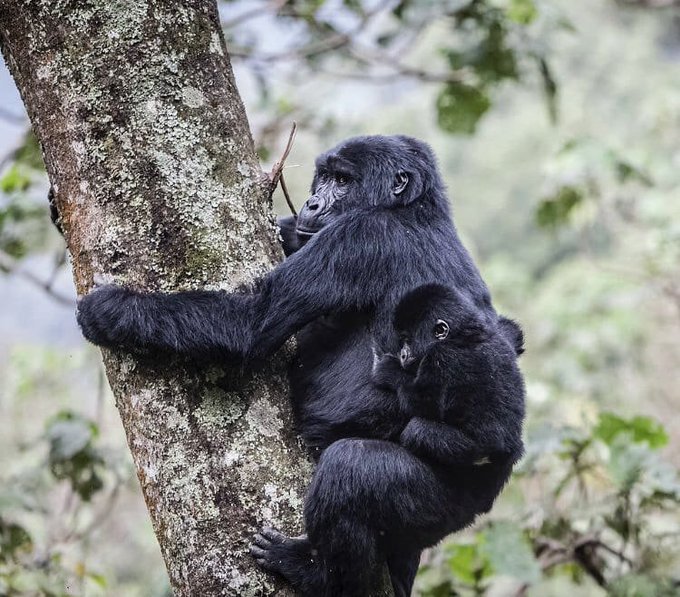
One Day Gorilla Trek from Kigali to Volcanoes. A one day gorilla trek from Kigali to Volcanoes National Park is possible, and it is one of the reasons Rwanda has become such a popular gorilla destination. You leave the capital before sunrise, drive north to the park headquarters at Kinigi, trek into the forest, spend up to one hour with a habituated mountain gorilla family and drive back to Kigali the same day. There is no overnight stay, no border crossing and no need to give up a whole week of your holiday.
The idea works because of geography. A Volcanoes National Park travel guide puts the park about 104 to 105 kilometres from Kigali, whether you start from the city centre or the airport, and estimates the drive at two to three hours by 4×4. The same guide notes that, because of this proximity, visitors can track gorillas and return to Kigali on the same day. You can read the details in its getting there guide.
Who the One Day Trek Is Designed For
The day trip suits travellers with limited time: business visitors between meetings, conference delegates, people on a short regional itinerary and residents of Kigali who want to see gorillas without planning an overnight stay. It also suits travellers who prefer to keep accommodation costs low. It is less suitable for anyone who dislikes early starts or long car journeys, because the schedule is demanding. If that describes you, our 2 days Rwanda gorilla trekking tour adds a night near the park and removes the pre-dawn rush.
At Rwanda Gorilla Trekking Tours we organise the 1 day Rwanda gorilla trekking option with a private vehicle and an experienced driver-guide, and we also arrange longer Rwanda gorilla trekking tours for travellers who want to add more of the country.
What This Guide Covers
This guide follows the day as you will live it. You will find an hour-by-hour timeline, the trek and the gorilla encounter, the permit price and how to book it, the gorilla families and other attractions in the park, the rules and fitness level, a packing list, seasons, visas, costs and the real limits of a day trip. Where facts come from an official source, such as the Rwanda Development Board (RDB) or Visit Rwanda, we link to them so that you can confirm the latest details. To ask about your dates, use our contact page or start on the home page. Visit Rwanda’s gorilla tracking overview is also a good companion read.
Is a One Day Gorilla Trek from Kigali Really Realistic?
Yes, but it is realistic only when everything runs to schedule, so it helps to look at the numbers before you commit. The trek has a fixed reporting time. Visit Rwanda says visitors gather at the Kinigi headquarters at 7am, where they are briefed and allocated a gorilla family on the day according to fitness level. From there, hikes range from about 30 minutes to four hours, and you may then stay with the gorillas for up to one hour. The same national tourism body notes that Volcanoes National Park is safe and relatively accessible, which is a big reason the day trip works.
The Real Numbers: Distance, Drive Time and Trekking Time
The road between Kigali and the park is about 104 to 105 kilometres, which the park travel guide estimates at two to three hours by 4×4. The guide adds a firm scheduling rule: trekkers who spend the night in Kigali have to begin driving by 5am to reach the headquarters for the 7am briefing. To leave a margin, we suggest a pick-up between 4am and 4:30am. A typical day therefore has about five to six hours of driving, one to five hours of walking and one hour with the gorillas, and it finishes with a late-afternoon or early-evening arrival in Kigali. These figures depend on traffic, weather and which family you are allocated, so the times in this guide are estimates.
One short stop is worth planning. The same guide mentions Nyirangarama, roughly 45 kilometres from Kigali, as a convenient place to have a drink or stretch your legs, and it is a natural breakfast stop on the way north.
Advantages and Trade-offs of a Day Trip
The advantages are clear. You save at least one night of accommodation, you do not need to pack for a multi-day trip and you can fit gorillas into a short stay. The permit price is the same as for a longer trip, so a day trip is the lowest-cost way to see the gorillas once you account for lodging.
The trade-offs are just as real. The day is long and tiring, there is little room for delays, and a slow trek or heavy traffic can leave you arriving in Kigali late. You also miss the atmosphere of the volcano region in the evening and the chance to relax before or after the trek. Do not plan a demanding meeting or an early morning flight for the following day if you can avoid it. If you like the idea of seeing more of the area, add a night with our 2 days Rwanda gorilla trekking tour or spend time in the capital with our Kigali city tour before or after your trek. For the destination itself, see our page on Volcanoes National Park.
Hour-by-Hour Timeline for a One Day Gorilla Trek
Use the table below as a planning guide. The timings are estimates because the road, the weather and the family you are allocated will change them, but the structure stays the same.
| Approximate time | What happens |
|---|---|
| 3:30 to 4:00am | Wake up, dress in layers, eat a light breakfast or take a packed one |
| 4:00 to 4:30am | Pick-up at your hotel or the airport, and departure from Kigali |
| About 5:00am | Comfort stop at Nyirangarama for a hot drink |
| 6:30 to 7:00am | Arrival at the Kinigi headquarters, check-in and tea or coffee |
| 7:00 to 8:00am | Briefing by rangers and allocation to a gorilla family |
| 8:00am onward | Walk to the gorillas, from 30 minutes to about four hours |
| Mid-morning to early afternoon | Up to one hour with the gorillas, then the return walk |
| Early afternoon | Lunch or a packed lunch, and the road journey back begins |
| Late afternoon or evening | Arrival in Kigali, and drop-off at your hotel or the airport |
3:30am to 5am: Wake-Up and Departure from Kigali
The day starts in the dark, so lay out your clothes, boots, passport copy and permit confirmation the night before. Your driver-guide meets you at the hotel with the vehicle ready, and you leave in the early hours when Kigali’s roads are quiet. Most travellers doze in the car for the first stretch. Keep a light jacket and a bottle of water within reach, because the highlands are cool and the air gets colder as the road climbs toward the volcanoes.
5am to 7am: The Road North and the Nyirangarama Stop
As the sky lightens, you drive through terraced hills and small trading centres. Nyirangarama, roughly 45 kilometres from Kigali according to the park travel guide, is a convenient place to stop, use the facilities and buy a hot drink. Then you continue toward Musanze, the main town near the park, which Visit Rwanda says lies at about 1,850 metres above sea level and about 13 kilometres from the Kinigi headquarters. There is no public transport between Musanze and the headquarters, which is one more reason to use a private vehicle on a day trip.
7am: Arrival, Briefing and Family Allocation
At Kinigi you check in, meet your ranger guide and listen to the safety and etiquette briefing. Visit Rwanda explains that gorilla families are allocated on the day according to fitness levels, and that visitors are briefed on protocols and rules. Tell the rangers clearly what you can manage, because a lower-altitude family may suit you better than a higher one after an early start and a long drive. You can also decide about hiring a porter at this point. Have your permit details ready, and if you would like help with these details, read about our team or see the Rwanda gorilla permit page.
The Trek: What the Walk Is Like
After the briefing, your group of no more than eight visitors drives or walks to the trailhead with a ranger guide, while trackers who went ahead report the family’s position. Visit Rwanda’s safari and gorilla tracking itinerary describes tracking time as between 90 minutes and the whole morning depending on the family assigned, while its gorilla tracking page gives a wider range of 30 minutes to four hours. In other words, the effort varies a great deal, and you should be ready for the longer end even if you hope for the shorter one.
Expect a mix of open farmland, bamboo and forest, with mud, nettles and steep sections. The pace is set by the guide and the slowest walker, and there are pauses to drink and catch your breath. A porter can carry your bag and give you a hand on slippery ground, which is a real help on a long day. Keep your voice low as you approach the family, and follow the guide’s instructions when the trackers signal that the gorillas are close.
One Hour With the Gorillas
The hour begins when you reach the family, and it is strictly limited. RDB’s mountain gorilla tracking page asks you to keep seven metres away, keep quiet, avoid sudden movements, skip the flash and stay away if you are sick. Within those rules the encounter is intimate. You may find a silverback sitting among the vegetation, young gorillas climbing and tumbling, or a mother feeding a baby. Photographers should be ready to shoot in dim light and to change position slowly when the guide moves the group.
Most people say that the hour passes quickly. Decide in advance how much of it you will spend behind the camera and how much you will simply watch. Then follow the guide back when the time is up.
Lunch, a Rest and the Drive Back to Kigali
Once you return to the headquarters, you can rest, use the facilities and collect your bag. Many travellers eat a packed lunch or lunch at a restaurant in Musanze, and Visit Rwanda notes that the town has plenty of places to eat and ATMs to withdraw cash. You then face the return drive to Kigali, which takes two to three hours by 4×4, so you should reach the capital in the late afternoon or evening. Sit back and review your photos, because you will be tired and it is easy to sleep on the way.
Managing Your Energy on a Long Day
A one-day trek is a stamina test as much as a wildlife trip. Sleep early the night before, drink water throughout, pack high-energy snacks and eat properly at breakfast. Break in your boots in advance so that blisters do not ruin the day. If you can, avoid alcohol the night before. For more preparation ideas, browse more ideas on our blog.
Gorilla Permit for a One Day Trek: Price and Rules
You cannot enter the gorilla area without a permit, and the permit is the largest single cost of a one day gorilla trek from Kigali. RDB raised the price from US$750 to US$1,500 on 6 May 2017, as recorded in its notice on the increase of gorilla permit tariffs, and said the money supports conservation and the communities around Volcanoes National Park. The share of tourism revenue going to those communities was raised from 5 percent to 10 percent at the same time. Visit Rwanda continues to list US$1,500 per person per day for international visitors, and its overview says only 96 permits are available each day.
RDB’s booking portal shows other categories: foreign residents in Rwanda and African citizens at US$500, and Rwandan and East African citizens at US$200. It also carries a warning that these promotional rates are not applicable from June to October 2026. Check the portal for the date you want, because the category and price that apply are set on the booking screen, not in a blog post. You can view them on the official gorilla tracking page.
How to Book the Permit for a Day Trip
You can book directly with RDB or ask a tour operator to reserve it for you. The direct system is first-come, first-served: you choose an available slot, complete the forms, upload documents and pay, after which a tourist permit is issued. A permit guide on volcanoesnationalpark.org says operators usually arrange permits at no extra cost beyond transfer or card charges, and recommends booking at least six months ahead, since popular dates sometimes sell out about a month ahead. Read its permit booking advice to see how the process works.
For a day trip, the permit date decides everything else. Once the permit is confirmed, we book the vehicle and the pick-up time around it. Send your travel dates, the number of trekkers and passport names through our Rwanda gorilla permit page or our contact page, and we will check availability with you.
Discounts and Group Options
The 2017 RDB announcement listed a 30 percent discount for visitors who spend three or more days in other national parks such as Nyungwe and Akagera in addition to gorilla trekking, and a 15 percent discount for conference visitors before or after their event. It also introduced an option to book a whole gorilla family for US$15,000. These terms may have changed, so confirm them with RDB before you plan around them. A day trip alone will not meet the three-day condition, but if you extend your stay, our pages on Nyungwe National Park and Akagera National Park show longer options.
Where You Are Going: Volcanoes National Park
Volcanoes National Park protects the Rwandan slice of the Virunga Massif, a chain of volcanic mountains that Rwanda shares with Uganda and the Democratic Republic of Congo. Visit Rwanda’s park profile lists five dormant volcanoes here: Karisimbi, the highest at 4,507 metres, Bisoke, Sabyinyo, Gahinga and Muhabura. It also lists more than 200 bird species, along with hiking, mountain biking and village experiences, and mentions the Musanze caves, the crater lake on Bisoke and the Buhanga Eco-Park.
On a one day trip you will see the park only through the gorilla trek, but the scenery on the road and in the forest is memorable. If you would like to see more of it another time, use our own Volcanoes National Park page for ideas about longer stays.
The Gorilla Families of Rwanda
According to Visit Rwanda, twelve gorilla families are fully habituated for visitors: Susa, Igisha, Karisimbi, Sabyinyo, Amahoro, Agashya, Kwitonda, Umubano, Hirwa, Bwenge, Ugyenda and Muhoza. Each family has at least one silverback, several females and youngsters. With a daily limit of 96 permits and a maximum of eight visitors per group, each family receives one small group a day, which keeps disturbance low. Rangers decide who goes to which family after the morning briefing, so on a day trip you should be ready for any of them.
Dian Fossey and the Science Behind Your Visit
Much of what we know about mountain gorillas comes from the Karisoke Research Center, founded by Dian Fossey on 24 September 1967. The Dian Fossey Gorilla Fund’s Karisoke page explains that the name combines Mount Karisimbi and Mount Bisoke, that the work includes removing snares and preventing poaching, and that its trackers protect about half of Rwanda’s mountain gorilla families every day. Your permit fee helps sustain that wider conservation effort, which is why the encounter feels different from a normal wildlife drive. If the history draws you in, the Dian Fossey hike is a good reason to come back for a longer stay.
Golden Monkeys: A Second Primate Experience
Golden monkeys are found almost exclusively in this park and live in troupes of up to 30 individuals. RDB’s golden monkey tracking page lists a US$100 permit for foreign adults, a minimum age of 12, a maximum of sixteen visitors and a 7am report time. Because the report time matches the gorilla trek, you cannot do both on the same morning, so golden monkeys are for another day. Our golden monkey tracking in Rwanda page shows how to add them to a longer trip.
Rules, Age Limit and Health Requirements
The basic rules are the same for every visitor. You must be at least 15 years old, groups are limited to eight people, and you may spend one hour with the gorillas. A guide to the gorilla trekking rules in Rwanda states that you must keep at least seven metres away, avoid sudden movements, never touch or run from the animals, keep your voice low and stay together as a group. It also lists no eating, drinking or smoking near the gorillas, no flash photography and no litter, and it asks visitors to turn their heads away when they cough or sneeze.
The most important rule for day trippers concerns illness. RDB’s official page states that if you have a cold, flu or another contagious illness you should not visit the gorillas. A long early start makes it tempting to push on when you feel slightly unwell, but if you are sick the correct decision is to tell your guide and stay away from the gorillas, since gorillas can catch human infections.
How Fit Do You Need to Be for a Day Trek?
There is no test, but a day trek asks more of your body than a relaxed multi-day trip because you begin tired. Visit Rwanda reports that hikes range from 30 minutes to four hours and reach altitudes between 2,500 and 4,000 metres. You will walk uphill on uneven, sometimes muddy ground, often in thin air. A reasonable target is to be able to walk for three to four hours with a light pack. Train for a few weeks with hill walks and stairs, and wear the boots you plan to use.
Because the park allocates families by fitness, be clear at the briefing about your ability. If you have limited mobility or a medical condition, discuss it with your doctor beforehand and tell us when you book, so that we can talk through porters and the help that is available. Carry any regular medication with you, and do not rely on being able to buy it in Musanze.
What Are the Chances of Seeing the Gorillas?
Sightings cannot be promised because the gorillas are wild, but the odds are favourable. One trekking guide reports about a 95 percent success rate, and trackers follow each family every day. To improve your own chances, arrive rested, follow the guide’s pace and keep noise low on the approach. If you want a plan with more margin for your energy, compare our Rwanda gorilla trekking tours that include a night near the park.
What to Wear and Pack for a One Day Gorilla Trek
The temperature changes during the day, so dress in layers you can add or remove. Visit Rwanda’s park profile recommends sturdy clothing and solid walking shoes, and says gaiters and a lightweight waterproof are useful in the rain. Wear waterproof hiking boots that you have already worn in, long trousers, a long-sleeved shirt to protect you from nettles, a warm fleece for the pre-dawn drive and a rain jacket. Add a hat, sunglasses and a pair of thin gloves for gripping branches. Neutral colours are less intrusive in the forest than bright ones.
Your Day Trip Daypack
A small waterproof daypack is enough, and it should contain the items you will need through a very long day. Pack drinking water, snacks, a packed lunch, sunscreen, insect repellent, plasters and blister care, wipes and a small towel. A power bank keeps your phone and camera going, and a spare battery and memory card are worth carrying. Keep in mind the rule against eating and drinking near the gorillas, so plan meals for before or after the encounter.
Bring your passport or a copy, your permit confirmation, some cash in small notes for tips and drinks, and any medication you take regularly. If you get carsick on winding roads, take a remedy before the drive and sit in the front. A change of socks and a dry top for the ride back to Kigali are a small luxury that makes the long return far more comfortable. If you hire a porter, they can carry the bag during the trek, so keep only the camera and essentials on your body.
Camera and Photography Tips
The forest is dim, and you will be at least seven metres away, so bring a zoom lens and a camera that copes with low light. Switch off the flash before you leave the headquarters, since flash photography is not allowed. Use a higher ISO and a fast shutter speed, protect the camera from rain in a plastic bag and practise your settings on the drive so that you are ready when you arrive. Above all, put the camera down for a few minutes and simply watch the family. For ideas for your wider trip, browse our Rwanda safari tours page.
Best Time for a One Day Gorilla Trek
Dry weather makes a day trip easier because the trails are less muddy and the walk is less tiring. A seasons guide on volcanoesnationalpark.org lists June to September as the long dry season and December to February as the short dry season, with rain from March to May and again from October to November. It says March and April are the wettest months and reminds visitors that rain can fall at any time of day, so waterproofs belong in your bag in any month. You can read the details on its best time to go gorilla trekking page.
On a day trip, weather also affects your return journey, because a slow trek followed by heavy rain on the road can delay your arrival in Kigali. If you travel in the wet months, add extra time to your plans for the evening and do not schedule anything important straight after the trek.
Visa and Entry Basics
According to Visit Rwanda’s immigration and visas page, citizens of all countries can get a visa on arrival without applying in advance. Members of the African Union, the Commonwealth and La Francophonie receive a free visa on arrival for a 30-day visit, and East African Community citizens can stay visa-free for up to six months. For other nationalities the same page says fees must not exceed US$50 for a single entry visa. The official visa on arrival page of Rwanda’s immigration service is the place to confirm the latest rule for your passport. If you are crossing by land from a neighbouring country, arrive in Kigali at least a day before your trek so that a border delay cannot cost you the permit.
Cost of a One Day Gorilla Trek from Kigali
The cost is mostly the permit plus transport for a long day. For international visitors the permit is US$1,500 per person, subject to the RDB conditions above. The rest of the price depends on the vehicle, the number of people sharing it and the meals you choose. The table shows how a typical day-trip quote is structured, and your own quotation will state exactly what is included.
| Item | Usually covered in the tour price | Usually extra |
|---|---|---|
| Gorilla permit | Yes, when booked through the operator | Not applicable |
| Private 4×4 with driver-guide from Kigali | Yes | Fuel for major detours |
| Breakfast or packed lunch | Usually | Restaurant drinks |
| Porter | Sometimes | Tips |
| Visa, flights and insurance | No | Yes |
| Personal spending and tips | No | Yes |
Because there is no accommodation to pay for, the day trip is normally cheaper than a two-day tour, but the permit is the same. Ask for a written quotation from our team via the contact page.
When a Day Trip Is Not the Best Choice
Plan a longer trip if you have a heart or breathing condition, if you are travelling with an older relative, if you have a flight early the next morning, or if you simply prefer a slower pace. A night near the park removes the 5am drive, reduces fatigue and gives you time to enjoy the region, which is why we often suggest our 2 days Rwanda gorilla trekking tour instead.
Longer Alternatives and Combined Trips
If you like the idea of gorillas but not the marathon, look at a longer format. A 3 days Rwanda gorilla safari leaves room for another activity in the park, and a 4 days Rwanda gorilla safari can include a rest day or a visit to another region. Travellers who want to compare countries can read about Uganda gorilla trekking or our Rwanda and Uganda gorilla safaris, which combine both.
Frequently Asked Questions About the One Day Gorilla Trek
Can I Do Gorilla Trekking in Rwanda in One Day?
Yes. A Volcanoes National Park travel guide says the park is close enough to Kigali International Airport that visitors can track gorillas and return to Kigali on the same day. The catch is the schedule: you must start driving by about 5am to reach the 7am briefing.
Should I Arrive in Kigali the Same Morning as My Trek?
We advise against it. Arrive at least the day before, so that a late flight or a border delay cannot cost you a permit that you paid for in advance.
Is a One Day Gorilla Trek Worth It?
For many travellers, yes, as long as they accept a long day. You get the same one-hour encounter, in the same park, with the same guides and rules as a multi-day visitor. If comfort matters more than saving a night, add one and choose a longer trip.
Book Your One Day Gorilla Trek from Kigali
A one day gorilla trek from Kigali to Volcanoes National Park is a demanding but very rewarding way to meet mountain gorillas when time is short. Secure your permit first, prepare your boots and layers, sleep early and let your driver-guide manage the road. To build your plan, browse our blog or send your dates through the contact page, and we will help you decide between a one day, two day or longer itinerary.